Our program helps survivors understand their past treatment and prepare for their long-term health needs.
The Johns Hopkins All Children’s Survivorship Clinic is dedicated to supporting long-term survivors of cancer, brain tumors, blood disorders, and immunodeficiencies who required intensive therapies such as chemotherapy, radiation, bone marrow transplant, and/or gene therapy.
As part of the Cancer & Blood Disorders Institute at Johns Hopkins All Children’s in St. Petersburg, Florida, our clinic, led by pediatric hematology oncology specialist Jennifer Dean, M.D., sees children, adolescent and young adult cancer survivors who are three to five years post-therapy.
Why Choose Johns Hopkins All Children’s
Our multidisciplinary team educates each survivor about their individual health risks, monitors for potential complications, and provides support for physical, emotional, and psychosocial concerns related to prior therapies such as chemotherapy, radiation, stem cell transplant and gene therapy.
While many long-term survivors go on to live healthy lives, some may experience physical or psychological side effects that develop years after treatment. These are known as “late effects” and may increase the risk for chronic health conditions, including but not limited to:
- Obesity
- Heart failure
- Infertility
- Endocrine disorders
- Secondary cancers
- Anxiety and depression
Survivorship Care and Follow-Up
-
The Survivorship Clinic provides long-term support and guidance as survivors move through different stages of life. Care begins with an initial comprehensive visit, followed by annual follow-up visits to monitor late effects and promote lifelong health.
-
Before the first clinic visit, our team takes time to carefully review each survivor’s medical history and treatment. During the first visit the following information will be reviewed with each survivor and their family:
- A detailed summary of diagnosis and treatment received
- Any complications experienced during therapy
- Potential late effects related to treatment
- Recommended screening and surveillance tests
-
Each survivor receives a personalized treatment summary and survivorship care plan. We use Passport for Care, a national pediatric survivorship information portal, to access the most up-to-date Children’s Oncology Group (COG) long-term follow-up guidelines. After the initial visit, patients are given access to Passport for Care, which provides tailored information about potential long-term side effects based on their specific treatment history.
-
Survivors are followed at least annually to monitor for late effects and support overall health and well-being. When needed, we coordinate care with other specialties, including but not limited to:
- Cardiology
- Endocrinology
- Nephrology
- Neurology
- Neuropsychology
- Nutrition
- Oncology
- Psychology
- Orthopaedics
- Primary care
- Social work
By collaborating across specialties, we can provide comprehensive, individualized care and help survivors thrive throughout their lives.
Clinic Locations
-
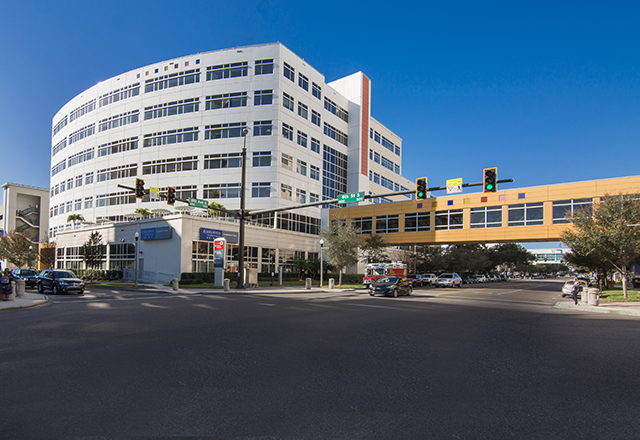
Outpatient Care Center
Johns Hopkins All Children's Hospital 601 5th Street South
St. Petersburg, FL 33701
-