
Car T-Cell Therapy
We were the first certified pediatric center in Florida to offer groundbreaking CAR T-cell therapy for children with acute lymphoblastic leukemia in the Center for Adoptive Cellular Therapy at Johns Hopkins All Children’s.
Children with certain cancers that are resistant to chemotherapy or recur multiple times may benefit from adoptive cellular therapies such as chimeric antigen receptor (CAR) T-cell therapy at the Center for Adoptive Cellular Therapy at Johns Hopkins All Children’s Hospital in St. Petersburg, Florida.
Why Choose Johns Hopkins All Children’s
Johns Hopkins All Children’s was the first certified pediatric center in Florida to offer CAR T-cell therapy. We have performed the most infusions of CAR T-cells in pediatric patients in the state.
The Center for Adoptive Cellular Therapy has been established to improve the health of children with cancer through the clinical application of adoptive cellular therapies, excellent clinical care and translational research. Patients treated with CAR T-cell therapies are monitored closely by our experienced team.
John Hopkins All Children's met nationally established selection criteria by demonstrating expertise in delivering quality specialty care, safely and effectively, and was awarded the Blue Distinction® for Cellular Immunotherapy CAR-T designation.
Learn More About CAR T-cell Therapy
Johns Hopkins All Children’s was the first certified pediatric center in Florida to offer this groundbreaking therapy for children with acute lymphoblastic leukemia.
What Is CAR T-cell Therapy?
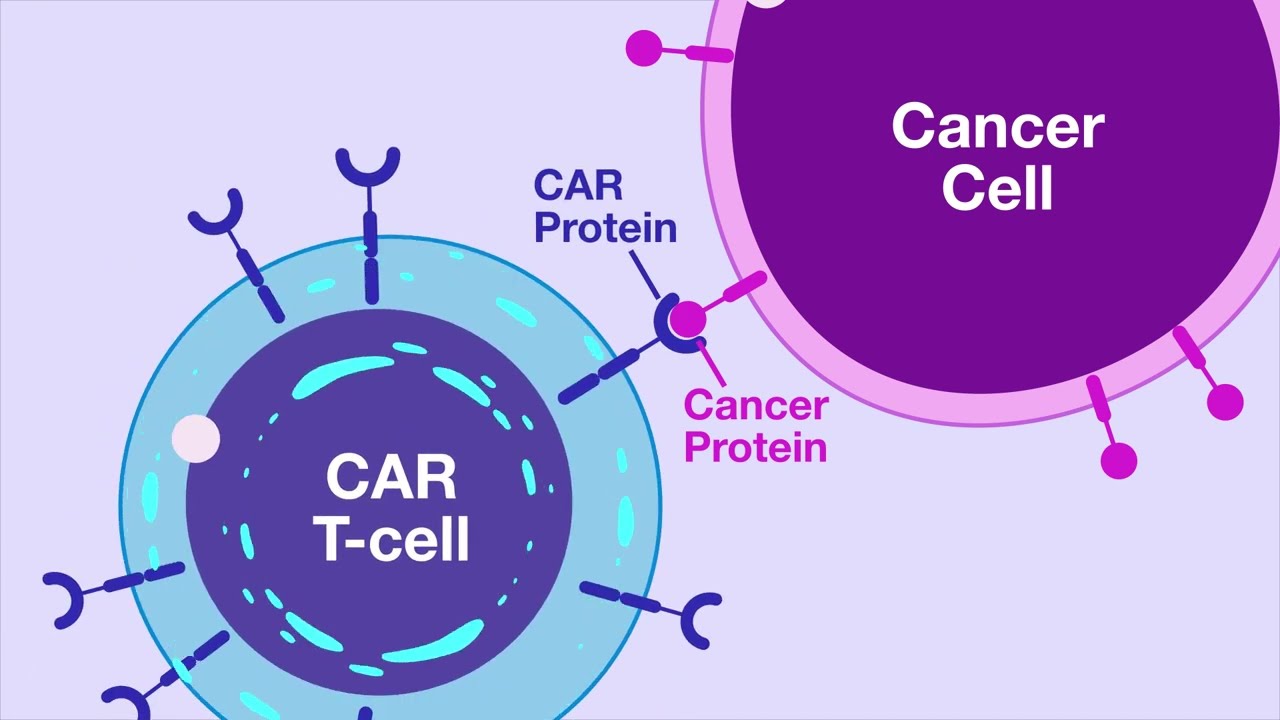
CAR T-cell therapy is a unique and highly personalized treatment that uses the body’s own immune system to fight cancer. This is called immunotherapy.
The immune system contains T-cells, a type of white blood cell that is one of the body’s strongest lines of defense. T-cells are capable of fighting infections and also detecting and eliminating cancerous cells. During CAR T-cell therapy, T-cells are removed from a blood sample, genetically modified to enhance their cancer-fighting abilities, and then added back into the body. Once in the bloodstream, the modified cells attack and destroy cancer cells. CAR T-cell therapy is recognized as a breakthrough in cancer treatment. It can be a lifesaving option for patients for whom chemotherapy has not resulted in a cure.
Who is eligible for CAR T-cell therapy?
At Johns Hopkins All Children’s, patients up to 21 years of age in their second or greater relapse of B-acute lymphoblastic leukemia, or those with disease that is resistant to chemotherapy, are eligible for CAR T-cell therapy.
What to Expect: How CAR T-cell Therapy Works
Receiving CAR T-cell therapy is a multistep process. Your child’s care team will explain it thoroughly, so you know what to expect at each stage. These steps include:
- Your child’s white blood cells are removed from a blood sample in a process called leukapheresis and then sent to a laboratory.
- Scientists separate the T-cells from the rest of the white blood cells and add a gene for a chimeric antigen receptor (CAR) to the T-cells. This transforms them into CAR T-cells. The CAR allows T-cells to recognize and eliminate cancer cells.
- The body requires millions of CAR T-cells to treat cancer. Growing these new cells in the lab takes a few weeks, during which time your child may receive low-dose chemotherapy.
- When the CAR T-cells are ready, your child’s doctor schedules the infusion. A short, typically four-day, course of chemotherapy is used to prepare your child for the CAR T-cell infusion. The CAR T-cells are given back in one dose in a process similar to a blood transfusion.
- The CAR T-cells begin to multiply and target cancer cells. They can remain in the body for months, or even years, seeking out and eliminating any remaining cancer cells.
Possible Side Effects
CAR T-cell therapy is associated with side effects related to the activation of the immune system. Possible side effects from CAR T-cell therapy are generally temporary and include:
- Cytokine release syndrome: CAR T-cells release signals called cytokines that activate the immune system. This can result in side effects including flu-like symptoms, fevers, fatigue and in more severe cases, low blood pressure or difficulty breathing.
- Neurologic toxicity: Patients may experience confusion, difficulty speaking, or stupor, among other symptoms. These symptoms typically resolve.
There are effective therapies to help patients experiencing these side effects including steroids and a cytokine-blocking medicine called tocilizumab. Our team is highly experienced in treating side effects of CAR T-cell therapy.
Research
As a member of Johns Hopkins Medicine, based in Baltimore, we offer access to leading-edge research studies and trials, right here in Florida. We also work with the Children’s Oncology Group and other groups that are working on research to improve patient outcomes. Learn more about our research and clinical trials.
Resources for Families
Child Life specialists: We have Child Life specialists who work with children receiving cancer or blood disorder treatment. They provide support to help make treatment less scary and help patients cope, and education to help your child understand what to expect before, during and after treatment. Learn more.
Housing: There are three Ronald McDonald Houses within walking distance of our hospital. They provide temporary local housing for families who have a child in our care.Learn more.
Social work: Our unit has a dedicated social worker to assist families. They can connect you to organizations that can provide financial and other support. Learn more.
We provide a number of other resources for your child and family. Learn more about what’s available.
These organizations also provide information and resources for families:
- CAR T-cell Therapy and It’s Side Effects: Information from the American Cancer Society
- Chimeric Antigen Receptor (CAR) T-Cell Therapy: Information for patients from The Journal of the American Medical Association