
Research Labs
The Division of Gastroenterology and Hepatology in the Department of Medicine at the Johns Hopkins University School of Medicine has a long history of laboratory and clinical research, teaching and service activities. Our mission is to advance the understanding, diagnosis, treatment and prevention of gastrointestinal and liver disease.
Focused areas of expertise and investigation include early detection of pancreatic cancer, epithelial biology and physiology, endoscopic device development and innovation, third space endoscopy techniques and outcomes, biomarker development for the early detection of GI diseases, inflammatory bowel disease genetics and clinical outcomes, alcohol-associated liver disease clinical and basic research, physiology and homeostasis of metals in the digestive organs, liver transplant-related clinical research, and many others.
The division is known for seminal innovations that convey a steadfast commitment to alleviating the suffering caused by diseases and conditions of the digestive tract and liver. Faculty in the division have active research funding totaling more than $11.5 million annually.
Basic and Translational Research Labs
GI Biomarkers Laboratory

Janet Staab Lab
Jennifer Foulke-Abel Lab
James Hamilton Lab
Amy Kim Lab

Ashish Nimgoankar Lab
Cynthia Sears Laboratory

Michael Goggins Lab

Florin Selaru Lab
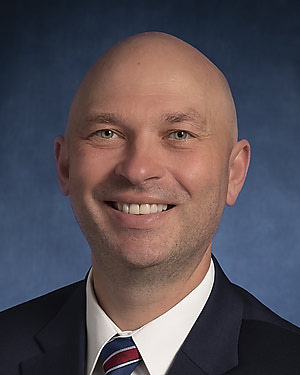
Joanna Melia Lab
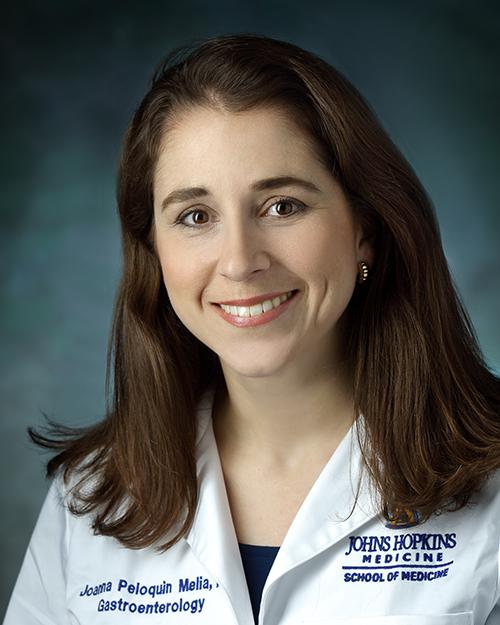
Ken Hui Lab

Laboratory for Endoscopy Advancement and Device Development
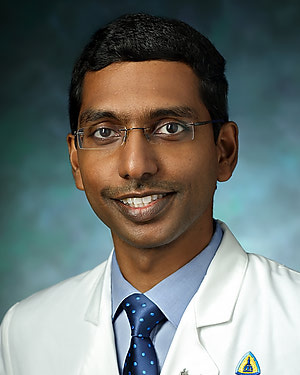
Liudmila Cebotaru Lab

Principal Investigator
Department
Mahya Faghih Lab
Shaoyong Yu Lab

Svetlana Lutsenko Laboratory

Varsha Singh
Department
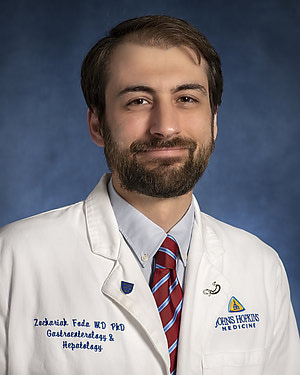
Zachariah Foda Lab
Johns Hopkins Center for Gastrointestinal Epithelial Disorders
The Johns Hopkins Center for Epithelial Disorders focuses on research into the physiology and pathophysiology of epithelial cells of the gastrointestinal (GI) tract, liver, pancreas and kidney. Specifically, the center’s research seeks to:
- Understand the mechanisms regulating the activity of transport proteins (including channels) of epithelial cells
- Characterize the mechanisms by which polarity of epithelial cells are maintained
- Investigate the mechanisms controlling transcription of epithelial-specific genes
- Understand the pathophysiological basis of GI and renal diseases that involve the preceding three components
- The center also provides a framework for training fellows in gastroenterology and hepatology to become independent investigators.
New translational research directions in the center utilize human intestinal organoids to model epithelial dysfunction and develop therapeutic strategies for chronic GI diseases:
- Cystic Fibrosis (CF): Patient-derived organoids are used to study residual secretory capacity and identify new therapeutic approaches for CF-related constipation, beyond current laxative-based care.
- Type 1 Diabetes (T1D): Organoid models help uncover epithelial mechanisms driving diabetic enteropathy and guide strategies to restore intestinal fluid balance in affected patients.
- Ulcerative Colitis (UC): Colonoid and immune cell co-culture models are used to investigate mucus barrier dysfunction and support the development of therapies targeting epithelial–immune interactions.
- Epithelial Homeostasis: Studies focus on epithelial polarity and signaling pathways such as endosomal trafficking and metabolic regulation, with implications for multiple GI diseases.
- Ion Transport and Diarrheal Diseases: Ongoing studies explore the regulation of sodium and chloride transporters in the intestinal epithelium and their role in fluid balance, with the goal of
identifying new therapeutic targets for diarrheal disorders.
- Obesity: Patient-derived organoids have been used to identify dysregulated nutrient absorption and altered chromatin accessibility in obesity, suggesting a stem cell-imprinted epigenetic origin for weight loss resistance that is the focus of current studies.
- Metabolic-associated steatotic liver disease (MASLD): Studies evaluate intestine-liver crosstalk via extracellular vesicles released by intestinal organoid monolayers (containing microRNAs and other cargo) that may communicate with hepatocytes via portal circulation to propagate development of obesity-associated MASLD.
Principal Investigators: Jennifer Foulke-Abel, PhD and Varsh Singh, PhD
Emeritus Principal Investigator: Mark Donowitz, MD
Additional Faculty: Anthony Guerrerio, MD, PhD (Pediatrics); Janet Staab, PhD; Florin Selaru, MD; Joanna Melia, MD; David Muniz-Pedrogo, MD; Amy Kim, MD; Gerri Keane, M.B.B.Ch, Nicholas Zachos, PhD (Vanderbilt).
Department: Medicine
Clinical Research Programs
-
Dr. Strauss and her team performs clinical research at the intersection of liver disease, health systems engineering, and access to care. By utilizing data science and artificial intelligence, the lab is focused on improving care delivery, in particular related to the process of evaluation of liver transplant candidates.
PI: Aly T. Strauss, MD, Ph.D, MIE
Department: Medicine and Malone Center for Engineering in Health Care -
Dr. Gurakar is the Medical Director of the Liver Transplant program and performs clinical research on multiple aspects of the evaluation and outcome of patients receiving liver transplants. In collaboration with our surgical colleagues, his work is particularly focused on evaluation of patients needing liver transplantation for severe acute alcohol associated liver disease.
Principal Investigator: Ahmet Gurakar, M.D.
Departments: Medicine and Surgery -
Dr. Muniz Pedrogo is the Director of the Inflammatory Bowel Disease clinical trial unit at Hopkins and performs clinical research on IBD including studies on mucosal immunology to predict response to certain medications as well as industry sponsored clinical trials.
Principal Investigator: David Muniz-Pedrogo, M.D.
Department: Medicine -
Dr. Chen and his team conducts research that focuses on the intersections between substance use disorder, alcohol-associated and other steatotic liver diseases, and liver transplantation. We apply epidemiologic, causal inference, qualitative, and mixed methods research methodologies to tackle impactful inquiries at the clinical (T2), implementation (T3), and population health (T4) phases of the translational science spectrum. Our many collaborators include faculty members from Gastroenterology and Hepatology, Surgery, Psychiatry and Behavioral Sciences, Infectious Diseases, General Internal Medicine, Epidemiology, Health Policy and Management, and the Berman Institute of Bioethics.
PI: Po-Hung (Victor) Chen, MD, PhD
Department: Medicine -
Dr. Mullin studies the impact of malnutrition on health-economic outcomes in the hospital setting. In particular, he investigates how having an imbalanced gut microbiome may prevent weight loss in certain people. Additional areas of research include the use of nutraceuticals and over the counter supplements and their effect on GI heath and disease.
Principal Investigator: Gerard Mullin, M.D., M.S.
Department: Medicine -
Dr. Keane is an advanced endoscopist specializing in bariatric procedures. She performs clinical research into outcomes of patients after these procedures, as well as industry sponsored trials investigating the utility of novel devices. She is also the lead investigator at Sibley Memorial Hospital for the early detection of our pancreatic cancer research program
Principal Investigator: Geri Keane, M.B.B.S., M.S.C
Department: Medicine -
Dr. Afghani is a critical member of the Pancreas center at Johns Hopkins and her team performs clinical research on pancreatic cysts, pancreatic auto islet transplants, pancreatic cancer, and pancreatitis. Dr. Afghani’s research is in part supported by the IPMN global foundation
Principal Investigator: Elham Afghani, M.D., M.P.H.
Department: Medicine -
Dr. Canto’s research interests in include pancreatic neoplasms, Barrett’s esophagus and endomicroscopy. We are also interested in the use of endoscopic ultrasound to identify early-stage pancreatic cancer and its precursors. Dr. Canto is a key scientific and clinical contributor to ongoing studies in the Early Detection of Pancreatic Cancer Laboratory.
Principal Investigator: https://profiles.hopkinsmedicine.org/provider/mimi-canto/2705659
Department: Medicine -
Dr. Abdi is the Director of the High Resolution Anoscopy and Anal Dysplasia Center which focuses on clinical and translational research in HPV-related malignancy. The lab studies early detection methods and novel treatments for anal pre-cancer in women and immunocompromised groups, including HIV and solid organ transplant.
Principal Investigator: Maaza Abdi, M.D.
Department: Medicine -
Dr. Lazarev performs clinical research on Inflammatory Bowel Disease including studies on longitudinal outcomes as well as industry sponsored clinical trials.
Principal Investigator: Mark Lazarev, M.D.
Department: Medicine -
Dr. Sulkowski’s research focuses on hepatitis B and hepatitis C. We’ve conducted clinical research related to the management of viral hepatitis, including novel agents. Other studies focus on adult patients at the Johns Hopkins site of the National Institute of Diabetes and Digestive and Kidney Diseases (NIDDK) Hepatitis B Clinical Research Network as well as the National Institute of Allergy and Infectious Diseases Adult AIDS Clinical Trials Group.
Principal Investigator: Mark Sulkowski, M.D.
Department: Medicine -
Dr. Khashab and his team performs clinical research on spasmatic esophageal disorders and endoscopic myotomy. He is the director of the Johns Hopkins Third Space Endoscopy program and is an international expert in the performance advanced endoscopic procedures, and research related to their outcomes.
Principal Investigator: Mouen Khashab, M.D.
Department: Medicine -
Dr. Lammi is an esophageal motility expert and performs clinical research on patients with esophageal motility disorders. Much of her work is using the endoFLIP device measuring the competency of the lower esophageal sphincter in patients undergoing lung transplant evaluation.
Principal Investigator: Monik Lammi, M.D.
Department: Medicine -
Dr. Chowdhury performs clinical research on Inflammatory Bowel Disorder and colorectal cancer. Her particular research interest is on the use of intestinal ultrasound and industry sponsored clinical trials in the management of IBD.
Principal Investigator: Reezwana Chowdhury, M.D.
Department: Medicine -
Dr. Bulat performs clinical research on gastroparesis and other motility disorders, and is a member of several national and international consortiums focused on gastroparesis research.
Principal Investigator: Robert Bulat, M.D., Ph.D., M.Sc. -
Dr. Ngamruengphong’s research focuses on artificial intelligence methods for diagnosing and managing gastrointestinal conditions, including premalignant and malignant lesions of the gastrointestinal tract, esophageal cancer, colon polyps, and biliary and pancreatic disease. She also develops new techniques for advanced GI procedures. Recent work includes investigating a novel hybrid technique for closure of refractory gastrocutaneous fistula. We also conducted an international multicenter study that compared endoscopic ultrasound-guided pancreatic duct drainage with enteroscopy-assisted endoscopic retrograde pancreatography following Whipple surgery.
Principal Investigator: Saowanee Ngamruengphong, M.D.
Department: Medicine -
Dr. Brewer is the Director of our GI section at Sibley Memorial hospital and performs clinical and outcomes research on patients with esophageal motility disorders, in particular those who have undergone transoral incisionless fundoplication (TIF) and gastroesophageal reflux disease.
Principal Investigator: Olaya Brewer Guiterrez, M.B.B.S.
Department: Medicine -
Dr. Woreta’s research program is focused on clinical and translational research of metabolic dysfunction associated steatotic liver disease (MASLD) including ongoing studies on people living with HIV and collaborations with obesity medicine specialists in our Healthy Eating Activity and Weight Loss Program.
Principal Investigator: Tinsay Woreta, M.D., M.P.H
Department: Medicine -
Dr. Abdi is an esophageal motility specialist who performs clinical research on Scleroderma and how it effects the GI tract.
Principal Investigator: Tsion Abdi, M.D., M.P.H
Department: Medicine
-
Dr. Singh is the Director and founder of the Johns Hopkins Pancreas Center which is one of the few tertiary care centers in the U.S. focused exclusively on benign pancreatic disorders. He performs clinical and translational research on pancreatic islet isolation and transplantation as well as acute and chronic pancreatitis. The center maintains an extensive portfolio of active and foundation-funded research. Dr. Singh is PI or site PI on several NIH- and industry-sponsored grants and he performs clinical and translational research on pancreatic islet isolation and transplantation as well as acute and chronic pancreatitis.
Principal Investigator: Vikesh Singh, M.D., M.Sc.
Department: Medicine -
Dr. Dutta and his research team are dedicated to studying intestinal microbiota, and its role in human health and disease. Specifically, they are examining the interactions of bacteria, fungi, and viruses in human intestinal Microbiome in healthy human subjects, and in patients with recurrent Clostridium difficile infection. Plans are being made to study the effect of fecal microbiota transplantation (FMT) in patients with Parkinson’s disease
Principal Investigator: Sudhir Dutta, MD
Core Laboratories of the GI Division
James J. Potter Gastroenterology and Hepatology Translational Enhancement Core and Biorepository
This core laboratory supported by the GI division provides assistance with biospecimen collection, processing, and storage. It provides access to over 100,000 biospecimens with annotated clinical data that can be used for translational research. The lab uses state of the art barcoding for ease of specimen retrieval and has 8, -80C freezers, 1 ultra-low temperature freezer (-196 C), several -20C freezers, and 24hour monitoring.
- Manager: Joseph Passero, B.S.
- Director: James Hamilton, M.D.
- Department: Medicine
GI Animal Research laboratory
This is a fully equipped lab allowing large as well as small animal surgery and endoscopy. The animal lab has 1 surgery rooms, and is fully equipped with endoscopic equipment, including upper endoscopes (Pentax and Olympus),colonoscopes (Pentax)and therapeutic scopes (Pentax). In addition, the animal lab has anesthesia machines and ventilators as well as a C arm for radiologic studies.
- Director: Florin Selaru, M.D.
- Department: Medicine
Ross 9 Gastroenterology Microscopy Core
The Ross imaging core dedicated to providing state-of-art microscopy technology to the members of the Johns Hopkins GI division and the general Hopkins scientific community.
Current scopes include: Olympus FV3000RS confocal, Olympus IX83 widefield inverted "FISHscope,” Keyence BZ-X710 (fluorescence/LED + cubes), and a Zeiss AxioObserver inverted epifluorescence microscope with Olympus camera.
- Manager: Joseph Passero, B.S.
- Co-Directors: Jennifer Foulke-Abel, Ph.D. and Varsha Singh, Ph.D.
- Department: Medicine
Clinical and Translational Research Unit (CTRU) in Gastroenterology & Hepatology
The Clinical and Translational Research Unit (CTRU) promotes and enhances innovative, clinically- relevant, high-quality clinical and translational research in the Division of Gastroenterology and Hepatology and provides extensive resources and skilled personnel to support all research activities including protocol design, regulatory support, budget development, study conduct, patient recruitment, data management, and biostatistical consultations.
Research staff members in the CTRU include research coordinators, post-doctoral fellows and other support personnel. Each coordinator manages between 1-4 studies from research registries to multi-center IND/IDE randomized controlled clinical trials with recruitment across multiple campuses (JHH – East Baltimore, JH Bayview Medical Center, JH ASC and Clinic at Green Spring Station and White Marsh, JH GI at Knoll North in Howard County, MD and Sibley Memorial Hospital in Washington DC). Dedicated research exam rooms are available at some locations. Lab spaces in the Ross Building and Bond Street Annex are equipped with centrifuge, microscope, freezers, tissue culture and fume hoods and other common lab instruments and supplies. Storage facilities are located in the Blalock building with restricted access for study kits and documents.
The CTRU works collaboratively with the GI Biorepository which follows best practices for sample collection, processing, tracking and storage using the OpenSpecimen Lab Information Management System. All freezers and LN2 tanks are equipped with 24/7 continuous remote temperature monitoring systems to ensure sample integrity.
- Manager: Lisa Datta, Ph.D.
- Directors: Marcia Canto, M.D., M.P.H. and Aly Strauss, M.D., Ph.D, M.I.E.