
Johns Hopkins Medicine Alumni Association
The Johns Hopkins Medicine Alumni Association (JHM Alumni Association) is the organization of Johns Hopkins Medicine alumni inclusive of all degree holders, and former trainees, fellows and faculty.
The JHM Alumni Association Mission
Organize
Improve Quality of Life
Disseminate Information
How does the JHM Alumni Association achieve its mission?
The Johns Hopkins Medicine Alumni Association organizes the annual meeting on the East Baltimore Campus. During the meeting, the council shares updates on various initiatives and programs, and conducts an election.
The Association provides: stethoscopes and white coats to first-year medical students, white coats to graduate students; scholarship funding for the School of Medicine; grant funding for projects led by students, house staff, and fellows; and financial support to the House Staff Council, the Graduate Student Association, the Johns Hopkins Clinical Fellows Council, the Medical Student Senate, and the Office of Cultural Affairs.
The Johns Hopkins Alumni Association provides financial support and contributes articles, obituaries and class notes to Hopkins Medicine Magazine.
JHM Alumni Association Programs
-
The Johns Hopkins Medicine Alumni Association contributes to funding several medical student scholarships. The Association also enriches the lives of medical students by funding a variety of programs and activities, including grants for student-led initiatives.
The Johns Hopkins Medicine Alumni Association also supports the Medical Student Senate (MSS) by sponsoring initiatives and providing support for programs such as the Stethoscope & White Coat Ceremony and Match Day.
-
School of Medicine graduate students pursue unique paths to a range of advanced degrees. The Johns Hopkins Graduate Student Association (GSA) unites these diverse students and represents their opinions and ideals to the faculty and administration. It also provides support to students such as funding travel to conferences, and organizing social, educational and career-oriented activities.
The Johns Hopkins Medicine Alumni Association helps to support the GSA by co-sponsoring activities and connecting the GSA to alumni.
-
The Johns Hopkins House Staff Council gives house staff a voice in forging hospital policies that affect patient care, the community and the house staff itself, such as the efficient use of their time and salary and benefit planning. They also represent the house staff in broader issues concerning their working conditions and well-being.
The Johns Hopkins Medicine Alumni Association has helped offset the costs of council initiatives including public service projects, supporting house staff families through the Medical Auxiliary and child care scholarships, and funding the house staff lounge and social events.
-
Published three times a year, Hopkins Medicine—the award-winning magazine for all members of the School of Medicine family—is read by 32,000 people throughout the world. The magazine brings readers face to face with the people, issues and events that shape one of the world’s leading medical institutions. Included are robust articles about treatment advances and medical research, as well as campus issues and highlights from Hopkins’ rich history.
Since 1976, the Johns Hopkins Medicine Alumni Association has financially supported Hopkins Medicine, providing as much as one-third of its production costs. Today, every member of Johns Hopkins Medicine Alumni Association receives the magazine free of charge.
-
The Johns Hopkins Medicine Alumni Association (JHMAA) invites students and trainees to apply for grants to support projects that address the needs of the School of Medicine community, including educational needs, activities, experiences, community service, health and well-being. Groups may request up to $1,500 in funding to support their projects. Examples of previously funded projects can be found in the FY26 JHMAA and Office of Alumni Relations Annual Report.
Timeline for Submitting Grant Applications- Application Form Opens – August 1, 2025
- Application Form Closes – October 15, 2025
- Student or Trainee Groups Notified of Decisions By – Early January 2026
- Funds Distributed to Groups By – January 31, 2026
-
The Johns Hopkins Medicine Alumni Association sponsors five Young Investigator Awards annually, honoring the scientific accomplishments of a class of junior researchers. Awards are presented at Young Investigators’ Day.
-
The Johns Hopkins Medicine Alumni Association co-hosts Reunion and Alumni Weekend with the School of Medicine. The weekend-long event provides a memorable opportunity to reconnect with fellow alumni and friends, discover groundbreaking work being done on campus today, and celebrate the Johns Hopkins School of Medicine.
Councilors
-

Dr. Yeager is Emeritus Professor of Medicine and Pediatrics at the University of Arizona College of Medicine and its Cancer Center and is Director Emeritus of its Blood and Marrow Transplantation Program. His clinical and research career focused on hematopoietic stem cell transplantation (HSCT; transplantation of bone marrow, peripheral blood stem cells, or cord blood) for hematologic malignancies and non-malignant diseases. He is the author of more than 200 research publications and has served on numerous biomedical journal editorial boards and study sections for the National Institutes of Health. For more than 25 years, Dr. Yeager was a Judge and then Chair of the Judging Committee for the Intel (formerly Westinghouse, now Regeneron) Science Talent Search, the premier and most prestigious science research competition for high school seniors in the United States.
He and his wife, Marty Johnson Yeager (Bloomberg MPH, ‘91), live in The Plains, Virginia.
-
Xin (Linda) Zhou, MD, earned her undergraduate degree from Johns Hopkins University in 2011 and her medical degree from the Johns Hopkins School of Medicine in 2015. She completed her Internal Medicine internship in 2016 and her Neurology residency in 2019 at the Hospital of the University of Pennsylvania. She then pursued a fellowship in Neurocritical Care at Massachusetts General Hospital and Brigham and Women’s Hospital, which she completed in 2021.
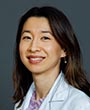
Board-certified in both Neurology and Neurocritical Care, Dr. Zhou then joined the faculty at Temple University Hospital in 2021 as an Assistant Professor of Neurology. Her academic interests include quality improvement, patient safety, and medical education. At Temple, she serves as the NeuroICU Clerkship Director and Chair of the Phase 3 Subcommittee. She is also a member of the American Academy of Neurology’s Quality Measures Subcommittee.
Grateful for the role Johns Hopkins played in her personal and professional growth, Dr. Zhou is honored to give back and serve on the Johns Hopkins Medicine Alumni Association Council.
-
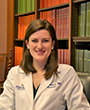
Dr. Harris is a native of Connecticut who earned her B.A. degree in Religion from Washington and Lee University before embarking on her medical career at the Johns Hopkins University School of Medicine where she was inducted into the Alpha Omega Alpha Honor Society. As a Brady resident, she earned awards as General Surgical Intern of the Year and the Miller Coulson Award for Clinical Excellence as Chief Resident.
Dr. Harris’ clinical and research interests center around improving the care of patients with complex genitourinary congenital anomalies such as exstrophy/epispadias, anorectal anomalies, differences in sex development, and neurogenic bladder. She is particularly passionate about being able to provide care for the patient and family from prenatal diagnosis into adulthood. Her research focuses on optimizing transition of care from pediatric to adult healthcare systems for these populations through the use of both quantitative and qualitative methodologies. Her clinical scholarship thus far has led to over 30 publications, numerous international and national conference presentations, and multiple book chapters. In addition, she has internal grant funding to support her research endeavors.
Outside of the hospital, she enjoys crossword puzzles, reading non-fiction, playing pickleball, and spending time near the water and in the mountains. Deeply appreciative of the training and mentorship she received, Dr. Harris is grateful for the opportunity to give back to the Johns Hopkins community. -
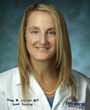 Dr. Dawn LaPorte is a Professor and Vice Chair for Education in the Department of Orthopedic Surgery at the Johns Hopkins University School of Medicine. Her clinical interests are surgery of the hand and wrist. She has served as orthopaedic Residency Program Director at Johns Hopkins for over 10 years and has served on the governing committee of the Council of Orthopedic Residency Directors (CORD) and as Vice Chair for the ACGME Orthopaedic Surgery Residency Review Committee. She is a member of the American Society of Surgery for the Hand (ASSH) Council and has also served as co-chair of the Resident Educator Workshop at the ASSH Annual Meeting since 2007 and as chair of the ASSH Resident Education Committee and the ASSH Resident Review Course. She is the Review Section editor for the Journal of Hand Surgery American. She is also the Immediate Past President of the Ruth Jackson Orthopaedic Society and is a founder of Women in Orthopaedics Worldwide (WOW).
-
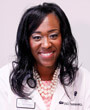
Dr. Thompson, Chief Medical Officer of Humana Healthy Horizons and CEO of Dr. Traci’s House, is a highly accomplished and seasoned healthcare executive who has extensive experience in using her clinical expertise to meet healthcare challenges.
Dr. Thompson was educated at Georgetown University, the Johns Hopkins University School of Medicine, and Howard University. Following her graduation from medical school at the Johns Hopkins University School of Medicine, Dr. Thompson completed her residency program in internal medicine at Johns Hopkins Hospital. Throughout her career, Dr. Thompson has shown strength in managing complex clinical operations and healthcare leadership responsibilities. She has served in leadership roles for healthcare organizations, including as the Program Medical Director for Cogent HMG, Hospital Medicine Program Director for Team Health, Locum Tenens Hospitalist for Weatherby Healthcare, and Chief Medical Director of Medical Management at WellCare Health Plans. In 2020, dedicated to being a community advocate and providing resources to social determinants of health, Dr. Thompson began Dr. Traci’s House—a 501c(3) non-profit organization whose mission is to improve the health, wellness and sustainability of communities through holistic healthcare services, advanced career opportunities and comprehensive community development. Dr. Thompson currently serves as her Johns Hopkins University School of Medicine class representative and is grateful for the opportunity to serve the alumni association’s mission.
-

Sherri-Gae Scott is Director of Innovation at the American Gastroenterological Association (AGA), where she leads initiatives that advance innovation across the gastroenterology and digestive health ecosystem. Her work focuses on connecting clinicians, researchers, entrepreneurs, startups, investors, and industry partners to accelerate the development and adoption of emerging healthcare technologies, including medical devices, diagnostics, digital health solutions, and artificial intelligence in GI.
At AGA, Dr. Scott leads programs that foster collaboration and entrepreneurship in GI, including the AGA Tech Summit, Innovation Fellows Program, Shark Tank Pitch Competition, GI Opportunity [Investment] Fund, Innovation Member Network and AGA Incubator. Through these initiatives and the work of the AGA Committee for GI Innovation and Technology, she helps create opportunities for innovators to connect, develop new ideas, and bring promising solutions closer to clinical practice.
Dr. Scott earned her Ph.D. from the Johns Hopkins University School of Medicine in Cellular and Molecular Medicine and completed a postdoctoral fellowship in Gastroenterology. Following her fellowship, she served as an adjunct faculty instructor at Anne Arundel Community College and as the grants proposal manager at the Federation of American Societies for Experimental Biology (FASEB). She is a certified Project Management Professional (PMP®) and has earned the SHRM People Manager Qualification (PMQ).
Grateful for the scientific and leadership training, mentorship, and professional community she found at Johns Hopkins, Dr. Scott is honored to serve on the Johns Hopkins Medicine Alumni Association Council and remains committed to strengthening connections across the Johns Hopkins community. -
Zubin Khan is a innovative and visionary leader in public health informatics, with a global track record of advancing data-driven strategies to strengthen public health systems. He has led transformative initiatives with the CDC, USAID, Utah Department of Health, the Henry M. Jackson Foundation for the Advancement of Military Medicine, and India’s National Institute of Virology—bridging policy, technology, and strategy to drive impact and inform decision-making at all levels.
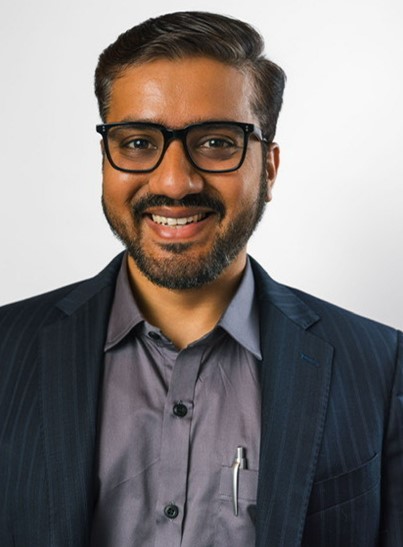
He currently serves as the Senior Health Informaticist and Data Modernization Lead at the Salt Lake County Health Department, where he leads cross-sector innovation to modernize infrastructure, enhance interoperability, and embed equity into data systems across the State of Utah public health system.
A passionate advocate for global health and mentorship, Zubin is the Co-Director of MentorNet for the Canadian Association for Global Health (CAGH) and the former Chair of the Student Working Group at the American Medical Informatics Association (AMIA).
A proud alumnus of the Johns Hopkins University School of Medicine, Zubin holds a master’s degree in Health Sciences Informatics Research and remains dedicated to advancing resilient, innovative, and equitable public health systems worldwide.
-
Dr. Dong Shen is an innovative biotechnology executive and a leading expert in mRNA technology and cancer therapeutics. As the Founder and CEO of RNAimmune, Inc., a clinical-stage biotechnology company, he has driven the development of mRNA-based vaccines and therapeutics targeting infectious diseases, cancer, and rare genetic disorders. Under his leadership, RNAimmune has achieved significant milestones, including FDA clearance for clinical trials and the development of next-generation mRNA vaccine candidates. Dr. Shen has played a pivotal role in incorporating artificial intelligence (AI) and machine learning (ML) into mRNA vaccine and therapeutic development, advancing precision and efficacy in vaccine design.
-
Dr. Lincoln K. Pao is a distinguished radiation oncologist, researcher, and community leader whose life’s work reflects a profound dedication to patient care, scientific advancement, education, and the arts. A graduate of the University of Pennsylvania, Dr. Pao earned Magna Cum Laude honors and was inducted into Phi Beta Kappa in 1985. He went on to receive his medical degree from the Johns Hopkins School of Medicine, followed by training in internal medicine at Robert Wood Johnson Medical Center. He completed his residency in radiation oncology at Columbia University, where he served as Chief Resident in 1993.
Throughout his career, Dr. Pao has been committed to advancing cancer care through both clinical practice and research. As Medical Director of Radiation Oncology at several respected medical institutions, he has worked to integrate state-of-the-art treatments with compassionate, patient-centered care. His approach has always balanced cutting-edge innovation with a deeply human touch. In addition to his clinical leadership, Dr. Pao has contributed significantly to cancer research. He has conducted research at the National Institutes of Health, Fort Detrick, and the Naval Research Laboratory. He has also served on committees for the Radiation Therapy Oncology Group (now NRG), helping to shape new approaches to treatment, including brachytherapy. His work has been featured at major national conferences and has inspired colleagues and trainees alike.
Dr. Pao’s expertise and leadership extend beyond his clinical and research roles. He is an active member of the American College of Radiology (ACR) and the American Society for Therapeutic Radiology and Oncology (ASTRO), serving as Colorado’s representative. He has played a vital role in shaping national policies to improve patient care and promote clinical excellence. In recognition of his contributions, he has been named a Fellow of both ACR (FACR) and ASTRO (FASTRO), and was honored as a "Top Doc" by 5280 Magazine. He is also a recipient of the Marquis Who’s Who Lifetime Achievement Award.
-
Amir Zamani is a partner at Bain Capital Life Sciences (BCLS) and leads investments in biopharmaceutical, medical device and diagnostics companies. He serves as a board observer at Rivus Pharmaceuticals and JenaValve. He previously served as a board director at Kailera Therapeutics (NASDAQ: KLRA), Aiolos Bio (acquired by GSK) and ViaCyte (acquired by Vertex), and as a board observer at Alkeus Pharmaceuticals and Amylyx Pharmaceuticals (NASDAQ: AMLX). He has also co-led BCLS’ investments in Amunix Pharmaceuticals (acquired by Sanofi), Atsena, EyeBio (acquired by Merck), CereVasc and Thrive Earlier Detection (acquired by Exact Sciences). Prior to joining BCLS, Amir was a partner at McKinsey & Company, where he was a leader in the firm’s life sciences practice, leading engagements across R&D, business development, commercial and general strategy for biopharmaceutical and medical device companies. Before McKinsey, he was a resident in plastic and reconstructive surgery at the University of Pennsylvania. Amir received his medical degree from The Johns Hopkins University, where he graduated Alpha Omega Alpha. He graduated Phi Beta Kappa from Stanford University with distinction in both biological sciences (B.S.) and economics (B.A.).
-

David Jackson attended Tufts University from 1957 to 1960, where he was the university’s only junior elected to Phi Beta Kappa, before entering the accelerated medical program at Johns Hopkins. There, he studied under Philip Bard, becoming Bard’s final Ph.D. student and earning his Ph.D. with distinction in 1966. He completed his medical degree in 1968, was elected to Alpha Omega Alpha and joined the Osler Medical House Staff. In 1966, he married Doty Small Jackson, a Johns Hopkins nurse who later served on the faculty of the Johns Hopkins University School of Nursing. Together, they had three children: Elizabeth Jackson Westman, Katherine Minh Jackson Eastman, and their first child, David Jackson, who died from sepsis in 1975. They also have one grandson, John Westman. Between 1968 and 1975, Dr. Jackson completed his internal medicine training, served as one of 15 White House fellows (1973–74), conducted deep-sea diving research during two years in the U.S. Navy, and completed a three-year neurology fellowship and chief residency at Johns Hopkins.
From 1975 to 1983, Dr. Jackson served on the faculty of Case Western Reserve University School of Medicine, rising to tenured full professor and director of the Division of Critical Care Medicine, where he was also named Teacher of the Year by the house staff. He organized the first critical care neurology course at the American Academy of Neurology in 1978, led NIH-funded research on brain injury, and directed a project examining ethical challenges in critical care. His career then shifted to public service from 1983 to 1986, during which time he served in two Ohio cabinet-level positions as director of the Ohio Department of Health — earning a Centennial Award for outstanding contributions to public health — and as interim director of Ohio’s Department of Mental Retardation and Developmental Disabilities. Dr. Jackson has remained deeply active in national health policy, running for Congress in 1986, serving on the White House Task Force on Health Care Reform in 1993, and advising six presidential campaigns. Returning to Johns Hopkins in 1994 as adjunct professor of geriatric medicine, he spent 22 years on the School of Medicine Admissions Committee and founded a consulting firm focused on improving care for vulnerable older adults across more than 35 states. In 2023, Dr. Jackson received the Johns Hopkins School of Medicine Distinguished Alumnus Award, and he continues to serve as adjunct professor of medicine and a newly elected member of the Council of the Johns Hopkins School of Medicine Alumni Association.
-
David Leon is a dual-trained emergency medicine and anesthesiology physician who takes care of adult patients both in the emergency department (ED) and the operating room. In 2024, he was the first graduate of the only combined Emergency Medicine & Anesthesiology Residency Program in the country, at The Johns Hopkins University. With expertise in transfusion medicine, hemostatic resuscitation, whole blood usage and regional anesthesia use in the ED, Dr. Leon is focused on caring for critically ill and traumatically injured patients. Dual board-certified in anesthesiology and emergency medicine, he holds dual roles in both the Department of Emergency Medicine and the Department of Anesthesiology & Pain Medicine at University of California Davis School of Medicine as an assistant clinical professor, and he holds a position of section leader for the Division of Trauma Anesthesia in the Department of Anesthesiology at UC Davis Health. He additionally holds leadership roles in the American Society of Anesthesiologists on the committees of Trauma & Emergency Preparedness (CoTEP) and Patient Blood Management (CoPBM).
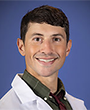
Dr. Leon’s goal is to bridge care between the worlds of anesthesia and emergency medicine to enhance patient care across the spectrum of the healthcare system, from the pre-hospital realm to the trauma bay to the OR, ICU and beyond.
-

Fangchi Shao is a senior scientist in purification process development at Sanofi. He earned his doctorate in biomedical engineering from the Johns Hopkins University School of Medicine, where his research focused on developing innovative microfluidic technologies for diagnostics, therapeutics and biotechnology applications.
During his time at Johns Hopkins, Dr. Shao was actively involved in student leadership and mentorship. He served as vice president of the Johns Hopkins University Chinese Students and Scholars Association, director of internships for BME EDGE, and co-director of education for the Johns Hopkins Graduate Consulting Club. Through these roles, he supported student professional development, mentorship and community engagement. He was recognized as a 2025 Siebel Scholar, and was named one of the AACYF Top 10 Chinese American Outstanding Youth.
-
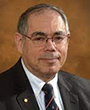
A legacy graduate and son of Jerry Dorkin ’41, Hank Dorkin earned his engineering degree from Lehigh University before receiving his medical degree and completing his pediatric residency at Johns Hopkins. After a fellowship at Boston Children’s Hospital (BCH) and Harvard Medical School, he built a distinguished academic and clinical career in Boston. He founded the Division of Respiratory Diseases at Tufts University School of Medicine, served as a Cystic Fibrosis Center director at both Massachusetts General Hospital and BCH, and led BCH’s clinical trials program to a number one national ranking for enrollment. Renowned for his research in pediatric respiratory disease, Dorkin was honored by BCH in 2021 with the establishment of the Henry Dorkin Chair in Pulmonary Health Outcomes Research.
Beyond his clinical work, Dorkin has been deeply active in organized medicine and public health advocacy. He is a past president of the Massachusetts Medical Society, a member of its board of trustees, and a continuous delegate to the AMA House of Delegates, alongside serving on the Commonwealth’s Newborn Screening Advisory Committee. Dorkin lives in Newton, Massachusetts, with his wife, Kathleen. They have two children, Dr. Molly Dorkin, who resides in the United Kingdom with her family, and Dr. Robert Dorkin of Somerville, Massachusetts.
-

Leigh Frame is chief well-being officer at Good Bacteria, executive director of the GW Office of Integrative Medicine & Health, and associate professor of clinical research and leadership and physician assistant studies at the George Washington University School of Medicine & Health Sciences. She co-founded the GW Resiliency & Well-Being Center and previously served as chief wellness officer of GW Medicine, leading enterprise efforts that advanced integrative pathways to well-being and whole-person health. Her translational research focuses on the microbiota–gut–brain–immune axis, fatty acids (including omega-3s and C15:0), postbiotic metabolites, nutritional immunology (e.g., vitamin D), and malnutrition in obesity. She is co-founder and chief medical officer of Recondite Consulting, serves on multiple healthcare and biotech advisory boards, and co-hosts the GW Integrative Medicine podcast. Dr. Frame earned her bachelor’s degree in biochemistry with distinction from Mary Baldwin University and both her M.H.S. in immunology and Ph.D. in human nutrition from the Johns Hopkins Bloomberg School of Public Health.
-

Valerie Ratts is a proud alumna of the Johns Hopkins University School of Medicine, where she earned her medical degree in 1987, completed her residency in gynecology and obstetrics in 1991, and finished her fellowship in reproductive endocrinology and infertility (REI) in 1993. A native of St. Louis, Dr. Ratts joined the Washington University School of Medicine faculty in 1994, where she currently serves as the associate dean for admissions and professor of obstetrics and gynecology. Since 1998, she has also been the program director for the Infertility and Reproductive Medicine Center at Washington University and Barnes-Jewish Hospital. Nationally recognized with an NIH-sponsored Reproductive Scientist Development Program Award, a Bill and Melinda Gates Foundation grant, and consistent rankings among the Best Doctors in America, Dr. Ratts has deep clinical expertise in polycystic ovary syndrome and uterine peristalsis imaging.
Beyond her individual professional excellence, Dr. Ratts shares an extraordinary, multigenerational connection to Johns Hopkins. She is married to Dr. Matthew Gornet, who completed his medical school training, orthopaedics residency and spine surgery fellowship at Johns Hopkins. This dedication to the institution was passed on to their daughter, Dr. Megan Gornet, who completed her medical school training, gynecology and obstetrics residency, and REI fellowship at Johns Hopkins, as well as their son-in-law, Dr. Nicholas Calotta, who earned his medical degree and completed his plastic surgery residency at the university.
-

Wendye Robbins is a transformational biotech leader with a rare gift for taking novel therapeutics from concept to market. She helped shepherd the development of breakthrough therapies including Qutenza, a first-in-class topical treatment for neuropathic pain, and Ajovy, a pioneering antibody for migraine prevention. During her career, she has raised over $1 billion in public and private markets and guided companies from formation through late-stage development and successful exits. She has served in leadership roles at diverse companies and contributed to company-formation work with various firms. A trusted strategic voice in the industry, Dr. Robbins served as an independent director and subcommittee chair at RAPT Therapeutics (2019–2025), where she led high-value, cross-border transactions including the acquisition of next-generation anti-IgE therapeutic RPT-904 in 2024. She also champions innovation and policy through board roles with BIO’s Emerging Companies Section, the Buck Institute, and California Life Sciences. Her academic pedigree is equally distinguished: residency and fellowship in anesthesiology and pain medicine at Johns Hopkins, an internship at the Hospital of the University of Pennsylvania, and 12 years as a clinical associate professor at Stanford School of Medicine. Board-certified in anesthesiology, Dr. Robbins pairs deep scientific rigor with a proven, high-integrity record of C-suite and boardroom leadership in both public and private biotech.
Ex Oficio
Peter D. Byeff, MD (Med ’74)
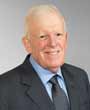 Peter D. Byeff, M.D. graduated cum laude with honors in Psychology from the University of Pennsylvania in 1970. He then graduated from the Johns Hopkins University School of Medicine in 1974 and this was followed by an internship and residency in Internal Medicine at Georgetown University Hospital. While there, he worked briefly with Dr. Sheldon Wolff and Dr. Anthony Fauci at the National Institute of Allergy and Infectious Disease. He was then a visiting fellow in Hematology-Oncology at Columbia-Presbyterian. He was given the Royal Gibson Award for the outstanding first year fellow in Hematology-Oncology. He was awarded the prestigious Damon Runyon-Walter Winchell Cancer Fellowship while at Columbia. He has been practicing in Connecticut since 1982 and has been the Medical Director of the Cancer Center of the Hospital of Central Connecticut for many years, which is part of the Hartford HealthCare Cancer Institute and an affiliate of Memorial Sloan- Kettering. He is a Clinical Associate Professor of Medicine at the University of Connecticut School of Medicine. He has written a number of scientific papers and presented his research at an American Association of Cancer Research meeting. He has been the Principal Investigator of numerous clinical trials in Hematology and Oncology. He has served on the American Society of Clinical Oncology Workforce Taskforce which published its findings in 2008. He is the President of the Johns Hopkins Medicine Alumni Association. He has received the Johns Hopkins Heritage Award, which is the highest honor the Alumni can bestow. He and his wife have given 2 scholarships to support medical students at the Johns Hopkins School of Medicine. He was chosen to lead a one-year campaign to raise funds for scholarships at the School of Medicine, whose goal was $12.5 million dollars, and a total of $18 million was raised.
He has a long-standing interest in the Lindbergh kidnapping case which riveted the attention of the entire United States in the early 1930’s. Charles Lindbergh was the foremost national hero of the time and the kidnapping and murder of his young son horrified the country. The apprehension and subsequent trial and execution was front page news for several years. The case led to the Lindbergh law which made kidnapping a federal crime as well as a capital offense and led to the FBI’s involvement in such cases. Dr. Byeff’s interest in the case was sparked by his relationship with Dudley D. Schoenfeld, MD a psychiatrist who was called in by the New York City Police Department to analyze the ransom notes. Dr. Schoenfeld was the first criminal profiler, and wrote a book, The Crime and the Criminal about the case and his profile of the kidnapper. Dr. Byeff’s mother, Ruth, was his personal assistant for many years and he had multiple conversations with Dr. Schoenfeld about the notorious case. Dr. Byeff has lectured about the case and has been interviewed by a well know writer who was working on a book about kidnapping.