Research Lab Results
-
Center for Research on Cardiac Intermediate Filaments
The CRCIF was established to foster collaborative efforts aimed at elucidating the role of intermediate filaments (IFs) in the heart. Intermediate filaments constitute a class of cytoskeletal proteins in metazoan cells, however, different from actin microfilaments and tubulin microtubules, their function in cardiac cells is poorly understood. Unique from the other two components of the cytoskeleton, IFs are formed by cell type-specific proteins. Desmin is the main component of the IFs in the cardiac myocytes. We measured the consistent induction of desmin post-translational modifications (PTMs, such as phosphorylation, etc.) in various clinical and experimental models of heart failure. Therefore, one of our main focuses is to determine the contribution of desmin PTMs to the development of heart failure in different animal and clinical models. Active Projects: • Quantification of desmin PTM-forms in different forms of heart failure at the peptide level using mass spectrometry • Functional assessment of the role of desmin PTMs in heart failure development using single site mutagenesis and biophysical methods • Molecular characterization of desmin preamyloid oligomers using mass spectrometry, in vitro and in vivo imaging • Assessment of the diagnostic and pharmacological value of desmin PTMs in heart failure development -
Cammarato Lab
The Cammarato Lab is located in the Division of Cardiology in the Department of Medicine at the Johns Hopkins University School of Medicine. We are interested in basic mechanisms of striated muscle biology. We employ an array of imaging techniques to study “structural physiology” of cardiac and skeletal muscle. Drosophila melanogaster, the fruit fly, expresses both forms of striated muscle and benefits greatly from powerful genetic tools. We investigate conserved myopathic (muscle disease) processes and perform hierarchical and integrative analysis of muscle function from the level of single molecules and macromolecular complexes through the level of the tissue itself. Anthony Ross Cammarato, MD, is an assistant professor of medicine in the Cardiology Department. He studies the identification and manipulation of age- and mutation-dependent modifiers of cardiac function, hierarchical modeling and imaging of contractile machinery, integrative analysis of striated muscle performance and myopathic processes. -
Complex Arrhythmias in Congenital and Acquired Structural Heart Diseases
The Aronis Lab develops and refines catheter-based, surgical, and computational strategies to treat the most complex arrhythmias in patients with congenital and acquired structural heart disease—hearts whose distorted anatomy, surgical scar, and limited vascular access place them beyond the reach of conventional electrophysiology. Our mission is to make ablation and device therapy in these patients safer, more durable, and individualized, and to generate the outcomes evidence this historically understudied population has lacked. The lab integrates clinical research, procedural innovation, advanced imaging, and computational modeling, and works closely with the Johns Hopkins adult congenital heart disease, cardiac surgery, cardiac anesthesiology, and biomedical engineering teams.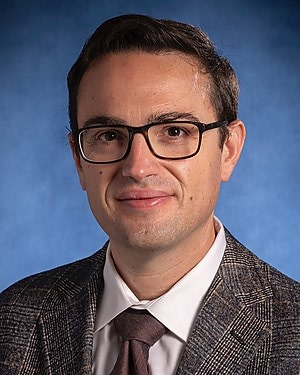
Principal Investigator
-
Bakker Memory Lab
Research in the Bakker Memory Laboratory is focused on understanding the mechanisms and brain networks underlying human cognition with a specific focus on the mechanisms underlying learning and memory and the changes in memory that occur with aging and disease. We use a variety of techniques including neuropsychological assessments, experimental behavioral assessments and particularly advanced neuroimaging methods to study these questions in young and older adults and patients with mild cognitive impairment, Alzheimer’s disease, Parkinson’s disease and epilepsy. Through our collaborations with investigators in both basic science and clinical departments, including the departments of Psychiatry and Behavioral Sciences, Psychological and Brain Sciences, Neurology and Public Health, our research also focuses on brain systems involved in spatial navigation and decision-making as well as cognitive impairment in neuropsychiatric conditions such as schizophrenia, eating disorders, obsessive-compulsive disorders, depression and anxiety. -
Daniel Weinberger Laboratory
The Daniel Weinberger Laboratory focuses on the neurobiological mechanisms of genetic risk for developmental brain disorders. We study the genetic regulation of the transcriptome in normal human brain across the human life span and in brains from patients with various psychiatric disorders. We also study the impact of genetic variation on aspects of human brain development and function linked with risk for schizophrenia and related psychiatric disorders. Our lab uses unique molecular and clinical datasets and biological materials from a large sample of families with affected and unaffected offspring and normal volunteers. These datasets include DNA, lymphoblast and fibroblast cell lines, and extensive quantitative phenotypes related to genetic risk for schizophrenia, including detailed cognitive assessments and various neuroimaging assays. In other research, we are working on a human brain transcriptome project that is RNA sequencing over 1,000 human brain samples in various regions and based also on sorting of specific celliular phentypes. We are exploring the molecular processing of the gene and its implications for cognition and aspects of human temperament. -
Zanvyl Krieger Mind/Brain Institute
The Zanvyl Krieger Mind/Brain Institute is dedicated to the study of the neural mechanisms of higher brain functions using modern neurophysiological, anatomical and computational techniques. Our researchers use various approaches to understand information processing and its influence on perception, memory, abstract thought, complex behavior and consciousness. Systems and cognitive laboratories use neurophysiology, brain imaging and psychophysics to develop a quantitative, network-level understanding of cognitive information processing. Other researchers use analytical approaches such as system identification, dimensionality reduction, information theory and network modeling to understand information processing. Other areas of research in the Institute include the study of how visual and tactile information processing leads to perception and understanding of two- and three-dimensional objects. Another focus is on neural processing and recognition of speech and other complex sounds. Still other laboratories study neural mechanisms of attention, memory formation, motor learning, decision-making and executive control of behavior. -
Wu Lab
Dr. Wu leads a multi-disciplinary team with collaborators from the Bloomberg School of Public Health, JHU Whiting School of Engineering, and JHU Krieger School of Arts and Sciences. She conducts ongoing investigations with the Multicenter AIDS Cohort Study and Women’s Inter-agency Health Study. Her lab’s goals are to develop, implement, and validate novel imaging-based metrics of cardiac structure and function to improve risk prediction and stratification at the individual patient-level. Research Focuses: Predictors of Sudden Cardiac Death by Magnetic Resonance Imaging Subclinical myocardial disease in people living with HIV Individualized risk prediction Cardiac structural and mechanical modeling
-
Venu Raman Research Lab
The Raman laboratory is within the Division of Cancer Imaging Research in the Department of Radiology and Radiological Science. The focus of the laboratory is bench-to-bed side cancer research. We integrate molecular and cellular biology, developmental biology, cancer biology, molecular imaging techniques to study cancer formation and progression. Many of the projects in the lab investigate dysregulated genes in cancer and the translatability of this information to a clinical setting. One such project is to functionally decipher the role of a RNA helicase gene, DDX3, in the biogenesis of multiple cancer types such as breast, lung, brain, sarcoma, colorectal and prostate. Additionally, using a rational drug design approach, a small molecule inhibitor of DDX3 (RK-33) was synthesized and its potential for clinical translation is being investigated.
-
Kashani Lab
Dr. Amir Kashani and his team are developing novel diagnostic and therapeutic methods to diagnose and treat retinal diseases using advanced imaging methods. These methods can detect the earliest changes in retinal capillaries before they are noticeable to the patient or doctor. -
Karakousis Lab
The Karakousis Lab is primarily focused on understanding the molecular basis of Mycobacterium tuberculosis persistence and antibiotic tolerance. A systems biology-based approach, including the use of several novel in vitro and animal models, in combination with transcriptional, proteomic, genetic, imaging, and computational techniques, is being used to identify host cytokine networks responsible for immunological control of M. tuberculosis growth, as well as M. tuberculosis regulatory and metabolic pathways required for bacillary growth restriction and reactivation. In particular, we are actively investigating the regulatory cascade involved in the mycobacterial stringent response. Another major focus of the lab is the development of host-directed therapies for TB, with the goal of shortening treatment and improving long-term lung function. Additional research interests include the development of novel molecular assays for the rapid diagnosis of latent TB infection and active TB disease, and for the detection of drug resistance.