Research Lab Results
-
Maternal-Fetal Medicine Research
The Division of Maternal-Fetal Medicine is engaged in clinical, basic bench and epidemiological research as one of its primary missions. Our strength lies in the expertise and diverse interests of our faculty, as well as in the collaborations with multiple other disciplines and departments throughout the School of Medicine, The Bloomberg School of Public Health, and the School of Biomedical Engineering. The strong research infrastructure of the Johns Hopkins University forms a solid foundation for the success of our integrated research program for Maternal-Fetal Medicine. -
Sean Taverna Laboratory
The Taverna Laboratory studies histone marks, such as lysine methylation and acetylation, and how they contribute to an epigenetic/histone code that dictates chromatin-templated functions like transcriptional activation and gene silencing. Our lab uses biochemistry and cell biology in a variety of model organisms to explore connections between gene regulation and proteins that write and read histone marks, many of which have clear links to human diseases like leukemia and other cancers. We also investigate links between small RNAs and histone marks involved in gene silencing. -
International Arts + Mind Lab (IAM Lab) Center for Applied Neuroaesthetics
The International Arts + Mind Lab (IAM Lab) Center for Applied Neuroaesthetics is a multidisciplinary research-to-practice initiative at Johns Hopkins University that is accelerating the field of neuroarts through the study of neuroaesthetics. The lab brings together brain scientists and practitioners in the visual and performing arts, architecture and design, and creative arts therapies to foster collaboration and research. -
Padmini Ranasighe Lab
Research in the Padmini Ranasinghe Lab focuses on internal and preventive medicine, with an emphasis on health and wellness and international health.
-
Amit Pahwa Lab
The Amit Pahwa Lab conducts research on a variety of topics within internal medicine. Our most recent studies have explored misanalysis of urinalysis results, urinary fractional excretion indices in the evaluation of acute kidney injury and nocturnal enuresis as a risk factor for falls in older women. We also investigate cancer diagnostics and treatments. In this area, our recent research has included studying cutaneous shave biopsies for diagnosing primary colonic adenocarcinoma as well as growth inhibition and apoptosis in human brain tumor cell lines using selenium.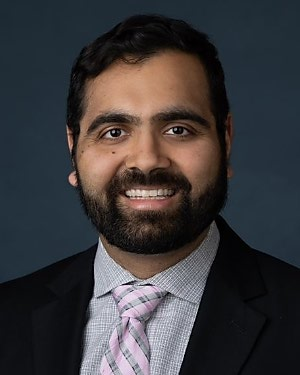
-
Janet Record Lab
Research in the Janet Record Lab focuses on medical education and patient-centered care. We’re currently developing a curriculum for internal medicine residents in the inpatient general medicine service setting. The curriculum teaches residents to use hand-carried ultrasound for imaging the inferior vena cava to assess volume status.
-
Coller Lab
We leverage both yeast and mammalian systems to study the processes of mRNA translation and mRNA stability. -
Green Lab
Work in the Green Lab is centered on the ribosome. The overall fidelity of protein synthesis appears to be limited by the action of the ribosome, which is the two-subunit macromolecular machine responsible for decoding and translating messenger RNAs (mRNAs) into protein in all organisms. Our work is divided into four general project areas. The longest-standing research area concerns the interactions of eubacterial ribosomes and release factors. The goal is to understand the mechanism of action of release factors on the ribosome. A second research area involves biochemical and structure/function studies of the miRNA pathway, particularly the mechanism of action of the Argonaute proteins and their interacting factors. A third area of work in the lab is centered around regulation of eukaryotic translation, specifically in understanding the mechanism behind various mRNA quality control pathways and the interactions of proteins therein, as well as with the ribosome. The newest area of research in the lab extends our strengths in ribosome biochemistry to characterize the translation status of the cell using the ribosome profiling. We are using this technique to better understand the role of several factors involved in eukaryotic and prokaryotic translation fidelity. -
Gail Geller Lab
The Gail Geller Lab primarily conducts empirical quantitative and qualitative research on the ethical and social implications of genetic testing in the adult, pediatric and family contexts. We have focused on clinical-patient communication under conditions of uncertainty; professionalism and humanism in medical education; cross-cultural variation in concepts of health and disease; and clinician suffering and moral distress. We explore these topics in a range of health care contexts, including genomics, complementary and alternative medicine (CAM) and palliative care. Our researchers have a longstanding interest in medical socialization, provider-patient communication under conditions of uncertainty and cultural differences in attitudes toward health and disease. We also explore the intersection of CAM and bioethics, as well as the role of palliative care in chronic diseases, such as muscular dystrophy and sickle cell disease. -
Beer Lab
The goal of research in the Beer Lab is to understand how gene regulatory information is encoded in genomic DNA sequence. Our work uses functional genomics DNase-seq, ChIP-seq, RNA-seq, and chromatin state data to computationally identify combinations of transcription factor binding sites that operate to define the activity of cell-type specific enhancers. We are currently focused on improving SVM methodology by including more general sequence features and constraints predicting the impact of SNPs on enhancer activity (delta-SVM) and GWAS association for specific diseases, experimentally assessing the predicted impact of regulatory element mutation in mammalian cells, systematically determining regulatory element logic from ENCODE human and mouse data, and using this sequence based regulatory code to assess common modes of regulatory element evolution and variation.