Research Lab Results
-
Neuro-Urology Laboratory
The Neuro-Urology Laboratory is improving and preserving erectile and voiding function for those with pelvic disorders. -
Pediatric Cerebral Palsy and Epilepsy Lab
The team headed by Shenandoah “Dody” Robinson, M.D., professor of neurosurgery, neurology and pediatrics, studies perinatal brain injury and repair. Employing developmentally age-appropriate models, the lab investigates neurological consequences of extremely preterm birth, including cerebral palsy, chronic pain, cognitive and behavioral impairment, epilepsy and posthemorrhagic hydrocephalus of prematurity. -
Vascular Neurology Lab
Vascular research led by Rafael Tamargo, M.D., the Walter E. Dandy Professor of Neurosurgery, explores treatment of aneurysms, arteriovenous malformations, cavernous malformations, and arteriovenous fistulas of the brain and spinal cord. Basic science research has focused on endothelial cell-leukocyte interactions (inflammation) after subarachnoid hemorrhage and identifying drugs that might inhibit this inflammatory response as well as the narrowing of blood vessels. -
Karen Bandeen-Roche Lab
The Karen Bandeen-Roche Lab explores the application of underlying variable methods in epidemiologic and psychosocial research. Our team seeks to improve the ability to measure key outcomes like functional status and psychological disorders. Our other areas of statistical research include the study of classification and variance structure and multivariate survival analysis. We are deeply invested in the field of gerontology as well as ophthalmology and neurology.
-
NeuroTech & NeuroAI Engineering Laboratory
Our laboratory pioneers innovations at the intersection of precision neurology, neuroengineering, artificial intelligence, and data science. We develop advanced neural-AI interfaces, autonomous wearable neurotechnologies, and immersive augmented and virtual reality platforms incorporating novel multimodal neuron-sensing technologies designed to personalize diagnostics, enhance therapeutic interventions, and optimize neurological rehabilitation. Leveraging computational neuroscience, AI, and applied data science, we generate robust digital biomarkers to monitor and treat neurologic diseases in real-time. Through interdisciplinary collaborations, we aim to transform clinical practice by providing precise, interactive, and personalized neurologic care that dramatically improves patient outcomes. -
Auditory Brainstem Laboratory
The overall goal of the Auditory Brainstem Library is to understand how abnormal auditory input from the ear affects the brainstem, and how the brain in turn affects activity in the ear through efferent feedback loops. Our emphasis is on understanding the effects of different forms of acquired hearing loss (genetic, conductive, noise-induced, age-related, traumatic brain injury-related) and environmental noise. We are particularly interested in plastic changes in the brain that compensate for some aspects of altered auditory input, and how those changes relate to central auditory processing deficits, tinnitus, and hyperacusis. Understanding these changes will help refine therapeutic strategies and identify new targets for treatment. We collaborate with other labs in the Depts. of Otolaryngology, Neuroscience, Neuropathology, the Wilmer Eye Institute, and the Applied Physics Laboratory at Johns Hopkins, in addition to labs outside the university to increase the impact and clinical relevance of our research. -
Amit Pahwa Lab
The Amit Pahwa Lab conducts research on a variety of topics within internal medicine. Our most recent studies have explored misanalysis of urinalysis results, urinary fractional excretion indices in the evaluation of acute kidney injury and nocturnal enuresis as a risk factor for falls in older women. We also investigate cancer diagnostics and treatments. In this area, our recent research has included studying cutaneous shave biopsies for diagnosing primary colonic adenocarcinoma as well as growth inhibition and apoptosis in human brain tumor cell lines using selenium.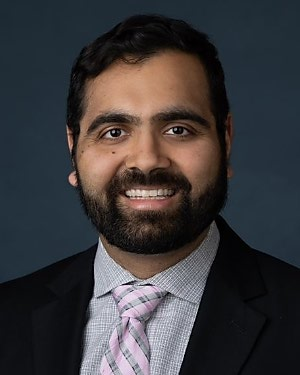
-
C. David Mintz Lab
Researchers in the C. David Mintz Lab seek to better understand the specific methods by which anesthesia can impair a patient’s brain development. Recent studies have investigated the ways in which anesthetics interfere with axon guidance in developing mouse neocortical neurons via a GABAA receptor mechanism, as well as the method by which anesthetics interfere with the polarization of developing cortical neurons. -
Brain Science Institute (BSi)
The Brain Science Institute (BSi) brings together both basic and clinical neuroscientists from across the Johns Hopkins campuses. The BSi represents one of the largest and most diverse groups in the university. The BSi's mission is to solve fundamental questions about brain development and function and to use these insights to understand the mechanisms of brain disease. This new knowledge will provide the catalyst for the facilitation and development of effective therapies. The goals of our research are to foster new programs in basic neuroscience discovery; initiate a translational research program that will develop new treatments for brain-based diseases; and encourage collaboration, interdisciplinary teams, and new thinking that will have a global influence on research and treatment of the nervous system. -
Donald Shaffner Lab
Work in the Donald Shaffner Lab investigates several topics within critical care medicine. Our team conducts research on the mechanisms involved in neurologic injury from global ischemia as a result of cardiac arrest and resuscitation. We also study neurologic outcomes of pediatric patients who experience cardiac arrest.