Research Lab Results
-
Ami Shah Lab
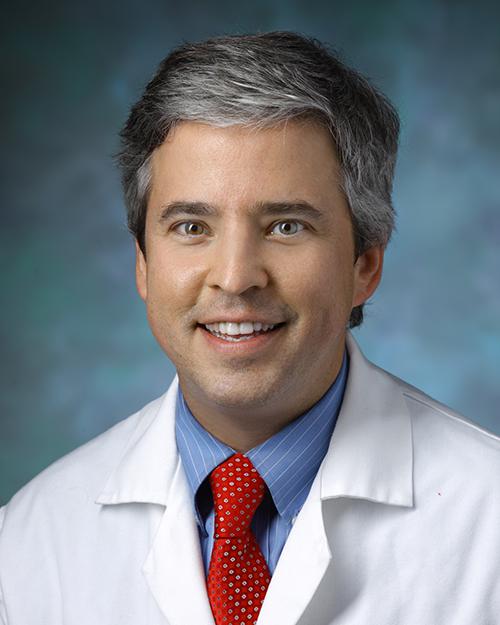
Researchers in the Ami Shah Lab study scleroderma and Raynaud’s phenomenon. We examine the relationship between cancer and scleroderma, with a focus on how and if cancer causes scleroderma to develop in some patients. We are currently conducting clinical research to study ways to detect cardiopulmonary complications in patients with scleroderma, biological and imaging markers of Raynaud’s phenomenon, and drugs that improve aspects of scleroderma. -
Jodi Segal Lab
Research in the Jodi Segal Lab focuses on developing methodologies to use observational data to understand the use of new drugs, particularly drugs for treating diabetes, blood disorders and osteoporosis. We apply advanced methods for evidence-based review and meta-analysis, and—in collaboration with Johns Hopkins biostatisticians—we have developed new methodologies for observational research (using propensity scores to adjust for covariates that change over time) and methods to account for competing risks and heterogeneity of treatment effects in analyses.
-
Jun O. Liu Laboratory
The Jun O. Liu Laboratory tests small molecules to see if they react in our bodies to find potential drugs to treat disease. We employ high-throughput screening to identify modulators of various cellular processes and pathways that have been implicated in human diseases from cancer to autoimmune diseases. Once biologically active inhibitors are identified, they will serve both as probes of the biological processes of interest and as leads for the development of new drugs for treating human diseases. Among the biological processes of interest are cancer cell growth and apoptosis, angiogenesis, calcium-dependent signaling pathways, eukaryotic transcription and translation.
-
Craig W. Hendrix Lab
Research in the Craig W. Hendrix Lab concentrates on the chemoprevention of HIV infection, clinical pharmacology of antiviral drugs, drug interactions, and oral, topical and injectable HIV microbicide development. Our lab conducts small, intensive sampling studies of PK and PD of drugs for HIV prevention with a focus on developing methods to better understand HIV and drug distribution in the male genital tract, female genital tract and lower gastrointestinal tract. We also support numerous HIV pre-exposure prophylaxis development studies from phase I to phase III, largely as leader of the Pharmacology Core Laboratory of both the Microbicide Trial Network and HIV Prevention Trials Network. -
Charles W. Flexner Laboratory
A. Laboratory activities include the use of accelerator mass spectrometry (AMS) techniques to measure intracellular drugs and drugs metabolites. AMS is a highly sensitive method for detecting tracer amounts of radio-labeled molecules in cells, tissues, and body fluids. We have been able to measure intracellular zidovudine triphosphate (the active anabolite of zidovudine) in peripheral blood mononuclear cells from healthy volunteers given small doses of 14C-zidovudine, and have directly compared the sensitivity of AMS to traditional LC/MS methods carried out in our laboratory. B. Clinical research activities investigate the clinical pharmacology of new anti-HIV therapies and drug combinations. Specific drug classes studied include HIV reverse transcriptase inhibitors, protease inhibitors, entry inhibitors (selective CCR5 and CXCR4 antagonists), and integrase inhibitors. Scientific objectives of clinical studies include characterization of early drug activity, toxicity, and pharmacokinetics. Additional objectives are characterization of pathways of drug metabolism, and identification of clinically significant harmful and beneficial drug interactions mediated by hepatic and intestinal cytochrome P450 isoforms.
-
Caleb Alexander Lab
Research in the Caleb Alexander Lab examines prescription drug use. This includes studies of population-based patterns and determinants of pharmaceutical use, clinical decision-making about prescription drugs, and the effect of changes in regulatory and payment policies on pharmaceutical utilization. We have special expertise in conducting survey-based studies and analyzing secondary data sources, including administrative claims, the Medical Expenditure Panel Survey and the National Ambulatory Medical Care Survey. -
Brennen Lab
The Brennen laboratory takes a rigorous, multi-disciplinary, team-based approach towards developing innovative therapeutic and prognostic strategies for prostate cancer with an emphasis on exploiting vulnerabilities within the tumor microenvironment towards this goal. To accomplish this goal, we are strategically pursuing novel therapeutic platforms, including stromal-targeted prodrugs, protoxins, and radiolabeled antibodies, in addition to cell-based therapy and drug delivery; all of which are designed to reduce toxicity to peripheral non-target tissue (i.e. side effects) while maximizing anti-tumor efficacy (i.e. therapeutic benefit). Currently, many of these strategies are focused on overcoming stromal barriers to anti-tumor immune responses such that men suffering from prostate cancer can share in the immense, revolutionary power of immunotherapy that is transforming care for many with advanced disease in other tumor types previously thought to be unmanageable using conventional approaches. Unfortunately, prostate cancer has largely proven refractory to these powerful approaches thus far and requires novel mono- or combinatorial treatment strategies to unleash the full potential of the immune system and generate personalized anti-tumor responses with the capability of producing long-term durable responses or even cures in these men.
-
Eric Nuermberger Lab
Research in the Eric Nuermberger Lab focuses primarily on experimental chemotherapy for tuberculosis. We use proven murine models of active and latent tuberculosis infection to assess the effectiveness of novel antimicrobials. A key goal is to identify new agents to combine with existing drugs to shorten tuberculosis therapy or enable less frequent drug administration. We're also using a flow-controlled in vitro pharmacodynamic system to better understand the pharmacodynamics of drug efficacy and the selection of drug-resistant mutants during exposure to current agents.
-
William Bishai Laboratory
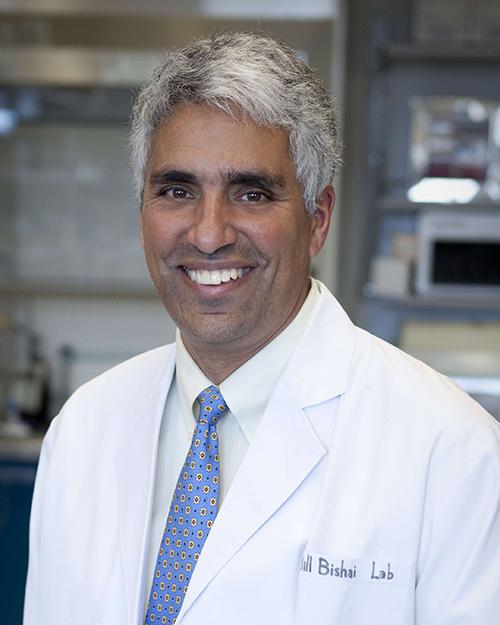
The William Bishai Laboratory studies the molecular pathogenesis of tuberculosis. The overall goal of our laboratory is to better understand tuberculosis pathogenesis and then to employ this understanding toward improved drugs, vaccines and diagnostics. Since Mycobacterium tuberculosis senses and adapts to a wide array of conditions during the disease process, it is clear that the regulation of expression of virulence factors plays an important role in pathogenesis. As a result, a theme of our research is to assess mycobacterial genes important in gene regulation. We are also interested in cell division in mycobacteria and the pathogenesis of caseation and cavitation. -
Frueh Laboratory
The Frueh Laboratory uses nuclear magnetic resonance (NMR) to study how protein dynamics can be modulated and how active enzymatic systems can be conformed. Non-ribosomal peptide synthetases (NRPS) are large enzymatic systems that biosynthesize secondary metabolites, many of which are used by pharmaceutical scientists to produce drugs such as antibiotics or anticancer agents. Dr. Frueh's laboratory uses NMR to study inter- and intra-domain modifications that occur during the catalytic steps of NRPS. Dr. Frueh and his team are constantly developing new NMR techniques to study these complicated enzymatic systems.