
At the Armstrong Institute for Artificial Intelligence, we are committed to shaping a future where medical AI is not just powerful, but human-centered in design and deployment with safe and ethical improvement of care quality.
We are the global leaders safety and quality, and we are ideally situated to ensure that AI in medical use truly benefits both patients and clinicians.
Our Vision
Our Mission
- To improve experience of care and caregiving for both patients and providers.
- To improve patient safety and to optimize patient outcomes.
- To improve worker-wellbeing.
- To reduce healthcare cost and system burden.
The Problems We See
- AI can help to save time and cost, but it can also make mistakes faster.
- AI is often not designed and implemented shoulder-to-shoulder with health systems experts, leading to mismatch between intended function and actual impacts.
- Relevant safety metrics to ensure safe implementation of AI are often unknown or are not yet developed.
- Many health systems lack technical expertise to know safe from unsafe medical AI technologies.
How Will We Solve These Problems? We Lead the World In:
Collaborative Research and Innovative Design with Clinicians
Tools and interventions built, tested and deployed shoulder-to-shoulder with frontline teams.

Systems-Integrated Innovation
Ensuring that AI fits into clinical workflows and improves care, rather than disrupts or burdens it.

Human-Centered AI
We lead with human factors and implementation science approaches to ensure AIs are intentionally designed and deployed to provide clinicians and patients what they need—not simply what flawed pre-existing systems can deliver.

Ethical and Transparent Deployment
Real-world evaluation methods that catch hidden harms before they reach clinical practice.

Safety and Quality Science Expertise and Evaluation
Deep understanding of safety and quality improvement successes and failures, and how to prevent new ones with AI.

Patient-Family Facing Approach

Founding Members
Ayse P. Gurses, Ph.D., M.S., M.P.H.
Professor, Schools of Medicine, Bloomberg Public Health, Whiting Engineering, Johns Hopkins University
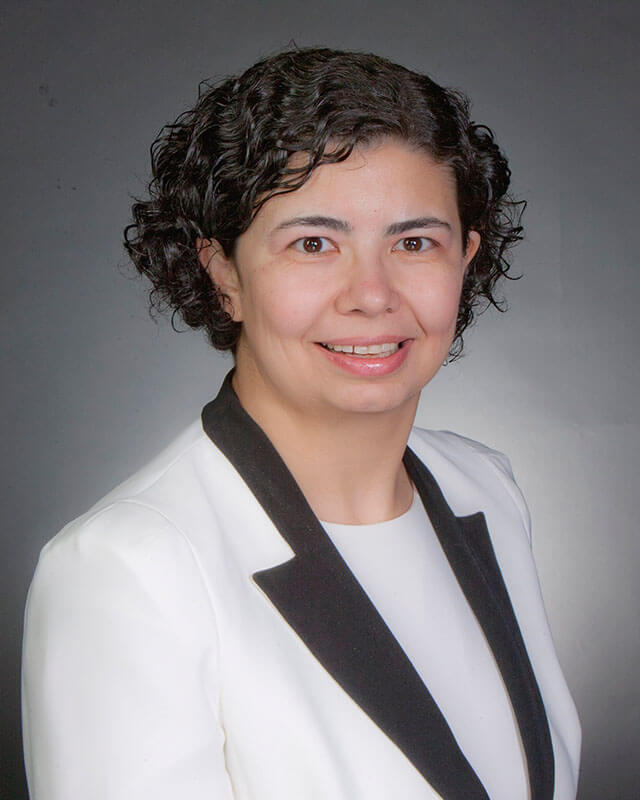
Albert W. Wu, M.D., M.P.H.
Director, Center for Health Services and Outcomes Research
Fred and Juliet Soper Professor of Health Policy & Management
Joint Appointments in Epidemiology, International Health, Medicine, Surgery, and Business at Johns Hopkins University
The Johns Hopkins University School of Medicine Principal Faculty, Armstrong Institute for Patient Safety and Quality

Yuxin (Daisy) Zhu, Ph.D.
Assistant Professor in the Department of Neurology, Johns Hopkins University School of Medicine
Joint appointments in the Department of Biostatistics at Johns Hopkins Bloomberg School of Public Health
Principal Faculty, Armstrong Institute for Patient Safety and Quality
David Rastall, D.O., Ph.D.
Assistant Professor of Neurology, Johns Hopkins University School of Medicine
Lead for Artificial Intelligence Strategic Initiatives, Armstrong Institute Center for Diagnostic Excellence

Michael A. Rosen, Ph.D., M.A.
Professor in the Dept. of Anesthesiology and Critical Care Medicine at the Johns Hopkins School of Medicine with appointments in the Schools of Public Health, and Nursing
Director of Research for the Armstrong Institute for Patient Safety and Quality
Associate Director for Team Science at the Institute for Clinical and Translational Research
Director of Research at the Johns Hopkins School of Medicine Simulation Center
Co-Director of the Applied Master of Science Program in Patient Safety and Healthcare Quality at the Johns Hopkins School of Public Health

Phillip H. Phan, Ph.D.
Director for Strategy, Armstrong Institute for Patient Safety and Quality
Alonzo and Virginia Decker Professor, Johns Hopkins University Carey Business School
Professor (Joint), Division of Geriatric Medicine and Gerontology, The Johns Hopkins University School of Medicine

Richard M. Day, M.S.
Senior Technical Advisor for Transformative Deployment of Artificial Intelligence, Armstrong Institute for Patient Safety and Quality
Faculty Whiting School of Engineering and School of Medicine, Johns Hopkins University
Affiliations Data Science and AI Institute, Malone Center for Engineering in Healthcare, Institute for Assured Autonomy, Institute for Data Intensive Engineering and Science.

Shannon L. Cole, Ph.D., M.S.
Senior Medical Writer and Editor, Strategic Communications, Storyteller-in-Chief, Armstrong Institute for Patient Safety and Quality

Alan D. Ravitz, Ph.D., P.E.
Chief Engineer, Global Health Mission Area, Johns Hopkins Applied Physics Laboratory
Chair, Healthcare Systems Engineering Program, WSE Engineering for Professionals
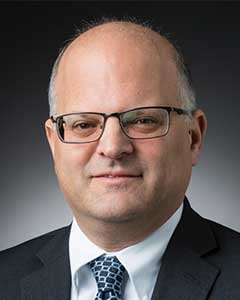
Mohamed Rehman, M.D.
Chair of the Department of Anesthesia at Johns Hopkins All Children’s Hospital
Professor of Anesthesiology, Critical Care Medicine, Internal Medicine, and Pediatrics at the Johns Hopkins University School of Medicine
Eric Kobren Chair for Clinical Informatics
Core Faculty, Armstrong Institute for Patient Safety and Quality

Luis M. Ahumada, Ph.D., M.S.C.S.
Executive Director of Advanced Technologies & Data Science at Johns Hopkins
Founding Director of the Center for Pediatric Data Science and Analytic Methodology
Director of the Predictive Analytics AI/ML Core at Johns Hopkins All Children’s Hospital
Assistant Professor at the Johns Hopkins School of Medicine

Ahmed Hassoon, M.D., M.P.H.
Assistant Research Professor
Department of Epidemiology at Bloomberg School of Public Health
Department of Neurology at School of Medicine
Department of Computer Science at Whiting School of Engineering
Center for Diagnostic Excellence, Welch Center for Prevention, Epidemiology, and Center for Humanitarian Health

Ayodele McClenney, J.D.
Strategic Partnerships Lead, Center for Diagnostic Excellence
Member, Corporate Partnerships, Johns Hopkins Technology Ventures

Laura J. Sigman, M.D., J.D.
Assistant Professor of Pediatrics, Division of Pediatric Emergency Medicine
Assistant Chief, Eudowood Division of Quality and Safety, Department of Pediatrics
Peter A. Najjar, M.D., M.B.A.
Assistant Professor of Surgery, The Johns Hopkins University School of Medicine

David Newman-Toker, M.D., Ph.D.
David Robinson Professor of Vestibular Neurology
Director, Division of Neuro-Visual & Vestibular Disorders
Director, Armstrong Institute Center for Diagnostic Excellence

Kristina Weeks, Dr.P.H., M.H.S.
