Research Lab Results
-
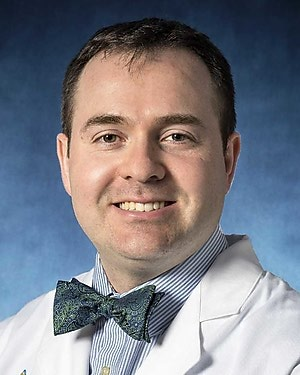
Eric McCollum Lab
Research in the Eric McCollum Lab focuses on pediatric pulmonary medicine, particularly pulmonary diseases among children in undeveloped, low-resource countries. We are taking part in the IMPACT trial, which looks at the impact of bubble continuous positive airway pressure (bCPAP) on the mortality of Malawian children with pneumonia.
-
Eric Nuermberger Lab
Research in the Eric Nuermberger Lab focuses primarily on experimental chemotherapy for tuberculosis. We use proven murine models of active and latent tuberculosis infection to assess the effectiveness of novel antimicrobials. A key goal is to identify new agents to combine with existing drugs to shorten tuberculosis therapy or enable less frequent drug administration. We're also using a flow-controlled in vitro pharmacodynamic system to better understand the pharmacodynamics of drug efficacy and the selection of drug-resistant mutants during exposure to current agents.
-
Erica Johnson Lab
Research in the Erica Johnson Lab investigates infection control in military deployment environments as well as infections that are associated with combat trauma. We explore topics such as HIV outcomes, gender-based health issues and disparities in care.
-
Erika Matunis Laboratory
The Erika Matunis Laboratory studies the stem cells that sustain spermatogenesis in the fruit fly Drosophila melanogaster to understand how signals from neighboring cells control stem cell renewal or differentiation. In the fruit fly testes, germ line stem cells attach to a cluster of non-dividing somatic cells called the hub. When a germ line stem cell divides, its daughter is pushed away from the hub and differentiates into a gonialblast. The germ line stem cells receive a signal from the hub that allows it to remain a stem cell, while the daughter displaced away from the hub loses the signal and differentiates. We have found key regulatory signals involved in this process. We use genetic and genomic approaches to identify more genes that define the germ line stem cells' fate. We are also investigating how spermatogonia reverse differentiation to become germ line stem cells again.
-
Espenshade Lab
The Espenshade Lab uses a multi-organismal and multidisciplinary approach to understand how eukaryotic cells measure insoluble lipids and dissolved gases. We have chosen cholesterol and oxygen as our model molecules, based on their essential roles in cell function and the importance of their proper homeostasis for human health. -
Esther Oh Lab
The Esther Oh Lab is interested in developing biological markers for pre-clinical stages of Alzheimer's disease (AD). Our current research involves using transgenic models of AD to develop peripheral injections of monoclonal antibodies against amyloid-beta as a tool to detect a level of amyloid-beta that would be correlative to the amyloid-beta level in the brain.
-
Eugene Shenderov Laboratory
The Shenderov Lab focuses on the elucidation of the mechanisms of immune response and resistance to immunotherapy in Prostate Cancer. This has led to clinical and basic research investigating the presumptive checkpoint inhibitor B7-H3. In pursuit of understanding biomarkers or resistance and response, and regulatory molecules of immune response, we utilize artificial intelligence, immunogenomics, and spatial proteomics and transcriptomics in the laboratory and at the bedside using clinical trial correlative samples. -
Eun Ji Shin Lab
Research interests in the Eun Ji Shin Lab include clinical research on obesity and the effect on GI neoplasia/malignancy.
-
Faria Lab
Andreia Faria's Laboratory focuses on investigating brain functions using MRIs. We develop and apply methods for processing and analyzing diverse MRI modalities in order to characterize distinctive brain patterns and to study multiple conditions, including neurodegenerative diseases, psychiatric disorders, and stroke. We use artificial intelligence to develop tools for brain MRI segmentation and quantification, promoting the means to perform reliable and reproducible translational research.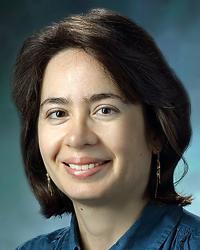
-
Felipe Andrade Laboratory
Research in the laboratory of Felipe Andrade, M.D., Ph.D., focuses on the mechanisms of systemic autoimmune diseases, particularly as they relate to the role of cytotoxic granule proteases in autoimmunity and viral clearance, mechanisms of autoantigen citrullination and pathways that control immune effector functions in autoimmune diseases. We currently focus on two principal areas: (1) defining the mechanisms that generate citrullinated autoantigens in vivo in rheumatoid arthritis and (2) understanding the pathways that control the activity of the peptidylarginine deiminase (PAD) enzymes in human neutrophils.