
Research Lab Results
-
Daniel Nyhan Lab
The Daniel Nyhan Lab studies vascular changes that accompany aging to determine the underlying causes and find ways to reverse the process. One goal of our research is to identify the factors that cause vascular stiffness. Our hope is that our work in vascular biology will lead to new ways to improve vascular compliance and thereby improve cardiovascular function and perioperative risk.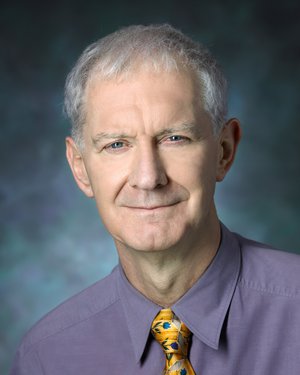
-
Daniel Weinberger Laboratory
The Daniel Weinberger Laboratory focuses on the neurobiological mechanisms of genetic risk for developmental brain disorders. We study the genetic regulation of the transcriptome in normal human brain across the human life span and in brains from patients with various psychiatric disorders. We also study the impact of genetic variation on aspects of human brain development and function linked with risk for schizophrenia and related psychiatric disorders. Our lab uses unique molecular and clinical datasets and biological materials from a large sample of families with affected and unaffected offspring and normal volunteers. These datasets include DNA, lymphoblast and fibroblast cell lines, and extensive quantitative phenotypes related to genetic risk for schizophrenia, including detailed cognitive assessments and various neuroimaging assays. In other research, we are working on a human brain transcriptome project that is RNA sequencing over 1,000 human brain samples in various regions and based also on sorting of specific celliular phentypes. We are exploring the molecular processing of the gene and its implications for cognition and aspects of human temperament. -
Dara Kraitchman Laboratory
The Dara Kraitchman Laboratory focuses on non-invasive imaging and minimally invasive treatment of cardiovascular disease. Our laboratory is actively involved in developing new methods to image myocardial function and perfusion using MRI. Current research interests are aimed at determining the optimal timing and method of the administration of mesenchymal stem cells to regenerate infarcted myocardium using non-invasive MR fluoroscopic delivery and imaging. MRI and radiolabeling techniques include novel MR and radiotracer stem cell labeling methods to determine the location, quantity and biodistribution of stem cells after delivery as well as to noninvasively determine the efficacy of these therapies in acute myocardial infarction and peripheral arterial disease. Our other research focuses on the development of new animal models of human disease for noninvasive imaging studies and the development of promising new therapies in clinical trials for companion animals.
-
David Celentano Lab
The David Celentano Lab studies behavioral and social epidemiology by integrating behavioral science theory and research with epidemiology methods. Our team directs epidemiological investigations and stages preventive interventions targeting HIV/AIDS and other sexually transmitted infections.
-
David Dowdy Lab
The David Dowdy Lab conducts research in the field of infectious disease epidemiology. We use an interdisciplinary approach that involves infectious disease modeling, health economics, classical epidemiology, and operational and implementation science. Much of our work explores the diagnosis and treatment of tuberculosis. We also have a longstanding interest in “translational epidemiology,” with a goal of developing methods to help medical professionals who use epidemiological data make decisions that are in the best interest of patients and public health.
-
David Graham Lab
The David Graham Lab studies the consequences of HIV interactions with the immune system, the resulting pathogenesis and how to sabotage these interactions. We apply advanced technologies like mass spectrometry to dissect processes at the molecular level. We are also actively involved in cardiovascular research and studies the ways proteins are organized into functional units in different cell types of the heart. Major projects in our lab are organized into three major areas: (1) H/SIV pathogenesis and neuropathogenesis, (2) Cardiovascular disease, and (3) High technology development -
David Hager Lab
Research in the David Hager Lab focuses on critical care medicine. Recent studies includes an analysis of advances in the management of the acute respiratory distress syndrome (ARDS) and the development of a targeted real-time early warning score predicting septic shock. Other interests include ventilator-induced lung injury and high-frequency ventilation.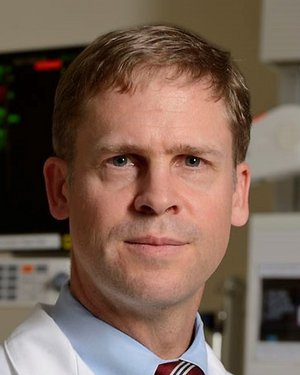
-
David Linden Lab
The David Linden Laboratory has used both electrode and optical recording in cerebellar slice and culture model systems to explore the molecular requirements for induction and expression of these phenomena. Along the way, we discovered a new form of plasticity. In addition, we have expanded our analysis to include use-dependent synaptic and non-synaptic plasticity in the cerebellar output structure, the deep nuclei. Our investigations are central to understanding the cellular substrates of information storage in a brain area where the behavioral relevance of the inputs and outputs is unusually well defined. In addition, our investigations have potential clinical relevance for cerebellar motor disorders and for disorders of learning and memory generally.
-
David MacGlashan Laboratory
Research in the Donald MacGlashan Laboratory aims to understand the regulation of secretion from human basophils and mast cells—two cells thought to play key roles in allergic reactions and other diseases. The hallmark reaction in these cells is degranulation through cell-bound IgE. Our interests lie in the signaling mechanisms that control this dramatic cell response and the factors that regulate the degree of the reaction. -
David Moller Lab
Research in the David Moller Lab focuses on sarcoidosis, a potentially fatal inflammatory disease characterized by tiny clumps of inflammatory cells that scar the lungs, lymph nodes, skin and other major organs. We’re currently involved in a clinical trial related to genomic research in sarcoidosis and a clinical trial related to genomic research in Alpha-1 antitrypsin deficiency. Previously, we led a project that identified a potential protein trigger responsible for sarcoidosis.