Research Lab Results
-
Cardiovascular Analytical Intelligence Initiative (CV-Ai2)
Among the hundreds of predictive models developed for cardiovascular disease, less than one-tenth of 1% actually end up routinely used in clinical practice. CV-Ai2 uses data from clinical practice and analytic intelligence to solve clinical problems and create solutions that can be applied in real-world patient care. -
Cardiovascular Stem Cell Program
The research program aims to advance cardiovascular biology and medicine by focusing on pluripotent stem cell-based modeling and therapy and by nurturing future leaders in regenerative medicine. -
Paul Ladenson Lab
The Paul Ladenson Lab studies the application of thyroid hormone analogues for treating cardiovascular disease; novel approaches to thyroid cancer diagnosis and management; and the health economic analyses related to thyroid patient care.
-
Pluznick Lab
The Pluznick Lab is interested in the role that chemosensation plays in regulating physiological processes, particularly in the kidney and the cardiovascular system. We have found that sensory receptors (olfactory receptors, taste receptors, and other G-protein coupled receptors) are expressed in the kidney and in blood vessels, and that individual receptors play functional roles in whole-animal physiology. We are currently working to identify the full complement of sensory receptors found in the kidney, and are working to understand the role that each receptor plays in whole-animal physiology by using a variety of in vitro (receptor localization, ligand screening) and in vivo (whole-animal physiology) techniques. -
Post Lab
The Post Lab is involved in the Multi-Ethnic Study of Atherosclerosis (MESA), a collaborative study of the characteristics of subclinical cardiovascular disease (that is, disease detected non-invasively before it has produced clinical signs and symptoms) and the risk factors that predict progression to clinically overt cardiovascular disease or progression of the subclinical disease. As MESA researchers, we study a diverse, population-based sample of 6,814 asymptomatic men and women aged 45-84. Approximately 38 percent of the recruited participants are white, 28 percent African-American, 22 percent Hispanic, and 12 percent Asian, predominantly of Chinese descent. Participants were recruited from six field centers across the United States, including Johns Hopkins University. Each participant received an extensive physical exam to determine a number of conditions, including coronary calcification, ventricular mass and function, flow-mediated endothelial vasodilation, standard coronary risk factors, sociodemographic factors, lifestyle factors, and psychosocial factors. Selected repetition of subclinical disease measures and risk factors at follow-up visits have allowed study of the progression of disease. Participants are being followed for identification and characterization of cardiovascular disease events, including acute myocardial infarction and other forms of coronary heart disease (CHD), stroke, and congestive heart failure; for cardiovascular disease interventions; and for mortality. Wendy S. Post, MD, MS, is an associate faculty, Welch Center for Prevention, Epidemiology, and Clinical Research, Johns Hopkins University, and a professor of medicine.
-
The Atlantic Cardiovascular Patient Outcomes Research Team - Atlantic C-PORT
Our research is centered on the safety, efficacy and outcomes of PCI performed at hospitals without on-site cardiac surgery. Active projects: C-PORT Randomized Studies and Registries; New Jersey Angioplasty Demonstration Project; InCar-decision support tools for performance of PCI at hospitals without on-site cardiac surgery. -
Josef Coresh Lab
Research in the Josef Coresh Lab focuses on cardiovascular epidemiology, kidney disease and genetic epidemiology. Our team uses innovative methods to quantify disease burden and consequences in the population; studies the causes and consequences of vascular disease in the heart, kidneys and brain; and works to develop a strong scientific basis for quantifying the burden, causes and consequences of kidney disease. Working in collaboration with leading laboratories and specialists, we also aim to quantify the interplay of genes and environment in health and disease. -
Jochen Steppan Lab
Research in the Jochen Steppan Lab primarily focused on vascular stiffness related to aging. We are currently researching LOXL2 (lysine-oxidase-like-2), which might be intimately involved in the development or progression of vascular stiffness. We aim to better understand LOXL2's role in the vasculature and hope that this work leads to the characterization of a novel therapeutic target. This is important in the treatment of cardiovascular diseases in the aging population.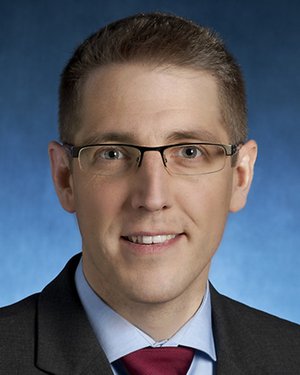
-
J. Hunter Young Lab
Research in the J. Hunter Young Lab focuses on the genetic epidemiology and physiology of cardiovascular disease and its risk factors, especially hypertension, diabetes and obesity. Current activities include an observational study of hypertension among African Americans; a genetic epidemiology study of worldwide cardiovascular disease susceptibility patterns; and several population-based observational studies of cardiovascular and renal disease. A recent focus group study found that changes in housing and city policies might lead to improved environmental health conditions for public housing residents.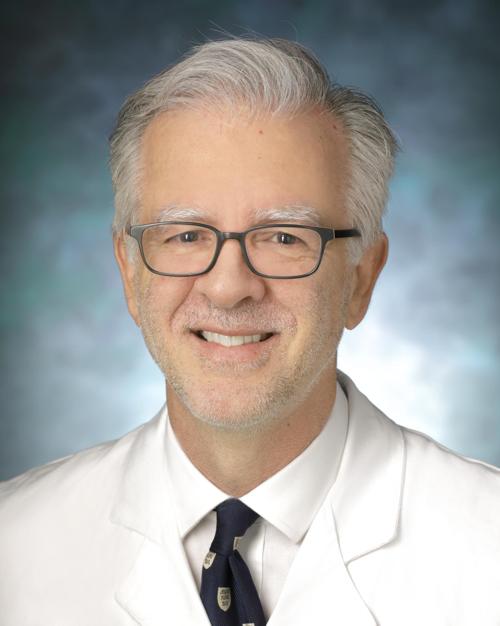
-
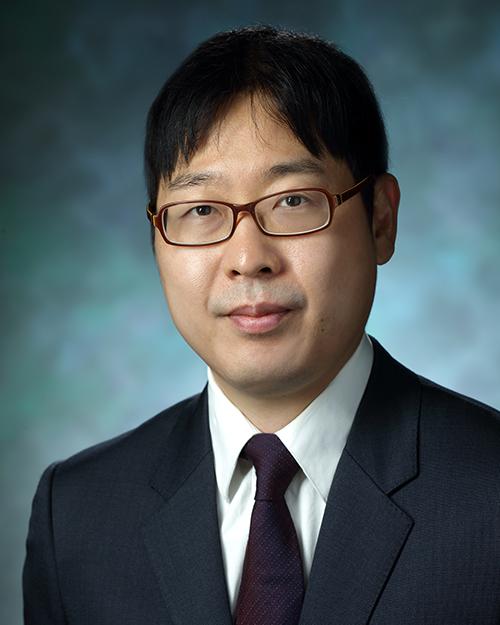
Chulan Kwon Laboratory
The C. Kwon Lab studies the cellular and molecular mechanisms governing heart generation and regeneration. The limited regenerative capacity of the heart is a major factor in morbidity and mortality rates: Heart malformation is the most frequent form of human birth defects, and cardiovascular disease is the leading cause of death worldwide. Cardiovascular progenitor cells hold tremendous therapeutic potential due to their unique ability to expand and differentiate into various heart cell types. Our laboratory seeks to understand the fundamental biology and regenerative potential of multi-potent cardiac progenitor cells – building blocks used to form the heart during fetal development — by deciphering the molecular and cellular mechanisms that control their induction, maintenance, and differentiation. We are also interested in elucidating the maturation event of heart muscle cells, an essential process to generate adult cardiomyocytes, which occurs after terminal differentiation of the progenitor cells. We believe this knowledge will contribute to our understanding of congenital and adult heart disease and be instrumental for stem cell-based heart regeneration. We have developed several novel approaches to deconstruct the mechanisms, including the use of animal models and pluripotent stem cell systems. We expect this knowledge will help us better understand heart disease and will be instrumental for stem-cell-based disease modeling and interventions for of heart repair. Dr. Chulan Kwon is an assistant professor of medicine at the Johns Hopkins University Heart and Vascular Institute.