
Research Lab Results
-
Douglas Ball Lab
The Douglas Ball Lab conducts clinical trials and pre-clinical laboratory studies of thyroid cancer. Our clinical trials, performed in collaboration with research staff in the upper aero-digestive group in the Sidney Kimmel Comprehensive Cancer Center, have included protocols for advanced radioiodine-refractory differentiated thyroid cancer and medullary thyroid cancer. Our pre-clinical research, conducted with Dr. Nelkin, Dr. Agrawal and other Kimmel Cancer Center researchers, includes pathogenesis and mechanisms of treatment resistance in medullary thyroid cancer, and pathogenesis and immune-directed therapy of anaplastic thyroid cancer.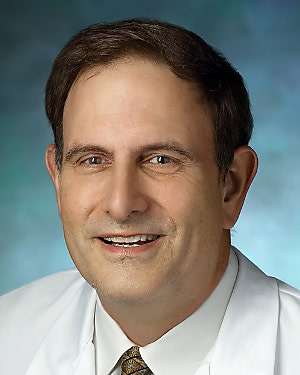
-
Brent Petty Lab
Dr. Petty's laboratory interests focuses on antimicrobial chemotherapy, hospital-based medical practices, and internal medicine collaboration with ophthalmologic clinical trials.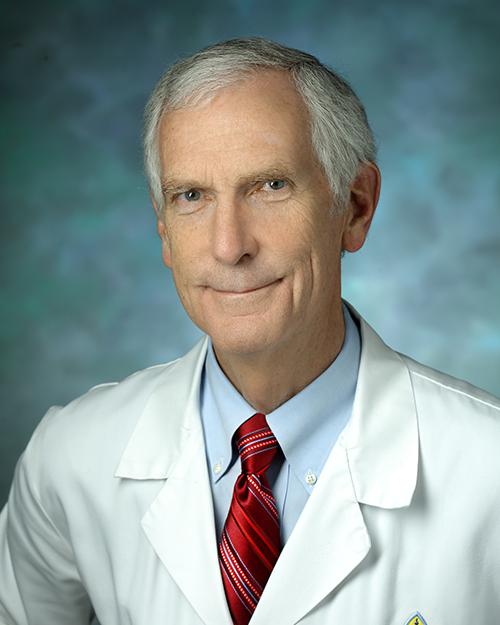
-
David Thompson Lab
Researchers in the David Thompson Lab examine the outcomes of patients treated in intensive care units (ICUs), patient safety efforts, quality improvement efforts, and multidisciplinary teamwork and safety curriculum development. We're taking part in a study aimed at reducing hospital-acquired infections among cardiovascular surgery patients. Our investigators also participated in a clinical research collaboration that saw an 81 percent reduction in bloodstream infections related to central lines.
-
Daniel Ford Lab
Research in the Daniel Ford Lab seeks to understand the relationships between depression and various chronic medical conditions. Recently, we've focused on depression and coronary artery disease as well as tactics for improving care for patients with medical comorbidity. Our research was among the first to document depression as a risk factor for myocardial infarction and stroke. Our team is also interested in exploring how information technology can be used to improve the care of patients with depression and tobacco abuse.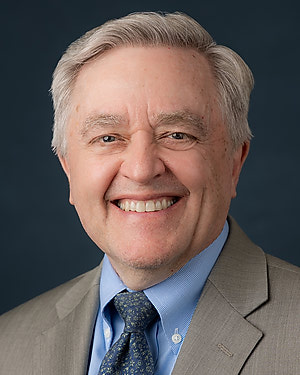
-
Biophotonics Imaging Technologies (BIT) Laboratory
Research in the Biophotonics Imaging Technologies (BIT) Laboratory focuses on developing optical imaging and nano-biophotonics technology to reduce the random sampling errors in clinical diagnosis, improve early disease detection and guidance of biopsy and interventions, and improve targeted therapy and monitoring treatment outcomes. The imaging technologies feature nondestructiveness, unique functional and molecular specificity, and multi-scale resolution (from organ, to architectural morphology, cellular, subcellular and molecular level). The nano-biophotonics technologies emphasize heavily on biocompatibility, multi-function integration and fast track clinical translation. These imaging and nano-biophotonics technologies can also be potentially powerful tools for basic research such as for drug screening, nondestructive assessment of engineered biomaterials in vitro and in vivo, and for studying brain functions on awake animals under normal or controlled social conditions. -
David Graham Lab
The David Graham Lab studies the consequences of HIV interactions with the immune system, the resulting pathogenesis and how to sabotage these interactions. We apply advanced technologies like mass spectrometry to dissect processes at the molecular level. We are also actively involved in cardiovascular research and studies the ways proteins are organized into functional units in different cell types of the heart. Major projects in our lab are organized into three major areas: (1) H/SIV pathogenesis and neuropathogenesis, (2) Cardiovascular disease, and (3) High technology development -
Best Laboratory
The Best Laboratory focus on therapeutic vaccine development for HPV-related diseases by developing a murine model of papilloma analogous to Recurrent Respiratory Papillomatosis (RRP) for testing of DNA vaccine technology. We also work to understand the immunosuppressive tumor microenvironment that facilitates RRP development, and translate this work into novel therapies and clinical practice.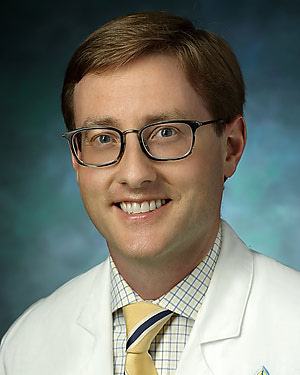
-
David Sack Lab
Research in the David Sack Lab focuses on enteric infections. Our team has worked to develop laboratory detection methods to better understand the epidemiology of these agents. We also work to create appropriate clinical management strategies, such as antibiotics and rehydration methods, for enteric infections. Our work has included participating in the development of vaccines for a range of bacterial infections, including rotavirus, cholera and enterotoxigenic E. coli. -
Dara Kraitchman Laboratory
The Dara Kraitchman Laboratory focuses on non-invasive imaging and minimally invasive treatment of cardiovascular disease. Our laboratory is actively involved in developing new methods to image myocardial function and perfusion using MRI. Current research interests are aimed at determining the optimal timing and method of the administration of mesenchymal stem cells to regenerate infarcted myocardium using non-invasive MR fluoroscopic delivery and imaging. MRI and radiolabeling techniques include novel MR and radiotracer stem cell labeling methods to determine the location, quantity and biodistribution of stem cells after delivery as well as to noninvasively determine the efficacy of these therapies in acute myocardial infarction and peripheral arterial disease. Our other research focuses on the development of new animal models of human disease for noninvasive imaging studies and the development of promising new therapies in clinical trials for companion animals.
-
Daniel Weinberger Laboratory
The Daniel Weinberger Laboratory focuses on the neurobiological mechanisms of genetic risk for developmental brain disorders. We study the genetic regulation of the transcriptome in normal human brain across the human life span and in brains from patients with various psychiatric disorders. We also study the impact of genetic variation on aspects of human brain development and function linked with risk for schizophrenia and related psychiatric disorders. Our lab uses unique molecular and clinical datasets and biological materials from a large sample of families with affected and unaffected offspring and normal volunteers. These datasets include DNA, lymphoblast and fibroblast cell lines, and extensive quantitative phenotypes related to genetic risk for schizophrenia, including detailed cognitive assessments and various neuroimaging assays. In other research, we are working on a human brain transcriptome project that is RNA sequencing over 1,000 human brain samples in various regions and based also on sorting of specific celliular phentypes. We are exploring the molecular processing of the gene and its implications for cognition and aspects of human temperament.