
-
Matthew Robinson, MD
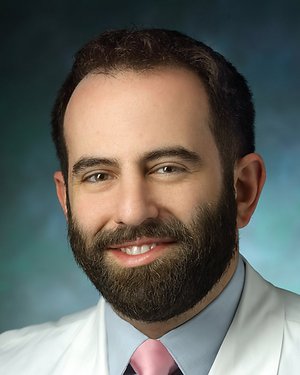
Expertise: Infectious Diseases
Primary Location: The Johns Hopkins Hospital, Baltimore, MD
-
Christopher Mecoli, MD MHS
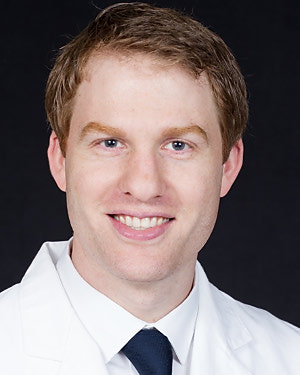
Expertise: Rheumatology
Primary Location: Johns Hopkins Bayview Medical Center, Baltimore, MD
Osler Data Science Residency Track

The Osler Data Science Residency Track is designed to prepare participants for a career in data science, focusing on research, analytics, machine learning, and data engineering. The program offers a structured pathway with hands-on experience and mentorship to develop the key skills required in modern data science roles. Through a combination of training, mentorship, and project-based learning, residents will gain skills in data analytics, machine learning, data engineering, and research.
Core Domains
Upon completion of the Data Science Track, participants will have developed skills in the following 7 core domains:
- Data Analytics & Visualization: Analyze data, create visualizations, and provide actionable insights.
- Machine Learning & Statistical Modeling: Develop and implement machine learning models for various data challenges.
- Data Engineering & Infrastructure: Design and maintain scalable data pipelines and manage data storage.
- Research & Scholarly Work: Conduct data science research, contribute to publications, and present findings.
- Communication & Presentation: Effectively communicate data insights to both technical and non-technical stakeholders.
- Collaboration & Leadership: Lead and collaborate on data-driven projects and mentor junior team members.
- Career Development:Build a professional portfolio and expand your network within the data science community.
Pathway Structure
- JAR Year: Intensive boot camp to build foundational skills in programming, data analysis, and machine learning.
- Monthly meetings with mentoring team and track cohort to maintain project momentum
- SAR Year: Engage in electives, collaborative projects, and receive mentorship from data science professionals.
- Monthly meetings with mentoring team and track cohort to maintain project momentum
How to Apply
Requests for applications are distributed each January via email. Please reach out to the pathway director with questions.
Leadership

Benjamin Martin, PhD

Haeun Lee, PhD
