
Featured Story Big Plans for Brady Research
Seeking answers in the Brady's unrivaled trove of patient data to help patients at every stage of disease.
 Winter 2026
A Publication of the Patrick C. Walsh Prostate Cancer Research Fund at the Brady Urological Institute
Seeking answers in the Brady's unrivaled trove of patient data to help patients at every stage of disease.

The HOXB13 X285K mutation, found mainly in men of West African descent, relies heavily on male hormones – which makes it more vulnerable to hormonal therapy.
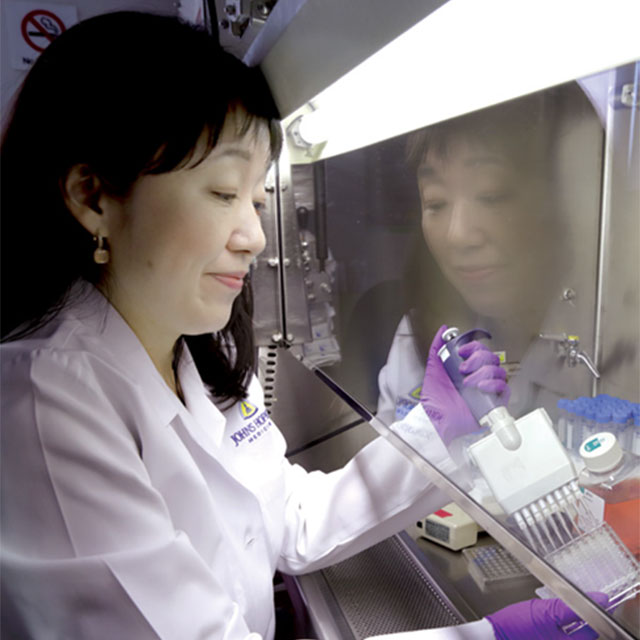
A comprehensive study of a man's difficult-to-treat prostate cancer found a new way to help him.

Discovery has a new Editor-in-Chief: Nirmish Singla, M.D., M.Sc. He is the second to hold this position, after Patrick C. Walsh, M.D.

Larger tumor size, particularly above 2.9 cm, was associated with increased growth rate and the eventual need for treatment.

The Prostate SPORE Program aims to turn laboratory discoveries into new treatments to help men fighting advanced prostate cancer.

"SBRT has emerged as an effective nonsurgical option for patients with early-stage RCC," says radiation oncologist Curtiland Deville, M.D.

Patients with tRCC who combined two different types of therapy had a better response and better disease control.

Nectin-4 is commonly present in prostate tissue, but a lot more of it is expressed in cancer than in normal cells.

Clinical insight, advanced testing, and tenacity are critical in pinning down the diagnosis, especially since these tumors "respond remarkably well to chemotherapy when diagnosed and treated in time."

"We found that diabetes significantly increases the risk of developing metabolic acidosis after undergoing radical cystectomy."

"The results were clear. Patients in the ERAS group felt significantly better, reporting higher quality of recovery, less pain, fewer urinary issues, and less incontinence the day after surgery."

Higher-grade, more advanced cancer contained more FAP, suggesting its potential role as an indicator of tumor aggressiveness.

The GBCI studies and treats all forms of bladder and upper urinary tract cancers, from the most common to the rarest forms.

Investigators led by Claire de la Calle, M.D., and Christian Pavlovich, M.D., found that men with family history of prostate cancer face a higher risk of cancer progression.

Molecular geneticist William Isaacs explains PARP inhibitors that are effective in cancers with this kind of genetic damage.
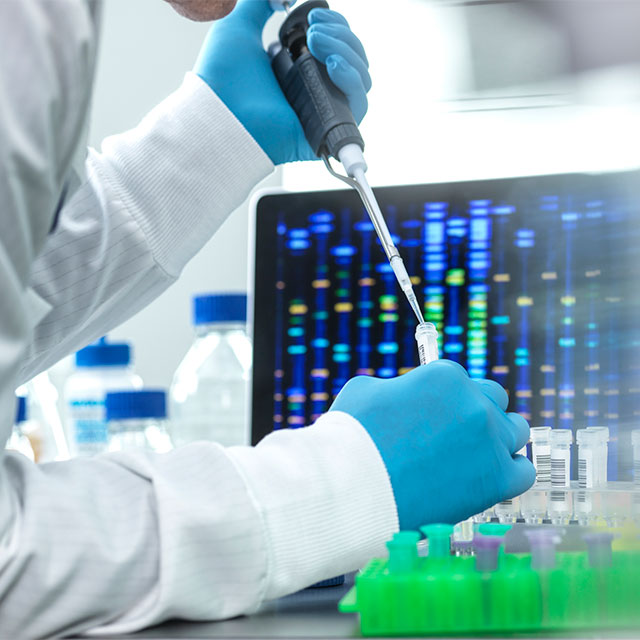
CRM1 is an important linchpin that keeps the wheel of advanced prostate cancer turning. A drug called Selinexor, already approved for treating other cancers, targets it.

Brady resident Michelle Higgins discusses a study she was a part of that that uses urine testing to boost bladder cancer detection.

Johns Hopkins researchers find two potential targets for treating an aggressive form of bladder cancer.
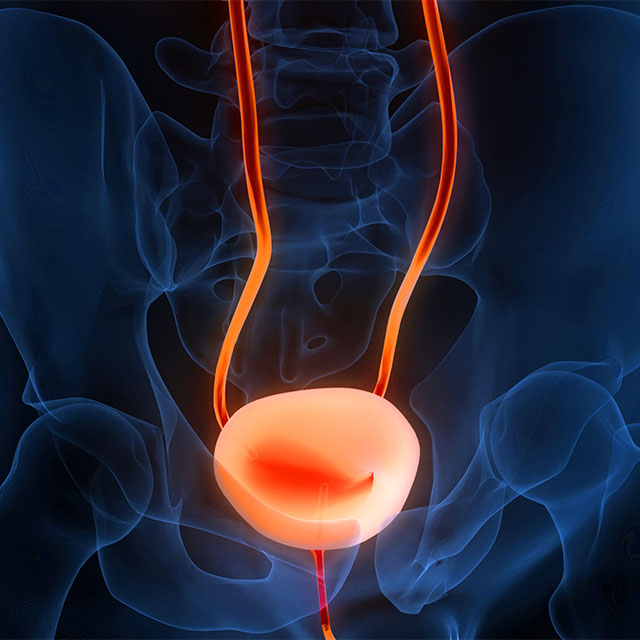
A study by Ezra Baraban, M.D., and colleagues reveals a mystery that involves a highly aggressive variant of bladder cancer.

A study uncovered new candidate microRNA biomarkers capable of distinguishing among testicular cancer types.
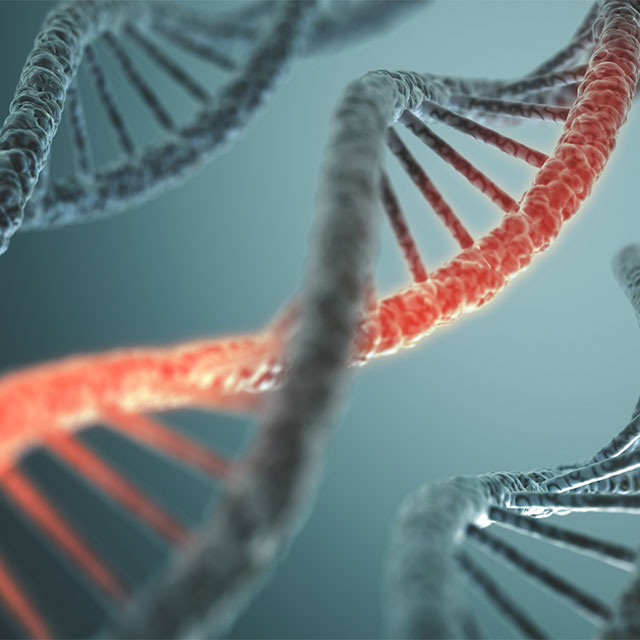
A new study shows that there are distinct molecular subtypes that could affect the course of the clear-cell renal cell carcinoma and response to treatment.

"Our findings showed a significant benefit in progression-free survival with the addition of Sacituzumab chemotherapy to Avelumab maintenance."

"miR-21 may help create an environment that allows tumors to evade immune detection, which could facilitate unchecked growth."

In a time of uncertain federal funding for medical research, "there's a need now for philanthropy that we haven't had before."
