

Angel W. Hernandez-Mulero, MD
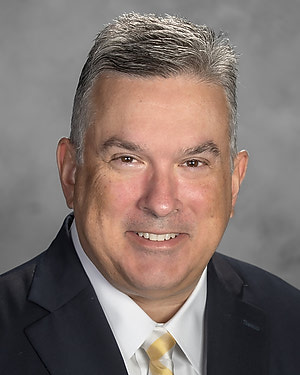
- Associate Professor of Clinical Neurology
Expertise: Pediatric Neurology
Primary Location: Johns Hopkins All Children's Outpatient Care, St. Petersburg, Saint Petersburg, FL
Johns Hopkins All Children’s Pediatric Epilepsy Fellowship is a one-year program that combines innovative clinical training with collaborative, multidisciplinary education. Our mission is to prepare the next generation of pediatric epileptologists with the clinical expertise, scholarly skills and leadership needed to advance care for children with epilepsy.
Housed within the Hough Family Institute for Brain Protection Services, our team provides comprehensive epilepsy diagnostic and treatment services, including the region’s only wireless epilepsy monitoring unit, busy epilepsy surgery program, neuromodulation: responsive neurostimulation, deep brain stimulation and vagus nerve stimulation, dietary therapy management program, and long-term antiseizure medication care. Training emphasizes close mentorship with pediatric epilepsy faculty, a structured education curriculum, and protected time for scholarly activity and competency-based assessment. Fellows assume primary roles in patient care while working closely with faculty and with advanced practice providers, residents, nurses, pharmacists, EEG technologists, neuropsychologists, social workers and care coordinators. The fellow will lead family-centered rounds and epilepsy case conferences. Faculty will teach evidence-based approaches to diagnosis, evaluation and treatment of children with epilepsy.
One fellow is accepted each year into an individualized learning pathway tailored to academic, research, or clinical career goals. Fellows train in one of the nation’s busiest pediatric epilepsy practices, more than 1,000 new patients annually, and collaborate closely with a large pediatric neurosurgery program and the University of South Florida (USF) Adult Epilepsy program. Aligned with Johns Hopkins All Children’s institutional priorities, to lead with trust, cultivate healthy communities, simplify access, and drive innovation, the fellowship expands outpatient access through fellow-run clinics supervised by faculty, addresses regional workforce needs, and strives to be a national model for recruiting, training and retaining a diverse workforce that reflects the families we serve. We are proud to offer the only pediatric epilepsy fellowship program in Florida.
At Johns Hopkins All Children’s, medical education is about more than training — it’s about mentorship, collaboration, and creating the best environment for children and those who care for them.
Expertise: Pediatric Neurology
Primary Location: Johns Hopkins All Children's Outpatient Care, St. Petersburg, Saint Petersburg, FL
The program’s didactic series is designed to deepen the fellow’s knowledge of epilepsy pathophysiology, treatment options, and emerging research, laying the foundation for advanced clinical practice. To support the fellow’s educational activities, the fellow is excused from clinical duties during didactics. An overview of the didactic series is as follows:
During the fellowship, the fellow will participate in ongoing research projects or quality improvement and patient safety initiatives. Additional scholarly activities may include systematic reviews, meta-analyses, review articles, case reports, development of curricula or evaluation tools, creation of didactic or electronic educational materials, and contributions to professional committees, educational organizations, or editorial boards.
St. Petersburg, Florida, is part of the thriving and diverse Tampa Bay area with easy access to Gulf Coast beaches, big-league sports (Tampa Bay Buccaneers football, Tampa Bay Rays baseball, Tampa Bay Lightning hockey and Tampa Bay Rowdies men’s and Tampa Bay Sun women’s soccer), renowned museums (Salvador Dali Museum, St. Petersburg Museum of Fine Arts and Tampa Museum of Art), performing arts (the Mahaffey Theater, Ruth Eckerd Hall, the Straz Center for the Performing Arts), international airports (Tampa International Airport, St. Petersburg-Clearwater International Airport) and family-friendly theme parks (Busch Gardens Tampa, Disney World, Universal Studios Florida and SeaWorld Orlando). Learn more about the Tampa Bay area.
1-year
Prior to appointment in the program, fellows must have successfully completed a program in child neurology.
Applicants must meet eligibility criteria for this fellowship program including:
Complete an ERAS application. This position is filled through the National Resident Matching Program.