Research Lab Results
-
Mollie Meffert Lab
The Mollie Meffert Lab studies mechanisms underlying enduring changes in brain function. We are interested in understanding how programs of gene expression are coordinated and maintained to produce changes in synaptic, neuronal and cognitive function. Rather than concentrating on single genes, our research is particularly focused on understanding the upstream processes that allow neuronal stimuli to synchronously orchestrate both up and down-regulation of the many genes required to mediate changes in growth and excitation. This process of gene target specificity is implicit to the appropriate production of gene expression programs that control lasting alterations in brain function. -
The Halushka Lab
The Halushka laboratory is interested in the overarching question of expression localization in tissues. To address this, the laboratory has set out upon several avenues of discovery in the areas of microRNA expression, proteomics and tissue gene expression. Many of these queries relate to the cardiovascular field as Dr. Halushka is a cardiovascular pathologist. Come learn about the science being done in the laboratory. -
Ryuya Fukunaga Lab
The Fukunaga Lab uses multidisciplinary approaches to understand the cell biology, biogenesis and function of RNA-binding proteins and small silencing RNAs from the atomic to the organismal level. The lab studies (1) biology and molecular functions and mechanisms of uncharacterized RNA-binding proteins, and (2) how small silencing RNAs, including microRNAs (miRNAs), small interfering RNAs (siRNAs) and piwi-interacting RNAs (piRNAs), are produced and function. Mutations in the RNA-binding protein and small RNA genes cause many diseases, including cancers. We use a combination of biochemistry, Drosophila genetics, molecular biology, cell culture, and next-generation sequencing, to answer fundamental biological questions and also potentially lead to therapeutic applications to human diseases. -
Li Gao Lab
The Li Gao Lab researches functional genomics, molecular genetics and epigenetics of complex cardiopulmonary and allergic diseases, with a focus on translational research applying fundamental genetic insight into the clinical setting. Current research includes implementation of high-throughput technologies in the fields of genome-wide association studies (GWAS), massively parallel sequencing, gene expression analysis, epigenetic mapping and integrative genomics in ongoing research of complex lung diseases and allergic diseases including asthma, atopic dermatitis (AD), pulmonary arterial hypertension, COPD, sepsis and acute lung injury/ARDS; and epigenetic contributions to pulmonary arterial hypertension associated with systemic sclerosis.
-
Seth Blackshaw Lab
The Seth Blackshaw Lab uses functional genomics and proteomics to rapidly identify the molecular mechanisms that regulate cell specification and survival in both the retina and hypothalamus. We have profiled gene expression in both these tissues, from the start to the end of neurogenesis, characterizing the cellular expression patterns of more than 1,800 differentially expressed transcripts in both tissues. Working together with the lab of Heng Zhu in the Department of Pharmacology, we have also generated a protein microarray comprised of nearly 20,000 unique full-length human proteins, which we use to identify biochemical targets of developmentally important genes of interest. -
The Laboratory for Precision Immunology
We are devoted to developing and deploying cutting edge technologies that can be used to define human immune responses. Much of our work leverages ‘next generation’ DNA sequencing, which enables massively parallel molecular measurements. Examples of our technologies include: - bacteriophage display of synthetic peptidome libraries for comprehensive, quantitative profiling of antibodies; - display of ORFeome libraries for antigen discovery, protein-protein interaction studies, and drug target identification; - ultrasensitive, multiplex RNA quantification techniques to monitor gene expression and detect microbes; - pooled genetic screening to elucidate immune cell function and identify new therapeutic targets. The Larman Laboratory uses these and other approaches to identify opportunities for monitoring and manipulating immune responses. -
Joel Pomerantz Laboratory
The Pomerantz Laboratory studies the molecular machinery used by cells to interpret extracellular signals and transduce them to the nucleus to affect changes in gene expression. The accurate response to extracellular signals results in a cell's decision to proliferate, differentiate or die, and it's critical for normal development and physiology. The dysregulation of this machinery underlies the unwarranted expansion or destruction of cell numbers that occurs in human diseases like cancer, autoimmunity, hyperinflammatory states and neurodegenerative disease. Current studies in the lab focus on signaling pathways that are important in innate immunity, adaptive immunity and cancer, with particular focus on pathways that regulate the activity of the pleiotropic transcription factor NF-kB.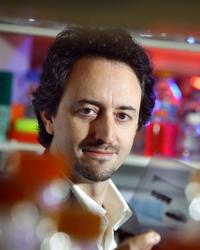
-
Saraswati Sukumar Lab
Our lab is focused on using comprehensive gene expression, methylation and sequencing and metabolomics analysis to identify alterations in breast cancer, and exploiting these for early detection and therapy. Among deferentially expressed genes, our lab has focused on the HOX genes. HOX genes are intimately involved in the development of resistance to both chemotherapy and to agents targeting the estrogen receptor. Our work explores the alternate pathways that are activated by HOX proteins leading to this resistance and novel treatments to overcome resistance in both tissue culture and xenograft models. In addition, epigenetically silenced genes and a metabolic reprogramming in tumors also trigger novel early detection and therapeutic strategies. We are testing the utility of differentiation therapy through reactivating RAR-beta in breast cancer using histone deacetylase inhibitors with great success. Also, we are targeting enzymes involved in gluconeogenesis and glycolysis with small molecule FDA-approved antimetabolites to achieve antitumor effects.
-
William B. Isaacs Laboratory
Prostate cancer is the most commonly diagnosed malignancy in men in the United States, although our understanding of the molecular basis for this disease remains incomplete. We are interested in characterizing consistent alterations in the structure and expression of the genome of human prostate cancer cells as a means of identifying genes critical in the pathways of prostatic carcinogenesis. We are focusing on somatic genomic alterations occurring in sporadic prostate cancers, as well as germline variations which confer increases in prostate cancer risk. Both genome wide and candidate gene approaches are being pursued, and cancer associated changes in gene expression analyses of normal and malignant prostate cells are being cataloged as a complementary approach in these efforts. It is anticipated that this work will assist in providing more effective methodologies to identify men at high risk for this disease, in general, and in particular, to identify new markers of prognostic and therapeutic significance that could lead to more effective management of this common disease. -
The Nauen Lab
Epilepsy affects 1-3% of the population and can have a profound impact on general health, employment and quality of life. Medial temporal lobe epilepsy (MTLE) develops in some patients following head injury or repeated febrile seizures. Those affected may first suffer spontaneous seizures many years after the initial insult, indicating that the neural circuit undergoes a slow pathologic remodeling over the interim. There are currently no methods of preventing the development of MTLE. It is our goal to better understand the process in order to slow, halt, and ultimately reverse it. Our laboratory draws on electrophysiology, molecular biology, and morphology to study the contribution of dysregulated neurogenesis and newborn neuron connectivity to the development of MTLE. We build on basic research in stem cell biology, hippocampal development, and synaptic plasticity. We work closely with colleagues in the Institute for Cell Engineering, Neurology, Neurosurgery, Biomedical Engineering, and Radiology. As physician neuropathologists our grounding is in tissue alterations underlying human neurologic disease; using human iPSC-derived neurons and surgical specimens we focus on the pathophysiological processes as they occur in patients. By understanding changes in cell populations and morphologies that affect the circuit, and identifying pathologic alterations in gene expression that lead to the cell-level abnormalities, we hope to find treatment targets that can prevent the remodeling and break the feedback loop of abnormal activity > circuit change > abnormal activity.