Research Lab Results
-
Karakousis Lab
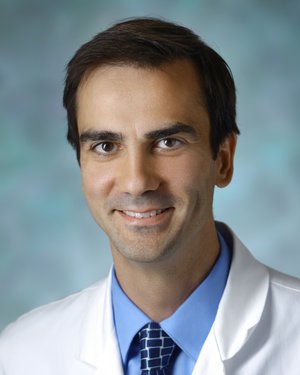
The Karakousis Lab is primarily focused on understanding the molecular basis of Mycobacterium tuberculosis persistence and antibiotic tolerance. A systems biology-based approach, including the use of several novel in vitro and animal models, in combination with transcriptional, proteomic, genetic, imaging, and computational techniques, is being used to identify host cytokine networks responsible for immunological control of M. tuberculosis growth, as well as M. tuberculosis regulatory and metabolic pathways required for bacillary growth restriction and reactivation. In particular, we are actively investigating the regulatory cascade involved in the mycobacterial stringent response. Another major focus of the lab is the development of host-directed therapies for TB, with the goal of shortening treatment and improving long-term lung function. Additional research interests include the development of novel molecular assays for the rapid diagnosis of latent TB infection and active TB disease, and for the detection of drug resistance. -
Laboratory for Computational Motor Control
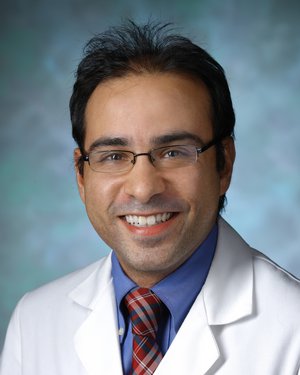
The Laboratory for computational Motor Control studies movement control in humans, including healthy people and people with neurological diseases. We use robotics, brain stimulation and neuroimaging to study brain function. Our long-term goals are to use mathematics to understand: 1) the basic function of the motor structures of the brain including the cerebellum, the basal ganglia and the motor cortex; and 2) the relationship between how our brain controls our movements and how it controls our decisions. -
Leucker Laboratory
The Leucker Laboratory is a translational cardiovascular research program dedicated to understanding the mechanisms underlying residual atherosclerotic cardiovascular disease risk and developing innovative strategies for cardiovascular prevention. Our work integrates human vascular biology, advanced cardiovascular imaging, epidemiology, and clinical trials to uncover the pathways linking inflammation, lipoproteins, endothelial dysfunction, and cardiometabolic disease to cardiovascular outcomes.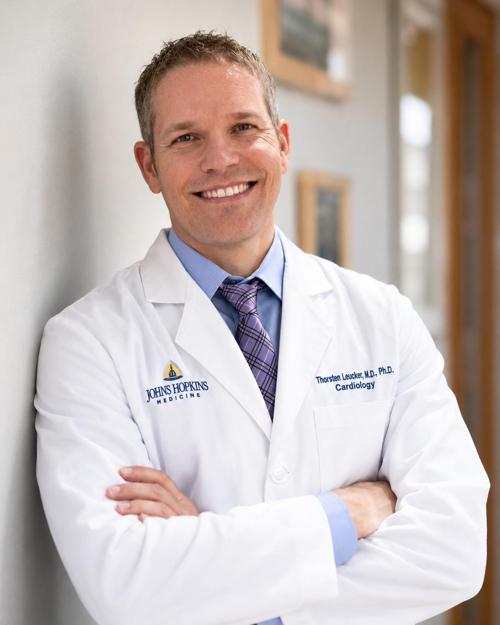
Principal Investigator
-
Nicholas Dalesio Lab
Research in the Nicholas Dalesio Lab is currently examining pre-surgical predictors of post-surgical respiratory complications in children with obstructive sleep apnea and sleep-disordered breathing; the impact of anesthesia and pharmacological agents on upper airway physiology; and techniques for pediatric airway imaging.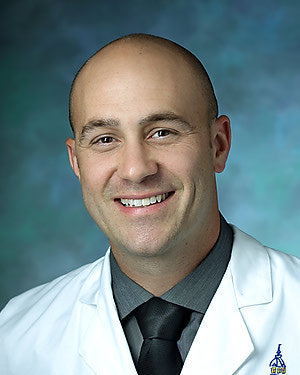
-
Neuro-Oncology Surgical Outcomes Laboratory
Directed by Debraj “Raj” Mukherjee, MD, MPH, the laboratory focuses on improving access to care, reducing disparities, maximizing surgical outcomes, and optimizing quality of life for patients with brain and skull base tumors.
The laboratory achieves these aims by creating and analyzing institutional and national databases, developing and validating novel patient-centered quality of life instruments, leveraging machine learning and artificial intelligence platforms to risk-stratify vulnerable patient populations, and designing novel surgical trials to push the boundaries of neurosurgical innovation.
Our research also investigates novel approaches to improve neurosurgical medical education including studying the utility of video-based surgical coaching and the design of new operative instrumentation.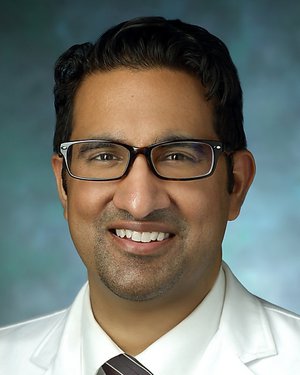
-
Nicholas Flavahan Lab
The Nicholas Flavahan Lab primarily researches the cellular interactions and subcellular signaling pathways that control normal vascular function and regulate the initiation of vascular disease. We use biochemical and molecular analyses of cellular mediators and cell signaling mechanisms in cultured vascular cells, while also conducting physiological assessments and fluorescent microscopic imaging of signaling systems in isolated blood vessels. A major component of our research involves aterioles, tiny blood vessles that are responsible for controlling the peripheral resistance of the cardiovascular system, which help determine organ blood flow. -
Vestibular and Ocular motor Research Laboratory
Our research is directed toward how the brain controls the movements of the eyes (including eye movements induced by head motion) using studies in normal human beings, patients and experimental animals. The focus is on mechanisms underlying adaptive ocular motor control. More specifically, what are mechanisms by which the brain learns to cope with the changes associated with normal development and aging as well as the damage associated with disease and trauma? How does the brain keep its eye movement reflexes properly calibrated? Our research strategy is to make accurate, quantitative measures of eye movements in response to precisely controlled stimuli and then use the analytical techniques of the control systems engineer to interpret the findings. Research areas: 1) learning and compensation for vestibular disturbances that occur either within the labyrinth or more centrally within the brain, 2) the mechanisms by which the brain maintains correct alignment of the eyes to prevent diplopia and strabismus, and 3) the role of ocular proprioception in localizing objects in space for accurate eye-hand coordination. -
NeuroTech & NeuroAI Engineering Laboratory
Our laboratory pioneers innovations at the intersection of precision neurology, neuroengineering, artificial intelligence, and data science. We develop advanced neural-AI interfaces, autonomous wearable neurotechnologies, and immersive augmented and virtual reality platforms incorporating novel multimodal neuron-sensing technologies designed to personalize diagnostics, enhance therapeutic interventions, and optimize neurological rehabilitation. Leveraging computational neuroscience, AI, and applied data science, we generate robust digital biomarkers to monitor and treat neurologic diseases in real-time. Through interdisciplinary collaborations, we aim to transform clinical practice by providing precise, interactive, and personalized neurologic care that dramatically improves patient outcomes. -
O'Connor Lab
How do brain dynamics give rise to our sensory experience of the world? The O'Connor lab works to answer this question by taking advantage of the fact that key architectural features of the mammalian brain are similar across species. This allows us to leverage the power of mouse genetics to monitor and manipulate genetically and functionally defined brain circuits during perception. We train mice to perform simple perceptual tasks. By using quantitative behavior, optogenetic and chemical-genetic gain- and loss-of-function perturbations, in vivo two-photon imaging, and electrophysiology, we assemble a description of the relationship between neural circuit function and perception. We work in the mouse tactile system to capitalize on an accessible mammalian circuit with a precise mapping between the sensory periphery and multiple brain areas. Our mission is to reveal the neural circuit foundations of sensory perception; to provide a framework to understand how circuit dysfunction causes mental and behavioral aspects of neuropsychiatric illness; and to help others fulfill creative potential and contribute to human knowledge. -
Qian-Li Xue Lab
The primary area of statistical expertise in the Qian-Li Xue Lab is the development and application of statistical methods for: (1) handling the truncation of information on underlying or unobservable outcomes (e.g., disability) as a result of screening, (2) missing data, including outcome (e.g., frailty) censoring by a competing risk (e.g., mortality) and (3) trajectory analysis of multivariate outcomes. Other areas of methodologic research interests include multivariate, latent variable models. In Women's Health and Aging Studies, we have closely collaborated with scientific investigators on the design and analysis of longitudinal data relating biomarkers of inflammation, hormonal dysregulation and micronutrient deficiencies to the development and progression of frailty and disability, as well as characterizing the natural history of change in cognitive and physical function over time.