Research Lab Results
-
Cardiac Surgery Research Lab
Founded in 1942 by surgeon Alfred Blalock and surgical technician Vivien Thomas, the Cardiac Surgery Research Lab at The Johns Hopkins Hospital serves not only to spearhead discovery and innovation in cardiothoracic surgery, but also to train future leaders in the field. Active areas of investigation include the development of novel, nanoparticle-based therapeutics to mitigate acute lung injury, avoid neurological injury during cardiac surgery, and improve organ preservation during heart and lung transplantation. The lab is also active in a variety of clinical research projects aimed at improving outcomes for our patients. Equally important, the lab plays a critical role in training residents for impactful careers in academic cardiothoracic surgery. Medical students, residents, and fellows receive hands-on simulation experiences to hone surgical skills outside of the operating room. The lab also serves as a training ground to develop research and investigation skills as trainees learn methods of advanced statistical analysis and academic writing. Special programs for undergraduates and medical students help develop their passion for cardiac surgery and surgical research, giving unique opportunities to young talent. -
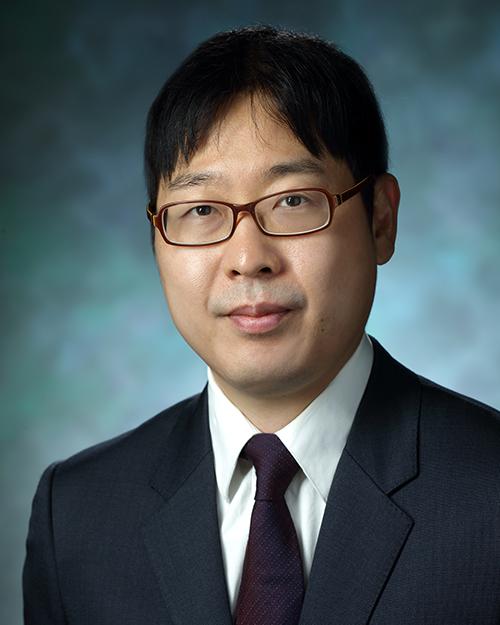
Chulan Kwon Laboratory
The C. Kwon Lab studies the cellular and molecular mechanisms governing heart generation and regeneration. The limited regenerative capacity of the heart is a major factor in morbidity and mortality rates: Heart malformation is the most frequent form of human birth defects, and cardiovascular disease is the leading cause of death worldwide. Cardiovascular progenitor cells hold tremendous therapeutic potential due to their unique ability to expand and differentiate into various heart cell types. Our laboratory seeks to understand the fundamental biology and regenerative potential of multi-potent cardiac progenitor cells – building blocks used to form the heart during fetal development — by deciphering the molecular and cellular mechanisms that control their induction, maintenance, and differentiation. We are also interested in elucidating the maturation event of heart muscle cells, an essential process to generate adult cardiomyocytes, which occurs after terminal differentiation of the progenitor cells. We believe this knowledge will contribute to our understanding of congenital and adult heart disease and be instrumental for stem cell-based heart regeneration. We have developed several novel approaches to deconstruct the mechanisms, including the use of animal models and pluripotent stem cell systems. We expect this knowledge will help us better understand heart disease and will be instrumental for stem-cell-based disease modeling and interventions for of heart repair. Dr. Chulan Kwon is an assistant professor of medicine at the Johns Hopkins University Heart and Vascular Institute. -
Green Group
The Green Group is the biomaterials and drug delivery laboratory in the Biomedical Engineering Department at the Johns Hopkins University School of Medicine. Our broad research interests are in cellular engineering and in nanobiotechnology. We are particularly interested in biomaterials, controlled drug delivery, stem cells, gene therapy, and immunobioengineering. We are working on the chemistry/biology/engineering interface to answer fundamental scientific questions and create innovative technologies and therapeutics that can directly benefit human health.
-
Clare Rock Lab
Dr. Clare Rock is an assistant Professor of Medicine, Division of Infectious Diseases at the Johns Hopkins University School of Medicine, Associate hospital Epidemiologist at the Johns Hopkins Hospital, and Faculty Member at Armstrong Institute for Patient Safety and Quality. Her research interest focuses the prevention of pathogen transmission in the hospital environment. This includes novel strategies of improving patient room cleaning and disinfection, including human factors engineering approaches, and conducting robust clinical trials to examine effectiveness of ""no touch"" novel technologies such as UV-C light. She has particular interest in carbapenem-resistant Enterobacteriaceae transmission in the hospital environment, including outbreak management, and transmission and epidemiology of Clostridium difficile. Her other area of interest is diagnostic stewardship, and the behavioral, cultural and human factors aspects of implementation of initiatives to enhance appropriate use of diagnostic tests. She leads a national initiative, as part of the High Value Practice Academic Alliance, examining strategies for appropriate testing for Clostridium difficile. This is a wider implementation of work that Dr. Rock conducted with The Johns Hopkins Health System facilities. Dr. Rock has multiple sources of grant funding including from the Agency of Healthcare Research and Quality, Centers for Disease Control and Prevention, and industry. Dr. Rock is Vice Chair of the Society for Healthcare Epidemiology of America Research Network, and serves on the SHEA research committee. Dr. Rock earned her M.B.B.Ch. at the University College Dublin School of Medicine, National University of Ireland, and her MS masters of clinical science of research at the University of Maryland, where she received the MS scholar award for epidemiology. -
Gilotra Lab
The main focus of Dr. Gilotra's research is understanding the pathophysiology and outcomes in inflammatory cardiomyopathies including myocarditis and sarcoidosis, as well as improvement of heart failure patient care through noninvasive hemodynamic monitoring and studying novel strategies to reduce heart failure hospitalizations. Additional investigations involve clinical research in advanced heart failure therapies including heart transplantation and mechanical circulatory support. Dr. Gilotra is the site Principal Investigator for the NIH/NHLBI funded Heart Failure Network trials.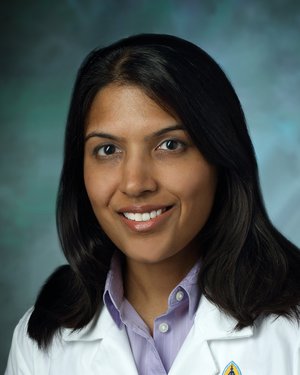
-
Clinical Laboratory and Biomarkers Core
The Clinical Laboratory and Biomarkers Cores will coordinate access to laboratory expertise, testing, training, specimen repositories and Good Clinical Laboratory Practices (GCLP). The goals of this core are to assure that all JHU HIV investigators have access to and utilize appropriate, validated and, where applicable, certified laboratory assays. The core will also maintain a biomarker specimen repository for storage cataloguing and utilization of biological specimens. -
Cochlear Neurotransmission Group
The Cochlear Neurotransmission Group studies the generation and propagation of neural signals in the inner ear. Our laboratories use biophysical, electrophysiological, molecular biological and histological methods to determine fundamental molecular mechanisms by which neurotransmitters are released from primary sensory cells ('hair cells') to excite second order neurons carrying information to the brain. We apply these same techniques to study inhibitory feedback produced by brain neurons that project to and regulate the sensitivity of the cochlea. -
Gail Geller Lab
The Gail Geller Lab primarily conducts empirical quantitative and qualitative research on the ethical and social implications of genetic testing in the adult, pediatric and family contexts. We have focused on clinical-patient communication under conditions of uncertainty; professionalism and humanism in medical education; cross-cultural variation in concepts of health and disease; and clinician suffering and moral distress. We explore these topics in a range of health care contexts, including genomics, complementary and alternative medicine (CAM) and palliative care. Our researchers have a longstanding interest in medical socialization, provider-patient communication under conditions of uncertainty and cultural differences in attitudes toward health and disease. We also explore the intersection of CAM and bioethics, as well as the role of palliative care in chronic diseases, such as muscular dystrophy and sickle cell disease. -
Guang William Wong Lab
The Wong Lab seeks to understand mechanisms employed by cells and tissues to maintain metabolic homeostasis. We are currently addressing how adipose- and skeletal muscle-derived hormones (adipokines and myokines), discovered in our lab, regulate tissue crosstalk and signaling pathways to control energy metabolism. We use transgenic and knockout mouse models, as well as cell culture systems, to address the role of the CTRP family of hormones in physiological and disease states. We also aim to identify the receptors that mediate the biological functions of CTRPs.
-
Grant (Xuguang) Tao Lab
Research in the Grant (Xuguang) Tao Lab explores environmental and occupational epidemiology topics, including workers' compensation and injuries, and nosocomial infections. We conduct research through clinical trials and systematic literature reviews, and also use cancer registry data and GIS applications in environmental epidemiological research. Our recent studies have explored topics such as the effectiveness of lumbar epidural steroid injections following lumbar surgery, the effect of physician-dispensed medication on workers' compensation claim outcomes and how the use of opioid and psychotropic medications for workers' compensation claims impacts lost work time.