Research Lab Results
-
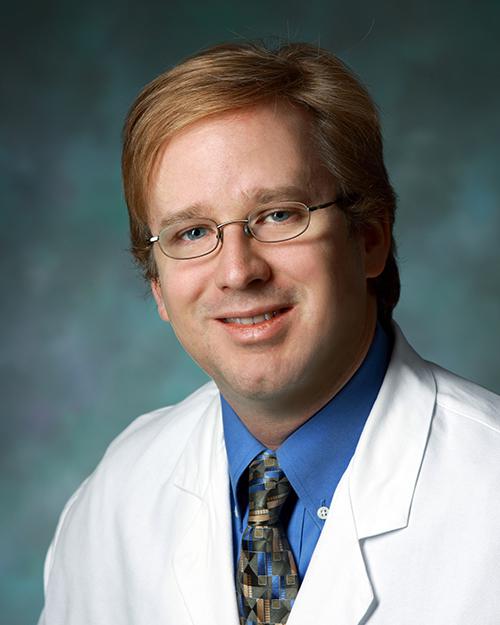
Frederick Sieber Lab
The Frederick Sieber Lab studies the impact of sedation on geriatric surgical patients—especially those undergoing orthopaedic or pelvic procedures—with the goal of preventing postoperative delirium. We are using electroencephalography to investigate the effect of sedation depth during spinal anesthesia. We are also working to determine the effects of using propofol for sedation in elderly patients as well as the effects of robotics and surgical positioning on cerebral blood flow. -
Rita Kalyani Lab
Research in the Rita Kalyani Lab examines the decreased physical functioning observed in patients with diabetes as they age. Through several ongoing epidemiological cohorts, we are investigating the association of high blood glucose and high insulin levels with accelerated muscle loss, and possible contributions to the physical disability observed in diabetes. We are currently involved in clinical studies that aim to understand the underlying mechanisms for these associations and to facilitate the development of novel strategies to prevent muscle loss and disability in people with diabetes.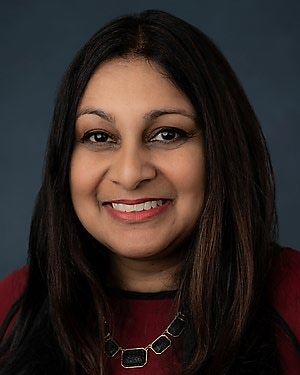
-
S.C.O.R.E. Lab
The mission of the Stroke Cognitive Outcomes and Recovery (S.C.O.R.E.) Lab is to enhance knowledge of brain mechanisms that allow people recover language, empathy, and other cognitive and communicative functions after stroke, and to improve ways to facilitate recovery of these functions after stroke. We also seek to improve the understanding of neurobiology of primary progressive aphasia., and how to enhance communication in people with this group of clinical syndromes. -
Adrian Dobs Lab
Researchers in the Adrian Dobs Lab study topics that include gonadal dysfunction, hyperlipidemia, diabetes mellitus, and the relationship between sex hormones and heart disease. We currently are investigating male gonadal function—with particular interest in new forms of male hormone replacement therapy—and hormonal changes related to aging.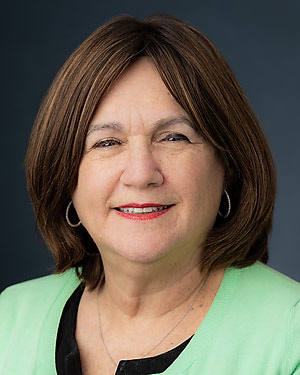
-
Ami Shah Lab
Researchers in the Ami Shah Lab study scleroderma and Raynaud’s phenomenon. We examine the relationship between cancer and scleroderma, with a focus on how and if cancer causes scleroderma to develop in some patients. We are currently conducting clinical research to study ways to detect cardiopulmonary complications in patients with scleroderma, biological and imaging markers of Raynaud’s phenomenon, and drugs that improve aspects of scleroderma. -
John Ulatowski Lab
Research in the John Ulatowski Lab explores the regulatory mechanisms of oxygen delivery to the brain and cerebral blood flow. Our work includes developing and applying new techniques and therapies for stroke as well as non-invasive techniques for monitoring brain function, fluid management and sedation in brain injury patients. We also examine the use of novel oxygen carriers in blood. We’ve recently begun exploring new methods for perioperative and periprocedural care that would help to optimize patient safety in the future. -
Zeiler Stroke Recovery Lab
Improved acute stroke care means that more patients are surviving. Unfortunately, up to 60 percent of stroke survivors suffer disability in arm or leg use, and 30 percent need placement in a longer term care facility. Recovering motor skills after stroke is essential to rehabilitation and the restoration of a meaningful life. Therefore, there is an urgent need to develop innovative new approaches to rehabilitation. Most recovery from motor impairment after stroke occurs in the first month and is largely complete by three months. Improvement occurs independently of rehabilitative interventions (for example, physical and occupational therapy), which predominantly target function through compensatory strategies that do not constitute true recovery. Dr. Zeiler and his team are conducting research to uncover how to augment and prolong this critical window of time. -
Wei Dong Gao Lab
Work in the Wei Dong Gao Lab primarily focuses on heart failure and defining molecular and cellular mechanisms of contractile dysfunction. We use molecular biology and proteomic techniques to investigate the changes that myofilament proteins undergo during heart failure and under drug therapy. We're working to determine the molecular nature of nitroxyl (HNO) modification of tropomyosin. -
Foster Lab
The Foster Lab uses the tools of protein biochemistry and proteomics to tackle fundamental problems in the fields of cardiac preconditioning and heart failure. Protein networks are perturbed in heart disease in a manner that correlates only weakly with changes in mRNA transcripts. Moreover, proteomic techniques afford the systematic assessment of post-translational modifications that regulate the activity of proteins responsible for every aspect of heart function from electrical excitation to contraction and metabolism. Understanding the status of protein networks in the diseased state is, therefore, key to discovering new therapies. D. Brian Foster, Ph.D., is an assistant professor of medicine in the division of cardiology, and serves as Director of the Laboratory of Cardiovascular Biochemistry at the Johns Hopkins University School of Medicine. -
Interventional Cardiology Research Group
Our group is interested in a broad array of clinical and translational investigations spanning the evaluation of basic pathophysiology in patients undergoing cardiac procedures, development and evaluation of new therapeutic strategies, and improving patient selection and outcomes following interventional procedures. We are comprised of a core group of faculty and dedicated research nurses as well as fellows, residents, and students. Projects range from investigator-initiated single-center observational studies to industry-sponsored multicenter phase 3 randomized controlled trials. We have established a database of all patients who have undergone TAVR at Johns Hopkins, which is providing the basis for several retrospective analyses and will serve as the foundation for future studies of TAVR. We are also engaged in collaborative projects with other groups from the Department of Medicine and other Departments including Cardiac Surgery, Anesthesiology, Radiology, Psychiatry, and Biomedical Engineering. Members of our group are actively involved with the Johns Hopkins Center for Bioengineering Innovation and Design (CBID) in the development of novel minimally-invasive cardiovascular devices.