Research Lab Results
-
Andrew Lane Lab
The Lane laboratory is focused on understanding molecular mechanisms underlying chronic rhinosinusitis, particularly the pathogenesis of nasal polyps, as well as inflammation on the olfactory epithelium. Diverse techniques in molecular biology, immunology, and physiology are utilized to study epithelial cell innate immunity, olfactory loss, and response to viral infection. Ongoing work explores how epithelial cells of the sinuses and olfactory mucosa participate in the immune response and contribute to chronic inflammation. The lab creates and employs transgenic mouse models of chronic nasal/sinus inflammation to support research in this area. Collaborations are in place with the School of Public Health to explore mechanisms of anti-viral immunity in influenza and COVID-19.
-
Adult Cardiac Catheterization Laboratory
Our group is interested in the evaluation of basic pathophysiology in patients undergoing cardiac procedures, development and evaluation of new therapeutic strategies, and improving patient selection and outcomes following interventional procedures.
-
Joel Pomerantz Laboratory
The Pomerantz Laboratory studies the molecular machinery used by cells to interpret extracellular signals and transduce them to the nucleus to affect changes in gene expression. The accurate response to extracellular signals results in a cell's decision to proliferate, differentiate or die, and it's critical for normal development and physiology. The dysregulation of this machinery underlies the unwarranted expansion or destruction of cell numbers that occurs in human diseases like cancer, autoimmunity, hyperinflammatory states and neurodegenerative disease. Current studies in the lab focus on signaling pathways that are important in innate immunity, adaptive immunity and cancer, with particular focus on pathways that regulate the activity of the pleiotropic transcription factor NF-kB.
-
James Hamilton Lab
The James Hamilton laboratory performs pre-clinical experiments and basic studies investigating liver inflammation, fibrosis, and nuclear receptor signaling. In close collaboration with Dr Svetlana Lutsenko in Physiology, their team performs detailed studies of hepatocyte and non-parenchymal cell isolation, culture, biology and genetic manipulation. Working with models of Wilson disease, a disorder of copper overload, they discovered that hepatic nuclear receptor mediated control of lipid metabolism is a preferential and early target of copper toxicity. Furthermore, targeting nuclear receptors with pharmacologic agonists prevents and reverses liver inflammation and fibrosis.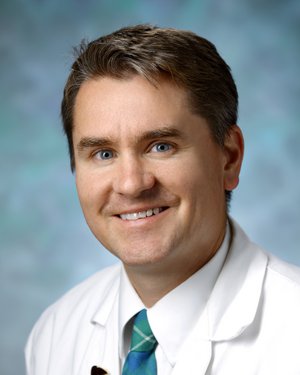
-
James Pekar Lab
How do we see, hear, and think? More specifically, how can we study living people to understand how the brain sees, hears, and thinks? Recently, magnetic resonance imaging (MRI), a powerful anatomical imaging technique widely used for clinical diagnosis, was further developed into a tool for probing brain function. By sensitizing magnetic resonance images to the changes in blood oxygenation that occur when regions of the brain are highly active, we can make ""movies"" that reveal the brain at work. Dr. Pekar works on the development and application of this MRI technology. Dr. Pekar is a biophysicist who uses a variety of magnetic resonance techniques to study brain physiology and function. Dr. Pekar serves as Manager of the F.M. Kirby Research Center for Functional Brain Imaging, a research resource where imaging scientists and neuroscientists collaborate to study brain function using unique state-of-the-art techniques in a safe comfortable environment, to further develop such techniques, and to provide training and education. Dr. Pekar works with center staff to serve the center's users and to keep the center on the leading edge of technology. -
Jantzie Lab
Lauren Jantzie, professor of pediatrics and vice chair of research for the Department of Pediatrics, received her Ph.D. in neurochemistry from the University of Alberta in 2008. In 2013 she completed her postdoctoral fellowship in the Department of Neurology at Boston Children's Hospital & Harvard Medical School and became faculty at the University of New Mexico. Dr. Jantzie then joined the faculty Departments of Pediatrics (Neonatal-Perinatal Medicine) and Neurology at Johns Hopkins University and the Kennedy Krieger Institute in January 2019.
The Jantzie lab investigates the pathophysiology of encephalopathy of prematurity, and pediatric brain injury common to infants and toddlers. Dr. Jantzie is dedicated to understanding disease processes in the developing brain as a means to identifying new therapeutic strategies and treatment targets for perinatal brain injury. Her lab studies neural substrates of cognition and executive function, inhibitory circuit formation, the role of an abnormal intrauterine environment on brain development, mechanisms of neurorepair and microglial activation and polarization.
Using a diverse array of clinically relevant techniques such as MRI, cognitive assessment, and biomarker discovery, combined with traditional molecular and cellular biology, the Jantzie lab is on the front lines of translational pediatric neuroscience.
-
Jennifer Foulke-Abel Lab
The Jennifer Foulke-Abel Lab engages in basic and translational research focused on how intestinal epithelia interface with their environment. Our work is powered by human adult stem cell-derived intestinal organoids, which capture the unique genetic and phenotypic traits of an individual and enable a personalized approach to understanding epithelial pathophysiology. One project in the lab centers on dissecting the factors involved in mucosal recognition of pathogenic bacteria with the goal to optimize vaccine engineering. A second area of interest is characterizing the altered intestinal stem cell programming associated with dietary nutrient absorption and hormone secretion in obesity to tailor weight-loss therapies.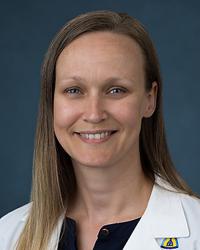
-
Clinical and Computational Auditory neuroscience
Our laboratory investigates the neural bases of sound processing in the human brain. We combine electrophysiology recordings (intracranial, scalp), behavioral paradigms, and statistical modeling methods to study the cortical dynamics of normal and impaired auditory perception. We are interested in measuring and modeling variability in spatiotemporal cortical response patterns as a function of individual listening abilities and acoustic sound properties. Current studies are investigating the role of high-frequency (>30 Hz) neural oscillations in human auditory perception.
-
Gilotra Lab
The main focus of Dr. Gilotra's research is understanding the pathophysiology and outcomes in inflammatory cardiomyopathies including myocarditis and sarcoidosis, as well as improvement of heart failure patient care through noninvasive hemodynamic monitoring and studying novel strategies to reduce heart failure hospitalizations. Additional investigations involve clinical research in advanced heart failure therapies including heart transplantation and mechanical circulatory support. Dr. Gilotra is the site Principal Investigator for the NIH/NHLBI funded Heart Failure Network trials.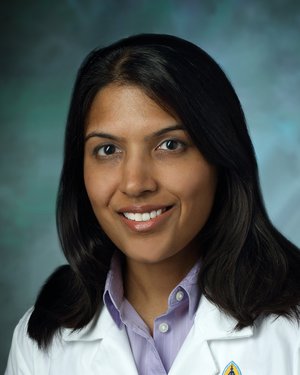
-
Gregg Semenza Lab
The Gregg Semenza Lab studies the molecular mechanisms of oxygen homeostasis. We have cloned and characterized hypoxia-inducible factor 1 (HIF-1), a basic helix-loop-helix transcription factor. Current research investigates the role of HIF-1 in the pathophysiology of cancer, cerebral and myocardial ischemia, and chronic lung disease, which are the most common causes of mortality in the U.S.