Your Digestive System: 5 Ways to Support Gut Health
Featured Expert

Updated August 26, 2026
Digestive system problems such as heartburn, gas, bloating and constipation reflect what’s happening throughout your body. “As we age, the natural cycles slow down and don’t work as well,” says Johns Hopkins gastroenterologist Gerard Mullin, M.D. He offers easy-to-implement tips for gut health.
Key Points
- Gut problems can be caused by poor diet, stress, infections, medications and digestive conditions like IBS.
- Healthy habits help with gut issues, including eating more fiber, sleeping well, exercising and managing stress.
- Gut-friendly foods include fruits, vegetables, whole grains, yogurt, kefir, and other fermented foods.
- See a doctor if you have severe pain, blood in your stool, unexplained weight loss or ongoing digestive symptoms.
What Causes Gut Problems?
Gut problems can be caused by many factors, including an unhealthy diet, food intolerances, infections, stress and certain medications. It can also be caused by digestive disorders such as irritable bowel syndrome (IBS), celiac disease or inflammatory bowel disease.
Poor eating habits, changes in gut bacteria and ongoing stress can disrupt normal digestion, leading to symptoms like bloating, stomach pain, gas, diarrhea or constipation. In some cases, persistent gut problems may indicate an underlying medical condition that requires treatment.
How to Keep Your Gut Healthy
The following ways to protect your digestive system may sound surprising because they’re not just about diet. “Everything ties together,” Mullin says.
Increase fiber.
“Americans’ fiber intake is 40 to 50 percent of what it should be,” Mullin says. A balanced diet rich in fruits and vegetables provides the fiber that builds good bacteria and gut health. See 5 foods that help to improve your digestion.
Get more sleep.
Sleep and diet go hand in hand. Not getting enough sleep is linked to a higher prevalence of obesity, which sets you up for digestive system disorders.
Move more.
As with other aspects of health, exercise is the best way to lose weight and maintain a healthy body weight to ward off digestive system problems.
Manage stress.
Reducing stress is fundamental to reducing heartburn, Mullin says. Managing stress will also help you from overeating, which can cause gut distress. Try relaxation therapies along with other distraction techniques.
Get help for issues like anxiety and depression.
Mood and digestive system health (especially disorders like irritable bowel syndrome) are closely linked via the brain-gut connection.
What foods help with gut health?
Some of the best foods for gut health include:
- Yogurt and kefir: Contain probiotics, which are beneficial bacteria that support a healthy gut microbiome.
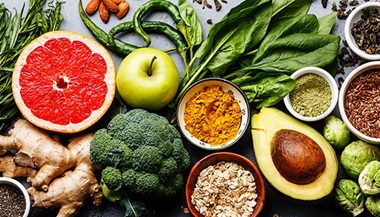
- Fruits and vegetables: Apples, bananas, berries, broccoli and leafy greens provide fiber that helps keep digestion regular.
- Whole grains: Oats, brown rice, and whole wheat products are rich in fiber that supports gut bacteria.
- Beans and legumes: Lentils, chickpeas and beans are excellent sources of fiber and prebiotics.
- Fermented foods: Sauerkraut, kimchi, miso and tempeh can help increase beneficial bacteria in the gut.
- Nuts and seeds: Almonds, walnuts, chia seeds, and flaxseeds provide fiber and nutrients that support digestive health. Some digestive issues like diverticulitis caution against nuts and seeds, so check with your doctor to see what is best for you.
Do fiber supplements help gut health?
Fiber supplements can be beneficial for gut health, especially if you do not get enough fiber from foods, but they’re not a substitute for a healthy diet filled with gut-friendly foods.
What foods can cause gut issues?
Some foods can negatively affect gut health, especially when eaten frequently or in large amounts.
- Highly processed foods: Chips, fast food and packaged snacks are often low in fiber and may disrupt the balance of healthy gut bacteria.
- Sugary foods and drinks: Excess sugar can promote the growth of less beneficial gut microbes and contribute to digestive issues.
- Fried and fatty foods: These can be harder to digest and may cause bloating, indigestion and stomach discomfort.
- Alcohol: Drinking alcohol can irritate the digestive tract and alter the gut microbiome.
- Artificial sweeteners: Some people experience gas, bloating or changes in bowel habits after consuming products containing artificial sweeteners.
When to See a Doctor
Seek medical attention if you have:
- Blood in your stool
- Unexplained weight loss
- Severe or persistent abdominal pain
- Difficulty swallowing
- Ongoing diarrhea or constipation
- Symptoms that interfere with daily life
Medically reviewed by Gerard Mullin, M.D.