Research Lab Results
-
Amy Kim Lab
The Amy Kim lab performs basic, translational, and clinical research on liver lesions and hepatocellular carcinoma (HCC). She uses state of the art techniques such artificial intelligence enhanced interpretation of pathology and imaging, as well as detection of circulating tumor cells for early detection and prediction of recurrence of HCC after resection and liver transplantation.
-
Liliana Florea Lab
Research in the Liliana Florea Lab applies computational techniques toward modeling and problem solving in biology and genetic medicine. We work to develop computational methods for analyzing large-scale sequencing data to help characterize molecular mechanisms of diseases. The specific application areas of our research include genome analysis and comparison, cDNA-to-genome alignment, gene and alternative splicing annotation, RNA editing, microbial comparative genomics, miRNA genomics and computational vaccine design. Our most recent studies seek to achieve accurate and efficient RNA-seq correction and explore the role of HCV viral miRNA in hepatocellular carcinoma.
-
Tinsay Woreta
The Woreta Lab does clinical and translational research on Hepatocellular Carcinoma; Liver Transplantation Outcomes; Chronic Viral Hepatitis.
-
James Hamilton Lab
The James Hamilton laboratory performs pre-clinical experiments and basic studies investigating liver inflammation, fibrosis, and nuclear receptor signaling. In close collaboration with Dr Svetlana Lutsenko in Physiology, their team performs detailed studies of hepatocyte and non-parenchymal cell isolation, culture, biology and genetic manipulation. Working with models of Wilson disease, a disorder of copper overload, they discovered that hepatic nuclear receptor mediated control of lipid metabolism is a preferential and early target of copper toxicity. Furthermore, targeting nuclear receptors with pharmacologic agonists prevents and reverses liver inflammation and fibrosis.
-
Head and Neck Cancer Clinical Trials and Tissue Bank
The Johns Hopkins Head and Neck Cancer Tissue Bank enrolls patients and collects research specimens from Head and Neck Tumor patients, both cancerous and benign, with particular focus on Head and Neck Squamous Cell Cancer patients. It provides specimens to researchers both within the institution and outside.
-
Amit Pahwa Lab
The Amit Pahwa Lab conducts research on a variety of topics within internal medicine. Our most recent studies have explored misanalysis of urinalysis results, urinary fractional excretion indices in the evaluation of acute kidney injury and nocturnal enuresis as a risk factor for falls in older women. We also investigate cancer diagnostics and treatments. In this area, our recent research has included studying cutaneous shave biopsies for diagnosing primary colonic adenocarcinoma as well as growth inhibition and apoptosis in human brain tumor cell lines using selenium.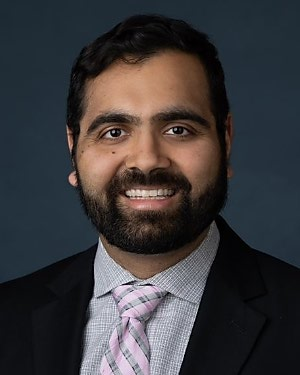
-
Molecular Genetics Laboratory of Female Reproductive Cancer
The long-term objectives of our research team are: a. to understand the molecular etiology in the development of human cancer, and b. to identify and characterize cancer molecules for cancer detection, diagnosis, and therapy. We use ovarian carcinoma as a disease model because it is one of the most aggressive neoplastic diseases in women. For the first research direction, we aim to identify and characterize the molecular alterations during initiation and progression of ovarian carcinomas. -
William G. Nelson Laboratory
Normal and neoplastic cells respond to genome integrity threats in a variety of different ways. Furthermore, the nature of these responses are critical both for cancer pathogenesis and for cancer treatment. DNA damaging agents activate several signal transduction pathways in damaged cells which trigger cell fate decisions such as proliferation, genomic repair, differentiation, and cell death. For normal cells, failure of a DNA damaging agent (i.e., a carcinogen) to activate processes culminating in DNA repair or in cell death might promote neoplastic transformation. For cancer cells, failure of a DNA damaging agent (i.e., an antineoplastic drug) to promote differentiation or cell death might undermine cancer treatment. Our laboratory has discovered the most common known somatic genome alteration in human prostatic carcinoma cells. The DNA lesion, hypermethylation of deoxycytidine nucleotides in the promoter of a carcinogen-defense enzyme gene, appears to result in inactivation of the gene and a resultant increased vulnerability of prostatic cells to carcinogens. Studies underway in the laboratory have been directed at characterizing the genomic abnormality further, and at developing methods to restore expression of epigenetically silenced genes and/or to augment expression of other carcinogen-defense enzymes in prostate cells as prostate cancer prevention strategies. Another major interest pursued in the laboratory is the role of chronic or recurrent inflammation as a cause of prostate cancer. Genetic studies of familial prostate cancer have identified defects in genes regulating host inflammatory responses to infections. A newly described prostate lesion, proliferative inflammatory atrophy (PIA), appears to be an early prostate cancer precursor. Current experimental approaches feature induction of chronic prostate inflammation in laboratory mice and rats, and monitoring the consequences on the development of PIA and prostate cancer.