Research Lab Results
-
MRB Molecular Imaging Service Center and Cancer Functional Imaging Core
Established in 2004, the MRB Molecular Imaging Service Center and Cancer Functional Imaging Core provides comprehensive molecular and functional imaging infrastructure to support the imaging research needs of the Johns Hopkins University faculty. Approximately 55-65 different Principal Investigators use the center annually. The MRB Molecular Imaging Service Center is located behind the barrier within the transgenic animal facility in the basement of MRB. The MRB location houses a 9.4T MRI/S scanner for magnetic resonance imaging and spectroscopy, an Olympus multiphoton microscope with in vivo imaging capability, a PET-CT scanner, a PET-SPECT scanner, and a SPECT-CT scanner for nuclear imaging, multiple optical imaging scanners including an IVIS Spectrum, and a LI COR near infrared scanner, and an ultrasound scanner. A brand new satellite facility in CRB2-LB03 opens in 2019 to house a simultaneous 7T PET-MR scanner, as well as additional imaging equipment, to meet the growing molecular and functional imaging research needs of investigators. To image with us, MRB Animal Facility training and Imaging Center Orientation are required to obtain access to the MRB Animal Facility and to the MRB Molecular Imaging Center (Suite B14). The MRB Animal Facility training group meets at 9:30 am on Thursdays at the Turner fountain/MRB elevator lobby. The Imaging Center orientation group meets at 1 pm on Thursdays at the Turner fountain, and orientation takes approximately 30 min. Please keep in mind that obtaining access to both facilities requires time, so please plan in advance. -
Hanan Aboumatar Lab
Research in the Hanan Aboumatar Lab focuses on advancing patient-centered outcomes through improved patient and family involvement. We also focus on multilevel methods to increase the patient-centered focus of care delivery. Recent research examined the impact of a quality-improvement intervention on patient involvement in primary care and treatment with respect and dignity in intensive care.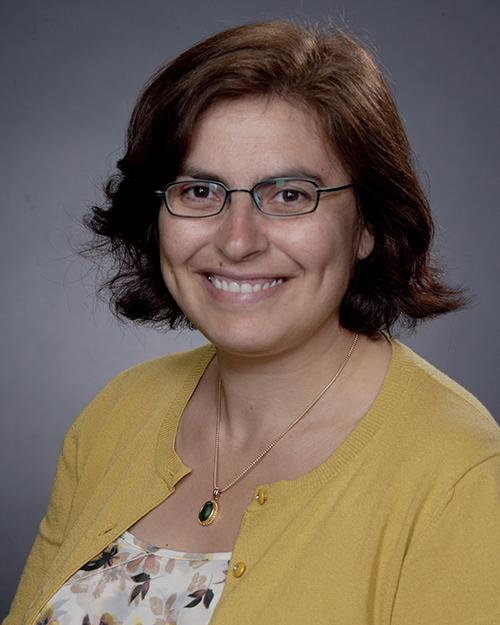
-
Hsin-Chieh Yeh Lab
Work in the Hsin-Chieh Yeh Lab focuses on clinical trials and cohort studies of diabetes, obesity and behavioral intervention, cancer and hypertension. Recent investigations have focused on novel risk factors and complications related to obesity and type 2 diabetes, particularly lung function, smoking and cancer. We recently co-led a randomized clinical trial of tailored dietary advice for consumption of dietary supplements to lower blood pressure and improve cardiovascular disease risk factors in hypertensive urban African Americans.
-
Timothy Niessen Lab
The Timothy Niessen Lab studies patient outcomes in the ICU. We are particularly interested in the effects of sleep quality, delirium transitions and sedation on the improvement of intensive care patients. Our investigators also focus on the practices of internal medicine interns, studying the variability of hand washing hygiene, etiquette-based communication and time spent in direct and indirect patient care. We have also studied the onset of myelopathy as a result of B12 deficiency from long-term colchicine treatment and recreational nitrous oxide use.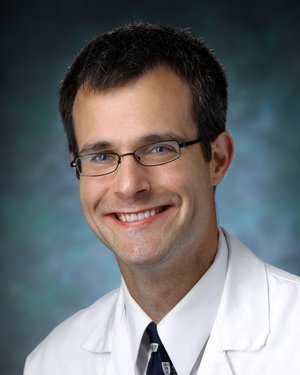
-
The Laboratory for Precision Immunology
We are devoted to developing and deploying cutting edge technologies that can be used to define human immune responses. Much of our work leverages ‘next generation’ DNA sequencing, which enables massively parallel molecular measurements. Examples of our technologies include: - bacteriophage display of synthetic peptidome libraries for comprehensive, quantitative profiling of antibodies; - display of ORFeome libraries for antigen discovery, protein-protein interaction studies, and drug target identification; - ultrasensitive, multiplex RNA quantification techniques to monitor gene expression and detect microbes; - pooled genetic screening to elucidate immune cell function and identify new therapeutic targets. The Larman Laboratory uses these and other approaches to identify opportunities for monitoring and manipulating immune responses. -
Todd Dorman Lab
Research conducted in the Todd Dorman Lab examines the use of informatics in intensive care settings as it relates to remote patient monitoring, safety and management strategies. Specific areas of interest include the surgical stress response; aminoglycoside antibiotics; fungal infections; renal failure; pharmacokinetic models of drug administration; and ICU triage and its impact on disaster preparedness.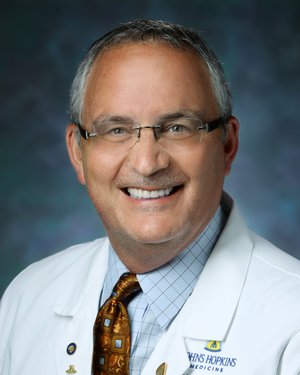
-
Tom Woolf Lab
The Tom Woolf Lab studies the quarter of the genome devoted to membrane proteins. This rapidly growing branch of bioinformatics, which includes computational biophysics, represents the main research direction of our group. We aim to provide insight into critical issues for membrane systems. In pursuit of these goals, we use extensive computer calculations to build an understanding of the relations between microscopic motions and the world of experimental measurements. Our calculations use our own Beowulf computer cluster as well as national supercomputer centers. An especially strong focus has been on the computed motions of proteins and all-atom models of the lipid bilayers that mediate their influence. To compute these motions, we use the molecular dynamics program CHARMM. We hope to use our understanding of the molecular motions for the prediction of membrane protein structures using new computational methods. -
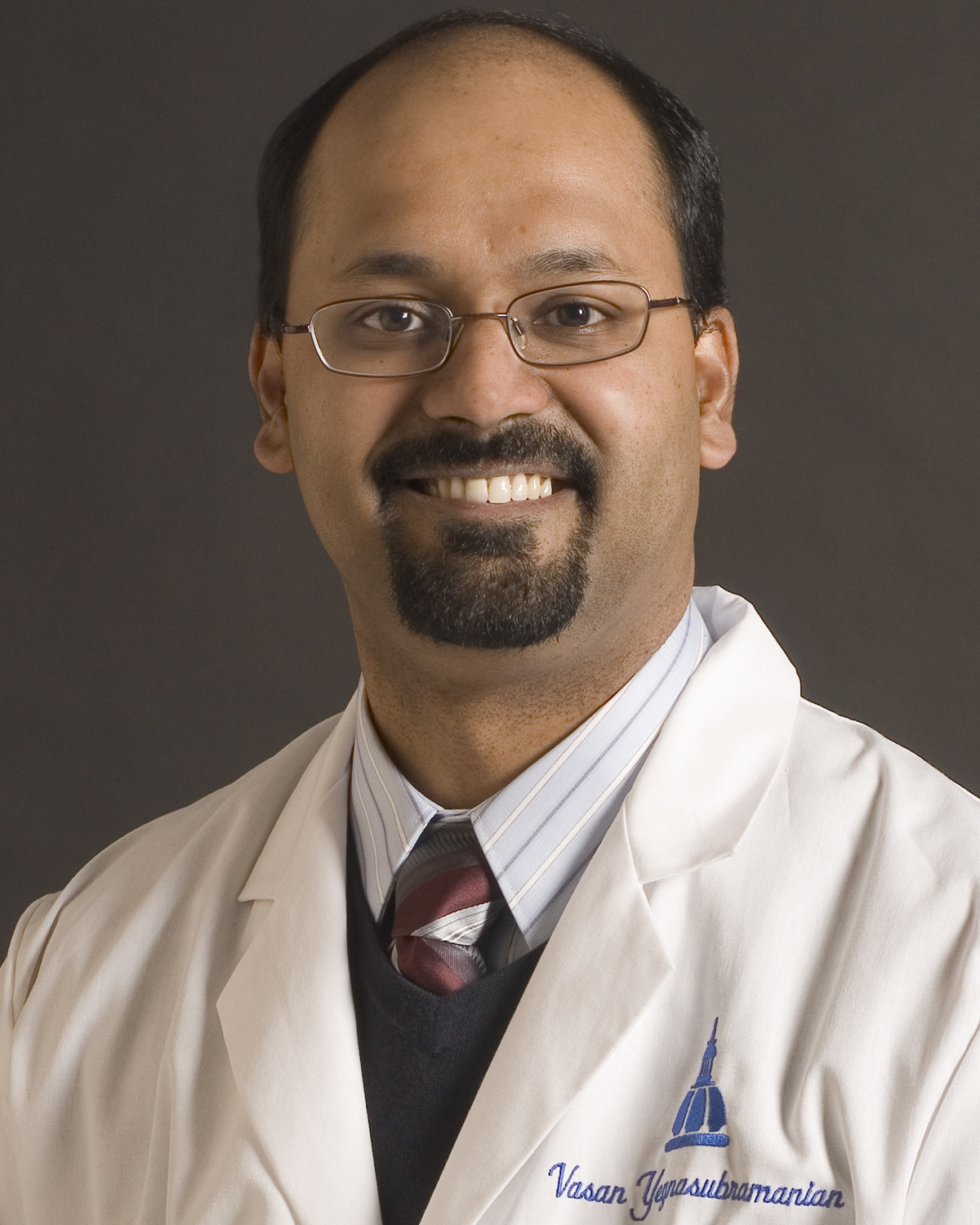
Srinivasan Yegnasubramanian Lab
Dr. Yegnasubramanian directs a Laboratory of Cancer Molecular Genetics and Epigenetics at the Sidney Kimmel Comprehensive Cancer Center (SKCCC), and is also the Director of the SKCCC Next Generation Sequencing Center. Our lab research is focused on understanding the complex interplay between genetic and epigenetic alterations in carcinogenesis and disease progression, and to exploit this understanding in developing novel biomarkers for diagnosis and risk stratification as well as in identifying targets for therapeutic intervention. -
Sydney Dy Lab
The Sydney Dy Lab has conducted extensive research on quality of care, patient safety and decision-making, with a focus on patients with cancer and other serious and terminal diseases. Our team seeks to improve health systems and services to optimize the use of technology and medication, particularly in end-of-life health care policy. Our research approach includes primary and quantitative data collection, quality measurement improvement, systematic literature reviews and analysis of secondary database.
-
Supendymoma and Ependymoma Research Center
The Johns Hopkins comprehensive Subependymoma and Ependymoma Research Center divideS its efforts into three areas: basic science, translational research and clinical practice. Each division works separately but shares findings and resources openly with each other and our collaborators. The goal of our united efforts is to optimize current treatments to affect the care received by patients with subependymomas and ependymomas. Also, our clinical, translational and basic science teams work to develop novel therapies to improve and extend the lives of those with these rare tumors.