Research Lab Results
-
Reid Thompson Laboratory
Reid Thompson’s research interests include evaluation of ventricular function in patients with muscular dystrophy and Barth syndrome, and in patients who have completed chemotherapy. He also studies novel methods of teaching and diagnosing heart disease through cardiac auscultation.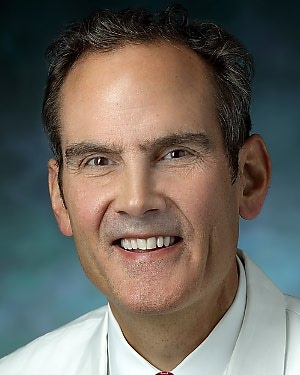
-
Research on Reproductive Health Care for Incarcerated People
The Advocacy and Research on Reproductive Wellness of Incarcerated People (ARRWIP) group was founded in 2017 by Dr. Carolyn Sufrin of Johns Hopkins Complex Family Planning Serivces. The goal of our research is to create opportunities to improve reproductive wellbeing for people affected by the criminal legal system – including making full-scope, compassionate reproductive health care accessible for people experiencing incarceration and advocating for alternatives to incarceration. -
Retinal Cell and Molecular Lab
The Retinal Cell and Molecular Laboratory has three major areas of interest, each of which deals with some aspect of growth factor signaling and function in the retina and retinal pigmented epithelium (RPE): 1. Investigations aimed at gaining a better understanding of the pathogenesis of retinal and choroidal neovascularization and developing new ways to treat them. 2. Investigations aimed at understanding the molecular signals involved in retinal and RPE wound repair and scarring. The prototypical disease in this category is proliferative vitreoretinopathy and our laboratory is seeking to identify new treatments for it. 3. Investigations aimed at understanding why retinal degenerations occur and how they might be treated, with particular emphasis on neurotrophic factors. -
Retrovirus Laboratory
Research in the Retrovirus Laboratory focuses on the molecular virology and pathogenesis of lentivirus infections. In particular, we study the simian immunodeficiency virus (SIV) to determine the molecular basis for the development of HIV CNS, pulmonary and cardiac disease. Research projects include studies of viral molecular genetics and host cell genes and proteins involved in the pathogenesis of disease. We are also interested in studies of lentivirus replication in macrophages and astrocytes and their role in the development of disease. These studies have led us to identify the viral genes that are important in neurovirulence of SIV and the development of CNS disease including NEF and the TM portion of ENV. The mechanisms of the action of these proteins in the CNS are complex and are under investigation. We have also developed a rapid, consistent SIV/macaque model in which we can test the ability of various antiviral and neuroprotective agents to reduce the severity of CNS and pulmonary disease. -
Richard Chaisson Lab
Research in the Richard Chaisson Lab primarily examines tuberculosis and HIV infection, with specific focus on global epidemiology, clinical trials, diagnostics and public health interventions. Our recent research has involved evaluating a molecular diagnostic test for tuberculosis in HIV patients; observing TB responses during treatment of pulmonary tuberculosis; and examining antiretroviral therapy adherence, virologic and immunologic outcomes in adolescents compared with adults in Southern Africa.
-
Richard F. Ambinder Lab
Epstein-Barr virus and Kaposi's sarcoma herpesvirus are found in association with a variety of cancers. Our laboratory studies are aimed at better defining the role(s) of the virus in the pathogenesis of these diseases and the development of strategies to prevent, diagnose or treat them. We have become particularly interested in the unfolded protein response in activation of latent viral infection. Among the notions that we are exploring is the possibility that activation of virus-encoded enzymes will allow the targeted delivery of radation. In addition, we are investigating a variety of virus-related biomarkers including viral DNA, antibody responses, and cytokine measurements that may be clinically relevant.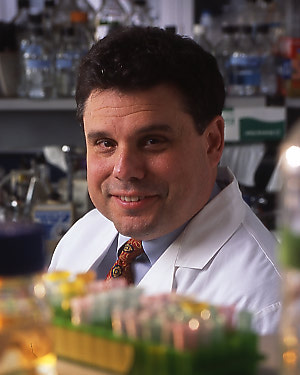
Principal Investigator
Department
-
Richard John Jones Lab
The Richard J. Jones Lab studies normal and cancerous stem cells in order to make clinical improvements in areas such as blood and marrow transplantation (BMT). We discovered one of the most common stem-cell markers, Aldefluor, which identifies cells based on their expression of aldehyde dehydrogenase 1 (ALDH1), and have used this marker to detect and characterize normal stem cells and cancer stem cells from many hematologic malignancies. We also developed post-transplant cyclophosphamide and effective related haploidentical BMT.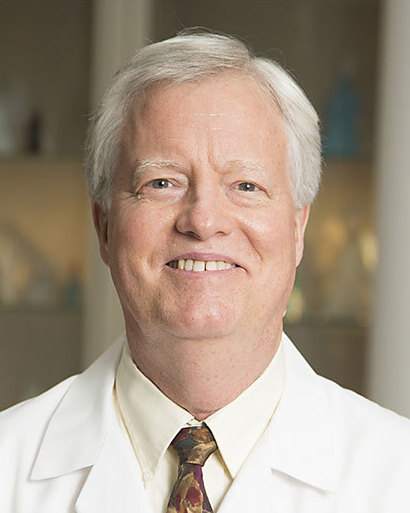
-
Richard Moore Lab
Research interests in the Richard Moore Lab include clinical epidemiology, costs, cost-effectiveness and outcomes of HIV/AIDS. We recently examined whether the effect of delaying antiretroviral therapy initiation in HIV-positive adults is modified by age at entry into care.
-
Richard Rivers Lab
The Richard Rivers Lab researches vascular communication with a focus on microcirculation physiology. Our team seeks to determine how metabolic demands are passed between tissue and the vascular network as well as along the vascular network itself. Our goal is to better understand processes of diseases such as cancer and diabetes, which could lead to the development of more targeted drugs and treatment. We are also working to determine the role for inwardly rectifying potassium channels (Kir) 2.1 and 6.1 in signaling along the vessel wall as well as the role of gap junctions. -
Richard W. TeLinde Endowed Gynecologic Pathology Lab
Our scientists pursue out-of-the-box approaches at the very edge of knowledge to: 1) Elucidate the molecular/cellular/physiological landscapes of ovarian and uterine cancers. 2) Understand the earliest events in their development and mechanisms of tumor evolution/dormancy and drug resistance. 3) Deliver promises for better prevention, detection and treatment to women who have diseases or are at an increased risk to have these cancers.