Research Lab Results
-
Erika Matunis Laboratory
The Erika Matunis Laboratory studies the stem cells that sustain spermatogenesis in the fruit fly Drosophila melanogaster to understand how signals from neighboring cells control stem cell renewal or differentiation. In the fruit fly testes, germ line stem cells attach to a cluster of non-dividing somatic cells called the hub. When a germ line stem cell divides, its daughter is pushed away from the hub and differentiates into a gonialblast. The germ line stem cells receive a signal from the hub that allows it to remain a stem cell, while the daughter displaced away from the hub loses the signal and differentiates. We have found key regulatory signals involved in this process. We use genetic and genomic approaches to identify more genes that define the germ line stem cells' fate. We are also investigating how spermatogonia reverse differentiation to become germ line stem cells again.
-
Xiao Group
The objective of the Xiao Group's research is to study the dynamics of cellular processes as they occur in real time at the single-molecule and single-cell level. The depth and breadth of our research requires an interdisciplinary approach, combining biological, biochemical and biophysical methods to address compelling biological problems quantitatively. We currently are focused on dynamics of the E. coli cell division complex assembly and the molecular mechanism in gene regulation. -
Zhu Lab
The Zhu lab is focused on characterizing the activities of large collection of proteins, building signaling networks for better understanding the mechanisms of biological processes, and identifying biomarkers in human diseases and cancers. More specifically, our group is interested in analyzing protein posttranslational modifications, and identifying important components involved in transcription networks and host-pathogen interactions on the proteomics level, and biomarkers in human IBD diseases.
-
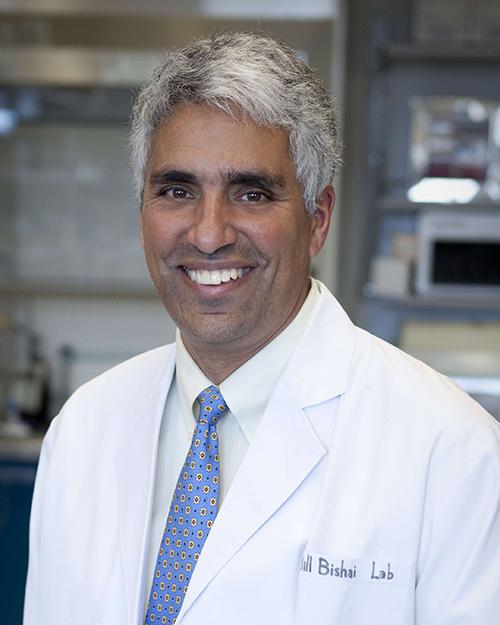
William Bishai Laboratory
The William Bishai Laboratory studies the molecular pathogenesis of tuberculosis. The overall goal of our laboratory is to better understand tuberculosis pathogenesis and then to employ this understanding toward improved drugs, vaccines and diagnostics. Since Mycobacterium tuberculosis senses and adapts to a wide array of conditions during the disease process, it is clear that the regulation of expression of virulence factors plays an important role in pathogenesis. As a result, a theme of our research is to assess mycobacterial genes important in gene regulation. We are also interested in cell division in mycobacteria and the pathogenesis of caseation and cavitation. -
Wolberger Lab
The Wolberger Lab is interested in the structural and mechanistic basis for transcriptional regulation and ubiquitin signaling as it relates to the integrity and expression of the genome. We use x-ray crystallography, enzymology, cell-based assays and a variety of biophysical tools to gain insights into the mechanisms underlying these essential cellular processes. -
Victor Velculescu Lab
The lab currently focuses on identifying genetic alterations in cancer affecting sensitivity and resistance to targeted therapies, and connecting such changes to key clinical characteristics and novel therapeutic approaches. We have recently developed methods that allow noninvasive characterization of cancer, including the PARE method that provided the first whole genome analysis of tumor DNA in the circulation of cancer patients. These analyses provide a window into real-time genomic analyses of cancer patients and provide new avenues for personalized diagnostic and therapeutic intervention. -
Katherine Wilson Lab
Research in the Wilson Lab focuses on three components of nuclear lamina structure: lamins, LEM-domain proteins (emerin), and BAF. These three proteins all bind each other directly, and are collectively required to organize and regulate chromatin, efficiently segregate chromosomes and rebuild nuclear structure after mitosis. Mutations in one or more of these proteins cause a variety of diseases including Emery-Dreifuss muscular dystrophy (EDMD), cardiomyopathy, lipodystrophy and diabetes, and accelerated aging. We are examining emerin's role in mechanotransduction, how emerin and lamin A are regulated, and whether misregulation contributes to disease. -
Lamichhane Lab
Our research focuses on the biology of the peptidoglycan of Mycobacterium tuberculosis, the organism that causes tuberculosis, and Mycobacteroides abscessus, a related bacterium that causes opportunistic infections. We study basic mechanisms associated with peptidoglycan physiology but with an intent to leverage our findings to develop tools that will be useful in the clinic to treat mycobacterial infections. Peptidoglycan is the exoskeleton of bacteria that not only provides structural rigidity and cell shape but also several vital physiological functions. Breaching this structure is often lethal to bacteria. We are exploring fundamental mechanisms by which bacteria synthesize and preserve their peptidoglycan. Although our lab uses genetic, biochemical and biophysical approaches to study the peptidoglycan, we pursue questions irrespective of the expertise required to answer those questions. It is through these studies that we identified synergy between two beta-lactam antibiotics against select mycobacteria. -
Loyal Goff Laboratory
The Loyal Goff Laboratory seeks to answer a fundamental biological question: How is the genome properly interpreted to coordinate the diversity of cell types observed during neuronal development? We are focused on the acquisition of specific cellular identities in neuronal development and identifying the molecular determinants responsible for proper brain development. Using novel experimental approaches for the enrichment and purification of specific neuronal cell types and recent technological advances in single-cell RNA sequencing, we can discover and explore the cellular factors that contribute to neuronal cell fate decisions during mammalian brain development. -
Nathaniel Comfort Lab
Research in the Nathaniel Comfort Lab looks at the history of biology. Areas of particular interest include heredity and health in 20th century America, genetics, molecular biology, biomedicine, the history of recent science, oral history and interviewing.