Research Lab Results
-
Neuromodulation and Advanced Therapies Center
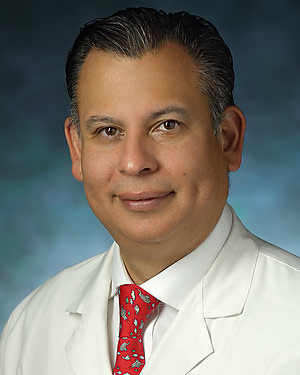
We investigate the brain networks and neurotransmitters involved in symptoms of movement disorders, such as Parkinson's disease, and the mechanisms by which modulating these networks through electrical stimulation affects these symptoms. We are particularly interested in the mechanisms through which neuromodulation therapies like deep brain stimulation affect non-motor brain functions, such as cognitive function and mood. We use imaging of specific neurotransmitters, such as acetylcholine and dopamine, to understand the changes in brain chemistry associated with the clinical effects of deep brain stimulation and to predict which patients are likely to have changes in non-motor symptoms following DBS. Through collaborations with our neurosurgery colleagues, we explore brain function by making recordings during DBS surgery during motor and non-motor tasks. Dr. Mills collaborates with researchers in the Department of Neurosurgery, the Division of Geriatric and Neuropsychiatry in the Department of Psychiatry and Behavioral Sciences and in the Division of Nuclear Medicine within the Department of Radiology to translate neuroimaging and neurophysiology findings into clinical applications.
-
O'Rourke Lab
The O’Rourke Lab uses an integrated approach to study the biophysics and physiology of cardiac cells in normal and diseased states. Research in our lab has incorporated mitochondrial energetics, Ca2+ dynamics, and electrophysiology to provide tools for studying how defective function of one component of the cell can lead to catastrophic effects on whole cell and whole organ function. By understanding the links between Ca2+, electrical excitability and energy production, we hope to understand the cellular basis of cardiac arrhythmias, ischemia-reperfusion injury, and sudden death. We use state-of-the-art techniques, including single-channel and whole-cell patch clamp, microfluorimetry, conventional and two-photon fluorescence imaging, and molecular biology to study the structure and function of single proteins to the intact muscle. Experimental results are compared with simulations of computational models in order to understand the findings in the context of the system as a whole. Ongoing studies in our lab are focused on identifying the specific molecular targets modified by oxidative or ischemic stress and how they affect mitochondrial and whole heart function. The motivation for all of the work is to understand • how the molecular details of the heart cell work together to maintain function and • how the synchronization of the parts can go wrong Rational strategies can then be devised to correct dysfunction during the progression of disease through a comprehensive understanding of basic mechanisms. Brian O’Rourke, PhD, is a professor in the Division of Cardiology and Vice Chair of Basic and Translational Research, Department of Medicine, at the Johns Hopkins University.
-
Foster Lab
The Foster Lab uses the tools of protein biochemistry and proteomics to tackle fundamental problems in the fields of cardiac preconditioning and heart failure. Protein networks are perturbed in heart disease in a manner that correlates only weakly with changes in mRNA transcripts. Moreover, proteomic techniques afford the systematic assessment of post-translational modifications that regulate the activity of proteins responsible for every aspect of heart function from electrical excitation to contraction and metabolism. Understanding the status of protein networks in the diseased state is, therefore, key to discovering new therapies. D. Brian Foster, Ph.D., is an assistant professor of medicine in the division of cardiology, and serves as Director of the Laboratory of Cardiovascular Biochemistry at the Johns Hopkins University School of Medicine. -
Mohamed Atta Lab
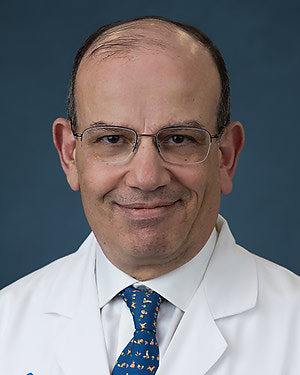
Dr. Atta and his research team explore the epidemiological and clinical interventions of a variety of kidney diseases. Our goal is not only to advance the understanding of many kidney diseases but also to capitalize on novel discoveries of basic science to treat a wide range of rare and common kidney disorders.
- Multi-international observational study of a rare form of amyloid (LECT2 amyloid) to understand its natural history with the ultimate interest of treating this condition.
- Our group has launched a project investigating the impact of COVID19 on the kidney to identify risk factors influencing outcome across different clinical phenotypes
- In collaboration with the Division of Infectious Diseases and the School of Public Health, our research has focused on the epidemiology of HIV and kidney disease. We also study clinical markers and contributing factors in the progression of kidney disease, and the association between kidney disease and heart disease.
- Our research group is participating in a multicenter consortium serving as a clinical core site to study the pathogenesis of HIV-associated kidney disease by providing well-characterized clinical specimens and corresponding clinical and laboratory data.
-
Marie-France Penet Lab
The Penet lab is within the Division of Cancer Imaging Research in the Department of Radiology and Radiological Science. The lab research focuses on using multimodal imaging techniques to better understand the microenvironment and improve cancer early detection, especially in ovarian cancer. By combining MRI, MRS and optical imaging, we are studying the tumor microenvironment to understand the role of hypoxia, tumor vascularization, macromolecular transport and tumor metabolism in tumor progression, metastasis and ascites formation in orthotopic models of cancer. We also are studying the role of tumor-associated macrophages in tumor progression. -
The Mumm Lab
The research conducted in the Mumm Lab (Dept. of Ophthalmology, Wilmer Eye Institute) is focused on understanding how neural circuits are formed, how they function, and how they can be regenerated, to develop new therapies for retinal regeneration. Toward that end, we investigate the development, function, and regeneration of disease-relevant neurons and neural circuits responsible for vision. An emphasis is placed on translating what can be learned in regenerative model systems to develop novel therapies for stimulating dormant regenerative capacities in humans, Therefore, we apply what we learn from a naturally regenerative species, the zebrafish, toward the development of novel therapies for restoring visual function to patients. We place an emphasis on unique perspectives zebrafish afford to biological studies, such as in vivo time-lapse imaging of cellular behaviors and cell-cell interactions, and high-throughput chemical and genetic screening. We have pioneered several technologies to support this work including multicolor imaging of neural circuit formation, a selective cell ablation methodology, and a quantitative high-throughput phenotypic screening platform. Together, these approaches are providing novel insights into how the degeneration and regeneration of discrete retinal cell types is controlled. -
Maternal-Fetal Medicine Research
The Division of Maternal-Fetal Medicine is engaged in clinical, basic bench and epidemiological research as one of its primary missions. Our strength lies in the expertise and diverse interests of our faculty, as well as in the collaborations with multiple other disciplines and departments throughout the School of Medicine, The Bloomberg School of Public Health, and the School of Biomedical Engineering. The strong research infrastructure of the Johns Hopkins University forms a solid foundation for the success of our integrated research program for Maternal-Fetal Medicine. -
Marvel Cognitive Neuropsychiatric Research Laboratory
The Cognitive Neuropsychiatric Research Laboratory (CNRLab) is part of the Division of Cognitive Neuroscience within the Department of Neurology at the Johns Hopkins University School of Medicine. Its current projects include investigating the motor system's contribution to cognitive function; HIV-related neuroplasticity and attention-to-reward as predictors of real world function; and brain function and cognition in Lyme disease. -
The Pathak Lab
The Pathak lab is within the Division of Cancer Imaging Research in the Department of Radiology and Radiological Science. We develop novel imaging methods, computational models and visualization tools to ‘make visible’ critical aspects of cancer, stroke and neurobiology. Our research broadly encompasses the following areas: Functional and Molecular Imaging; Clinical Biomarker Development; Image-based Systems Biology and Visualization and Computational Tools. We are dedicated to mentoring the next generation of imagers, biomedical engineers and visualizers. Additional information can be found at www.pathaklab.org or by emailing Dr. Pathak. -
The Johns Hopkins Center for Global NCD Research and Training
The Johns Hopkins Center for Global NCD Research and Training consists of faculty, fellows, and students from institutions across the United States and around the globe. Our mission is to conduct high-quality research and training for the prevention and control of non-communicable diseases in low- and middle-income countries (LMIC), with an aim to build local capacity through partnerships with local institutions and communities. Our current projects encompass subject matters ranging from clean cookstoves to mental health and involve sites in Peru, Uganda, Nepal, and Bangladesh. The burden of NCDs in LMICs is growing rapidly as a result of population aging, rapid unplanned urbanization, and the globalization of unhealthy lifestyles. We envision a robust and sustainable community of NCD researchers and trainees in both high and low income settings dedicated to improving health and well-being for all.