Research Lab Results
-
Victor Velculescu Lab
The lab currently focuses on identifying genetic alterations in cancer affecting sensitivity and resistance to targeted therapies, and connecting such changes to key clinical characteristics and novel therapeutic approaches. We have recently developed methods that allow noninvasive characterization of cancer, including the PARE method that provided the first whole genome analysis of tumor DNA in the circulation of cancer patients. These analyses provide a window into real-time genomic analyses of cancer patients and provide new avenues for personalized diagnostic and therapeutic intervention. -
Kenneth J. Pienta Lab
The Kenneth J. Pienta laboratory has championed the concept that cancer tumorigenesis and metastasis can best be understood utilizing the principles of Ecology. As a result, the Pienta laboratory is working to develop new treatments for cancer utilizing network disruption. -
Kristine Glunde Lab
The Glunde lab is within the Division of Cancer Imaging Research in the Department of Radiology and Radiological Science. The lab is developing mass spectrometry imaging as part of multimodal molecular imaging workflows to image and elucidate hypoxia-driven signaling pathways in breast cancer. They are working to further unravel the molecular basis of the aberrant choline phospholipid metabolism in cancer. The Glunde lab is developing novel optical imaging agents for multi-scale molecular imaging of lysosomes in breast tumors and discovering structural changes in Collagen I matrices and their role in breast cancer and metastasis. -
Komatsu Lab
Malfunction and malformation of blood vessels are associated with a broad range of medical conditions, including cancer, cardiovascular diseases, and neurological disorders. The ultimate goal of the Komatsu lab is to find a way to reverse the process of abnormal vessel formation and restore normal function to these vessels. In cancer, normalization of tumor blood vessels facilitates lymphocyte infiltration, potentiating anti-tumor immunity, and enhances the efficacy of immunotherapies as well as conventional cancer treatments. Normalization of regenerating blood vessels is also necessary for reestablishing blood flow to ischemic hearts and limbs, and preventing blindness caused by diabetic retinopathy or macular degeneration. Komatsu lab’s research is uncovering key molecular pathways important for the normalization of pathological vasculature.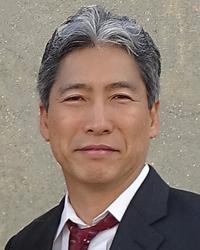
-
Kenneth W. Kinzler Laboratory
Dr. Kinzler’s laboratory has focused on the genetics of human cancer. They have identified a variety of genetic mutations that underlie cancer, including mutations of the APC pathway that appear to initiate the majority of colorectal cancers and IDH1/2 mutations that underlying many gliomas. In addition, they have developed a variety of powerful tools for analysis of expression and genetic alterations in cancer. Most recently, they have pioneered integrated whole genome analyses of human cancers through expression, copy number, and mutational analyses of all the coding genes in several human cancer types including colorectal, breast, pancreatic and brain. The identification of genetic differences between normal and tumor tissues provide new therapeutic targets, new opportunities for the early diagnosis of cancer, and important insights into the neoplastic process.
-
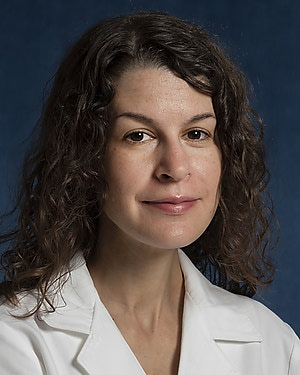
Lemberg Research Group
The mission of the Lemberg research group is to understand metabolism in childhood/young adult cancers in order to develop a better understanding of how these cancers develop, how they respond to treatments, and how children can go on to live healthy lives with or after a cancer history. We aim to investigate how tumors and the surrounding physiologic environments interact to drive nutrient use so that the tumor can grow and spread, and how the presence of a cancer affects the development of the whole child. Our ultimate goal is to improve outcomes for children and young adults with cancer.
-
Neuro-Oncology Surgical Outcomes Laboratory
Directed by Debraj “Raj” Mukherjee, MD, MPH, the laboratory focuses on improving access to care, reducing disparities, maximizing surgical outcomes, and optimizing quality of life for patients with brain and skull base tumors.
The laboratory achieves these aims by creating and analyzing institutional and national databases, developing and validating novel patient-centered quality of life instruments, leveraging machine learning and artificial intelligence platforms to risk-stratify vulnerable patient populations, and designing novel surgical trials to push the boundaries of neurosurgical innovation.
Our research also investigates novel approaches to improve neurosurgical medical education including studying the utility of video-based surgical coaching and the design of new operative instrumentation.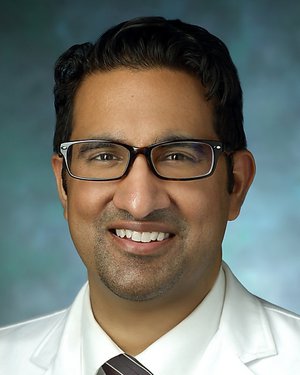
-
Follow the Leader: Specialized Cancer Cells Lead Collective Invasion (Ewald Lab)
Research in the Ewald laboratory starts from a simple question: Which cells in a breast tumor are the most dangerous to the patient and most responsible for metastatic disease? To answer this question, we developed novel 3-D culture assays to allow real-time analysis of invasion. Our data reveal that K14+ cancer cells play a central role in metastatic disease and suggest that the development of clinical strategies targeting these cells will provide novel breast cancer treatments. -
Mohamed Farah Lab
The Mohamed Farah Lab studies axonal regeneration in the peripheral nervous system. We've found that genetic deletion and pharmacological inhibition of beta-amyloid cleaving enzyme (BACE1) markedly accelerate axonal regeneration in the injured peripheral nerves of mice. We postulate that accelerated nerve regeneration is due to blockade of BACE1 cleavage of two different BACE1 substrates. The two candidate substrates are the amyloid precursor protein (APP) in axons and tumor necrosis factor receptor 1 (TNFR1) on macrophages, which infiltrate injured nerves and clear the inhibitory myelin debris. In the coming years, we will systematically explore genetic manipulations of these two substrates in regard to accelerated axonal regeneration and rapid myelin debris removal seen in BACE1 KO mice. We also study axonal sprouting and regeneration in motor neuron disease models. -
Mark Liu Lab
Research in the Mark Liu Lab explores several areas of pulmonary and respiratory medicine. Our studies primarily deal with allergic inflammation, chronic obstructive pulmonary disease (COPD) and asthma, specifically immunologic responses to asthma. We have worked to develop a microfluidic device with integrated ratiometric oxygen sensors to enable long-term control and monitoring of both chronic and cyclical hypoxia. In addition, we conduct research on topics such as the use of magnetic resonance angiography in evaluating intracranial vascular lesions and tumors as well as treatment of osteoporosis by deep sea water through bone regeneration.