Research Lab Results
-
Vascular Neurology Lab
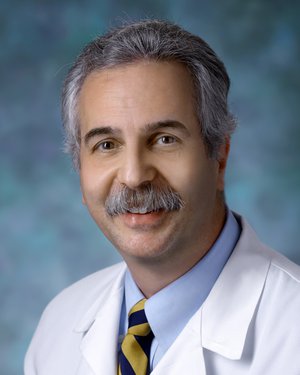
Vascular research led by Rafael Tamargo, M.D., the Walter E. Dandy Professor of Neurosurgery, explores treatment of aneurysms, arteriovenous malformations, cavernous malformations, and arteriovenous fistulas of the brain and spinal cord. Basic science research has focused on endothelial cell-leukocyte interactions (inflammation) after subarachnoid hemorrhage and identifying drugs that might inhibit this inflammatory response as well as the narrowing of blood vessels. -
Leucker Laboratory
The Leucker Laboratory is a translational cardiovascular research program dedicated to understanding the mechanisms underlying residual atherosclerotic cardiovascular disease risk and developing innovative strategies for cardiovascular prevention. Our work integrates human vascular biology, advanced cardiovascular imaging, epidemiology, and clinical trials to uncover the pathways linking inflammation, lipoproteins, endothelial dysfunction, and cardiometabolic disease to cardiovascular outcomes.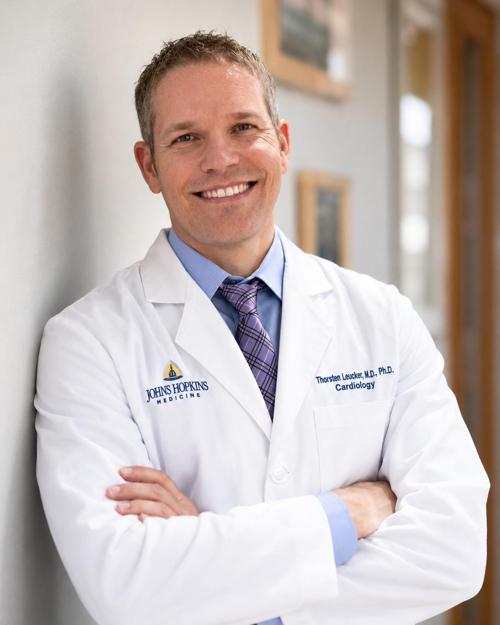
Principal Investigator
-
Steven Menez Lab
Dr. Menez and his laboratory are interested in clinical and translational acute kidney injury (AKI) research, specifically with a focus on the transition between AKI and chronic kidney disease (CKD). Dr. Menez has investigated novel approaches to evaluate AKI using biomarkers of kidney injury, inflammation, and repair in the multi-center TRIBE-AKI and ASSESS-AKI Studies. Dr. Menez collaborates nationwide through the NIDDK-sponsored Kidney Precision Medicine Project, with a goal to improve the global understanding of kidney disease subgroups and identify new pathways and targets for novel therapies.
Since the start of the COVID-19 pandemic, he has additionally investigated the impact of COVID19 on kidney health, including short-term outcomes including need for dialysis or in-hospital mortality, as well as longer-term outcomes post-hospital discharge.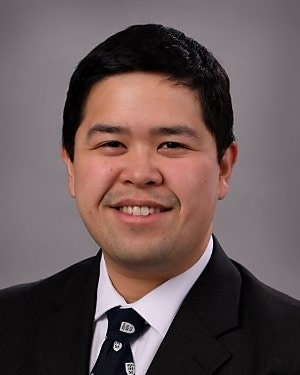
-
Brain Health Program
The Brain Health Program is a multidisciplinary team of faculty from the departments of neurology, psychiatry, epidemiology, and radiology lead by Leah Rubin and Jennifer Coughlin. In the hope of revealing new directions for therapies, the group studies molecular biomarkers identified from tissue and brain imaging that are associated with memory problems related to HIV infection, aging, dementia, mental illness and traumatic brain injury. The team seeks to advance policies and practices to optimize brain health in vulnerable populations while destigmatizing these brain disorders. Current and future projects include research on: the roles of the stress response, glucocorticoids, and inflammation in conditions that affect memory and the related factors that make people protected or or vulnerable to memory decline; new mobile apps that use iPads to improve our detection of memory deficits; clinical trials looking at short-term effects of low dose hydrocortisone and randomized to 28 days of treatment; imaging brain injury and repair in NFL players to guide players and the game; and the role of inflammation in memory deterioration in healthy aging, patients with HIV, and other neurodegenerative conditions. -
Stuart C. Ray Lab
Chronic viral hepatitis (due to HBV and HCV) is a major cause of liver disease worldwide, and an increasing cause of death in persons living with HIV/AIDS. Our laboratory studies are aimed at better defining the host-pathogen interactions in these infections, with particular focus on humoral and cellular immune responses, viral evasion, inflammation, fibrosis progression, and drug resistance. We are engaged in synthetic biology approaches to rational vaccine development and understanding the limits on the extraordinary genetic variability of HCV.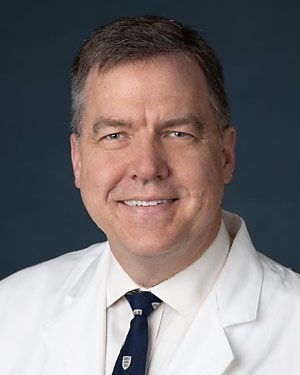
-
Systems Biology Laboratory
The Systems Biology Lab applies methods of multiscale modeling to problems of cancer and cardiovascular disease, and examines the systems biology of angiogenesis, breast cancer and peripheral artery disease (PAD). Using coordinated computational and experimental approaches, the lab studies the mechanisms of breast cancer tumor growth and metastasis to find ways to inhibit those processes. We use bioinformatics to discover novel agents that affect angiogenesis and perform in vitro and in vivo experiments to test these predictions. In addition we study protein networks that determine processes of angiogenesis, arteriogenesis and inflammation in PAD. The lab also investigates drug repurposing for potential applications as stimulators of therapeutic angiogenesis, examines signal transduction pathways and builds 3D models of angiogenesis. The lab has discovered over a hundred novel anti-angiogenic peptides, and has undertaken in vitro and in vivo studies testing their activity under different conditions. We have investigated structure-activity relationship (SAR) doing point mutations and amino acid substitutions and constructed biomimetic peptides derived from their endogenous progenitors. They have demonstrated the efficacy of selected peptides in mouse models of breast, lung and brain cancers, and in age-related macular degeneration.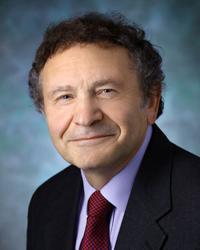
-
The Ramanathan Lab
Chronic rhinosinusitis (CRS) is a leading cause of morbidity globally and is the single most common self-reported chronic health condition and accounts for billions of dollars in health care costs and lost work days annually. Exposure to air pollutants is thought to be a critical modifier of CRS susceptibility. Despite marked reductions in air pollution levels in the United States, the fine particulate component of air pollution (PM2.5) and ultrafine pollutants secondary to traffic continue to remain a recalcitrant issue globally and in the United States. The Ramanathan Lab focuses on studying the role of air pollution (PM2.5) in CRS. In collaboration with scientists at the Bloomberg School of Public Health, we have utilized a state of the art air pollution exposure system to develop a novel mouse model of air pollution induced rhinosinusitis that mimics many of the features of CRS in humans. Our lab uses transgenic mouse models and novel immunologic/genomic techniques to study the mechanisms by which PM2.5 causes eosinophilic inflammation and sinonasal epithelial barrier dysfunction. We are also interested in the role of the antioxidant transcription factor, Nrf2, which has shown to stabilize the epithelial barrier and reduce eosinophilia in PM induced rhinosinusitis as a potential therapeutic target.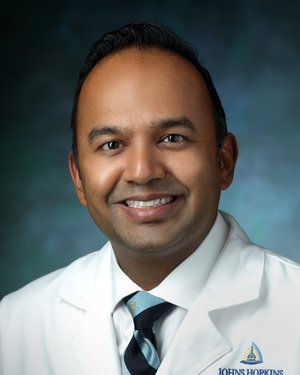
-
Rachel Damico Lab
Work in the Rachel Damico Lab explores topics within the fields of vascular biology and pulmonary medicine, with a focus on acute lung injury and apoptosis in lung diseases. Our studies have included examining idiopathic and scleroderma-associated pulmonary arterial hypertension, vascular receptor autoantibodies, and the link between inflammation and the Warburg phenomenon in patients with pulmonary arterial hypertension. We have also researched the inhibitory factor of macrophage migration and its governing of endothelial cell sensitivity to LPS-induced apoptosis.