Research Lab Results
-
William Checkley Lab
Research in the William Checkley Lab explores the field of lung health, with an emphasis on the epidemiology of obstructive lung diseases as well as acute lung injury and mechanical ventilation. We also explore the interactions between nutrition and infection, and the impact of environmental exposures to health.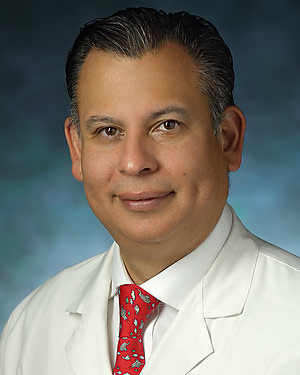
-
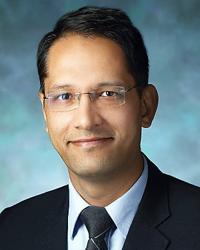
Lamichhane Lab
Our research focuses on the biology of the peptidoglycan of Mycobacterium tuberculosis, the organism that causes tuberculosis, and Mycobacteroides abscessus, a related bacterium that causes opportunistic infections. We study basic mechanisms associated with peptidoglycan physiology but with an intent to leverage our findings to develop tools that will be useful in the clinic to treat mycobacterial infections. Peptidoglycan is the exoskeleton of bacteria that not only provides structural rigidity and cell shape but also several vital physiological functions. Breaching this structure is often lethal to bacteria. We are exploring fundamental mechanisms by which bacteria synthesize and preserve their peptidoglycan. Although our lab uses genetic, biochemical and biophysical approaches to study the peptidoglycan, we pursue questions irrespective of the expertise required to answer those questions. It is through these studies that we identified synergy between two beta-lactam antibiotics against select mycobacteria. -
Henry Michtalik Lab
Researchers in the Henry Michtalik Lab are interested in patient safety—particularly as it relates to patient census statistics and acute to primary care transitions—and quality improvement and systems management.
-
Robert Bollinger Lab
The key research interests in the Robert Bollinger Lab include identifying biological and behavioral risk factors for HIV transmission as well as characterizing the clinical progression and treatment of HIV and related infectious diseases. We also have a long-standing interest in optimizing health care capacity and delivery in settings with limited resources. Our work includes implementing science research projects to explore the effectiveness of initiatives such as task-shifting, clinical education, distance learning and mobile health programs as a way to improve health care in these locations.
-
Robert Gilman Lab
Research in the Robert Gilman Lab focuses on disease control. Our work led to the development of microscopic-observation drug-susceptibility (MODS), a rapid tuberculosis diagnostic technique. We continue to conduct infectious disease research based at Peru’s Universidad Peruana Cayetano Heredia.
-
Redonda Miller Lab
Research in the Redonda Miller Lab is focused on women’s health, including osteoporosis and menopause, and medical education. We're also interested in physician practice issues.
-
Philip Wong Lab
The Philip Wong Lab seeks to understand the molecular mechanisms and identification of new therapeutic targets of neurodegenerative diseases, particularly Alzheimer's disease (AD) and amyotrophic lateral sclerosis (ALS). Taking advantage of discoveries of genes linked to these diseases (mutant APP and PS in familial AD and mutant SOD1, dynactin p150glued ALS4and ALS2 in familial ALS), our laboratory is taking a molecular/cellular approach, including transgenic, gene targeting and RNAi strategies in mice, to develop models that facilitate our understanding of pathogenesis of disease and the identification and validation of novel targets for mechanism-based therapeutics. Significantly, these mouse models are instrumental for study of disease mechanisms, as well as for design and testing of therapeutic strategies for AD and ALS. -
Balagopal Lab - Viral Hepatitis and Translational Virology
The Balagopal Lab has adapted high-resolution tools to study viruses in situ. Specifically, we were the first to quantify hepatitis C virus (HCV) infection in single hepatocytes by developing single-cell laser capture microdissection (scLCM) and integrating this tool with highly sensitive quantitative real-time PCR. We reported that HCV infects a minority of hepatocytes that are found in geospatial clusters. More recently, we (PIs Balagopal and Thio) integrated scLCM with droplet digital PCR (ddPCR) to reveal the first observations of hepatitis B virus (HBV) infection at single cell resolution in the liver. We found that HBV infects nearly all hepatocytes prior to antiviral therapy. However, during antiviral therapy, HBV infection is diminished while viral transcription is markedly attenuated. Our lab has also focused on HIV-1 infection and immune activation for over a decade. Most recently, we have studied type 1 interferon responses to HIV-1 using RNA sequencing (RNAseq). Using this technology, we identified novel interferon-stimulated genes (ISGs) that are associated with HIV-1 restriction in vivo.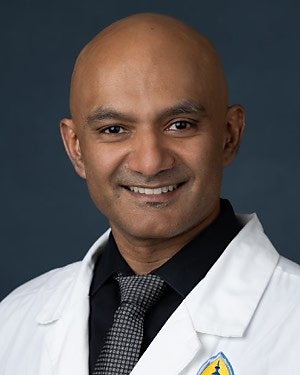
-
Amita Gupta Lab
The Amita Gupta Lab focuses on drug trials to prevent and treat HIV, tuberculosis (TB) and other co-morbidities in adults, including pregnant women and children who reside in low-income settings. We also conduct cohort studies assessing HIV, inflammation and nutrition in international settings; TB in pregnancy; and risk factors for TB in India (CTRIUMPH). We collaborate with several faculty in the Center for TB Research, Division of Infectious Diseases and the School of Public Health.
-
Alan Baer Lab
Research in the Alan Baer Lab focuses on Sjogren's syndrome. Previously, we conducted the Sjogren's International Registry (SICCA), enrolling 300 patients and creating a valuable source of clinical data and biospecimens for research we're conducting with colleagues at Johns Hopkins and the University of California-San Francisco. Currently, we're conducting a longitudinal observational study of patients with Sjogren's syndrome. We're also collaborating with Dr. Ben Larman in the Department of Pathology, using phage immuno-precipation sequencing to work on a characterization of the complete autoantibody repertoire in Sjogren's syndrome patients.