Research Lab Results
-
Elizabeth Selvin Lab
The Elizabeth Selvin Lab examines the intersection of epidemiology, clinical policy and public health policy. One of our key goals is to use the findings of epidemiologic research to inform the screening, diagnosis and treatment of diabetes, cardiovascular disease and kidney disease. Much of our work looks at biomarkers and diagnostics related to diabetes and diabetes complications. Our findings — linking hemoglobin A1c (HbA1c) to diabetic complications and identifying the role of A1c in diabetes diagnosis — have influenced clinical practice guidelines.
-
Zanvyl Krieger Mind/Brain Institute
The Zanvyl Krieger Mind/Brain Institute is dedicated to the study of the neural mechanisms of higher brain functions using modern neurophysiological, anatomical and computational techniques. Our researchers use various approaches to understand information processing and its influence on perception, memory, abstract thought, complex behavior and consciousness. Systems and cognitive laboratories use neurophysiology, brain imaging and psychophysics to develop a quantitative, network-level understanding of cognitive information processing. Other researchers use analytical approaches such as system identification, dimensionality reduction, information theory and network modeling to understand information processing. Other areas of research in the Institute include the study of how visual and tactile information processing leads to perception and understanding of two- and three-dimensional objects. Another focus is on neural processing and recognition of speech and other complex sounds. Still other laboratories study neural mechanisms of attention, memory formation, motor learning, decision-making and executive control of behavior. -
Kalina Hristova Lab
The Kalina Hristova Lab investigates the structure and assembly of biological membranes. Our team conducts research on the structural and thermodynamic principles that enable membrane protein folding and signal transduction across biological membranes. Part of our work has involved developing new tools to study the structure of thermally disordered fluid membranes and the energetics of biomolecular interactions in biological membranes. Through our studies, we have established a better understanding of the physical principles behind complex biological processes and the mechanisms of disease development in humans.
-
Kass Lab
Basic science investigations span an array of inquiries, such as understanding the basic mechanisms underlying cardiac dyssynchrony and resynchronization in the failing heart, and beneficial influences of nitric oxide/cGMP/protein kinase G and cGMP-targeted phosphdiesterase signaling cascades on cardiac maladaptive stress remodeling. Recently, the latter has particularly focused on the role of phosphodiesterase type 5 and its pharmacologic inhibitors (e.g. sildenafi, Viagra®), on myocyte signaling cascades modulated by protein kinase G, and on the nitric oxide synthase dysregulation coupled with oxidant stress. The lab also conducts clinical research and is presently exploring new treatments for heart failure with a preserved ejection fraction, studying ventricular-arterial interaction and its role in adverse heart-vessel coupling in left heart failure and pulmonary hypertension, and testing new drug, device, and cell therapies for heart disease. A major theme has been with the use of advanced non-invasive and invasive catheterization-based methods to assess cardiac mechanics in patients.asive and invasive catheterization-based methods to assess cardiac mechanics in patients. David Kass, MD, is currently the Director at the Johns Hopkins Center for Molecular Cardiobiology and a professor in cellular and molecular medicine. -
Kunisaki Lab
The Kunisaki lab is a NIH-funded regenerative medicine group within the Division of General Pediatric Surgery at Johns Hopkins that works at the interface of stem cells, mechanobiology, and materials science. We seek to understand how biomaterials and mechanical forces affect developing tissues relevant to pediatric surgical disorders. To accomplish these aims, we take a developmental biology approach using induced pluripotent stem cells and other progenitor cell populations to understand the cellular and molecular mechanisms by which fetal organs develop in disease.
Our lab projects can be broadly divided into three major areas: 1) fetal spinal cord regeneration 2) fetal lung development 3) esophageal regeneration
Lab members: Juan Biancotti, PhD (Instructor/lab manager); Annie Sescleifer, MD (postdoc surgical resident); Kyra Halbert-Elliott (med student), Ciaran Bubb (undergrad)
Recent publications:
Kunisaki SM, Jiang G, Biancotti JC, Ho KKY, Dye BR, Liu AP, Spence JR. Human induced pluripotent stem cell-derived lung organoids in an ex vivo model of congenital diaphragmatic hernia fetal lung. Stem Cells Translational Medicine 2021, PMID: 32949227Biancotti JC, Walker KA, Jiang G, Di Bernardo J, Shea LD, Kunisaki SM. Hydrogel and neural progenitor cell delivery supports organotypic fetal spinal cord development in an ex vivo model of prenatal spina bifida repair. Journal of Tissue Engineering 2020, PMID: 32782773.
Kunisaki SM. Amniotic fluid stem cells for the treatment of surgical disorders in the fetus and neonate. Stem Cells Translational Medicine 2018, 7:767-773
-
Lakshmi Santhanam Lab
Investigators in the Lakshmi Santhanam Lab examine the fundamental mechanisms behind cardiovascular disease. They are particularly interested in better understanding how nitric oxide-mediated S-nitrosylation (a post-translational protein modification) impacts protein function and trafficking in the vasculature as well as how this relationship influences matrix remodeling and vascular stiffening.
-
Nadia Hansel Lab
Research in the Nadia Hansel Lab investigates the clinical, pathophysiologic and public health aspects of pulmonary diseases, with a focus on asthma and chronic obstructive pulmonary disease (COPD). We have explored how environmental exposures, nutrition and diet, comorbidity and other factors influence the outcomes of diseases such as asthma and COPD.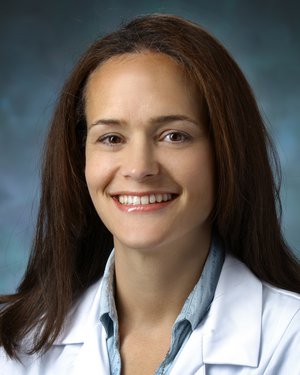
-
Nicholas Flavahan Lab
The Nicholas Flavahan Lab primarily researches the cellular interactions and subcellular signaling pathways that control normal vascular function and regulate the initiation of vascular disease. We use biochemical and molecular analyses of cellular mediators and cell signaling mechanisms in cultured vascular cells, while also conducting physiological assessments and fluorescent microscopic imaging of signaling systems in isolated blood vessels. A major component of our research involves aterioles, tiny blood vessles that are responsible for controlling the peripheral resistance of the cardiovascular system, which help determine organ blood flow. -
O'Rourke Lab
The O’Rourke Lab uses an integrated approach to study the biophysics and physiology of cardiac cells in normal and diseased states. Research in our lab has incorporated mitochondrial energetics, Ca2+ dynamics, and electrophysiology to provide tools for studying how defective function of one component of the cell can lead to catastrophic effects on whole cell and whole organ function. By understanding the links between Ca2+, electrical excitability and energy production, we hope to understand the cellular basis of cardiac arrhythmias, ischemia-reperfusion injury, and sudden death. We use state-of-the-art techniques, including single-channel and whole-cell patch clamp, microfluorimetry, conventional and two-photon fluorescence imaging, and molecular biology to study the structure and function of single proteins to the intact muscle. Experimental results are compared with simulations of computational models in order to understand the findings in the context of the system as a whole. Ongoing studies in our lab are focused on identifying the specific molecular targets modified by oxidative or ischemic stress and how they affect mitochondrial and whole heart function. The motivation for all of the work is to understand • how the molecular details of the heart cell work together to maintain function and • how the synchronization of the parts can go wrong Rational strategies can then be devised to correct dysfunction during the progression of disease through a comprehensive understanding of basic mechanisms. Brian O’Rourke, PhD, is a professor in the Division of Cardiology and Vice Chair of Basic and Translational Research, Department of Medicine, at the Johns Hopkins University.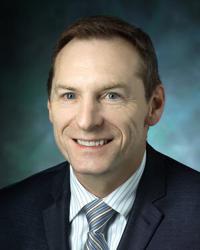
-
Zhaozhu Qiu Laboratory
Ion channels are pore-forming membrane proteins gating the flow of ions across the cell membrane. Among their many functions, ion channels regulate cell volume, control epithelial fluid secretion, and generate the electrical impulses in our brain. The Qiu Lab employs a multi-disciplinary approach including high-throughput functional genomics, electrophysiology, biochemistry, and mouse genetics to discover novel ion channels and to elucidate their role in health and disease.