Research Lab Results
-
Cardiology Bioengineering Laboratory
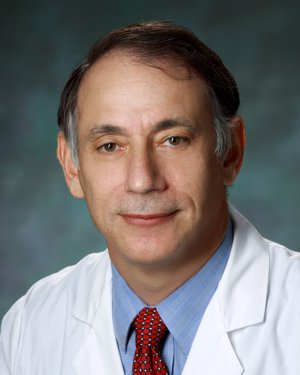
The Cardiology Bioengineering Laboratory, located in the Johns Hopkins Hospital, focuses on the applications of advanced imaging techniques for arrhythmia management. The primary limitation of current fluoroscopy-guided techniques for ablation of cardiac arrhythmia is the inability to visualize soft tissues and 3-dimensional anatomic relationships. Implementation of alternative advanced modalities has the potential to improve complex ablation procedures by guiding catheter placement, visualizing abnormal scar tissue, reducing procedural time devoted to mapping, and eliminating patient and operator exposure to radiation. Active projects include • Physiological differences between isolated hearts in ventricular fibrillation and pulseless electrical activity • Successful ablation sites in ischemic ventricular tachycardia in a porcine model and the correlation to magnetic resonance imaging (MRI) • MRI-guided radiofrequency ablation of canine atrial fibrillation, and diagnosis and intervention for arrhythmias • Physiological and metabolic effects of interruptions in chest compressions during cardiopulmonary resuscitation Henry Halperin, MD, is co-director of the Johns Hopkins Imaging Institute of Excellence and a professor of medicine, radiology and biomedical engineering. Menekhem M. Zviman, PhD is the laboratory manager. -
Accessible Magnetic Resonance Laboratory
VISION: To make MRI more equitable and inclusive
MISSION: To develop and deploy MRI tools and methods to enable accessible imaging of underserved populations
-
Clifton O. Bingham III Lab
Research in the Clifton O. Bingham III Lab focuses on defining clinical and biochemical disease phenotypes related to therapeutic responses in rheumatoid arthritis and osteoarthritis; developing rational clinical trial designs to test new treatments; improving patient-reported outcome measures; evaluating novel imaging modalities for arthritis; and examining the role of oral health in inflammatory arthritis.
-
The Bigos Lab
The Bigos Lab focuses on a Precision Medicine approach to the treatment of psychiatric illness. In addition, this lab employs functional neuroimaging and genetics as biomarkers in neuropsychiatric drug development. A recent study used functional MRI to test the neural effects of a drug with the potential to treat cognitive dysfunction in schizophrenia. Other studies aim to identify patient-specific variables including sex, race, and genetics that impact drug clearance and clinical response to better select and dose antipsychotics and antidepressants.
-
Dmitri Artemov Lab
The Artemov lab is within the Division of Cancer Imaging Research in the Department of Radiology and Radiological Science. The lab focuses on 1) Use of advanced dynamic contrast enhanced-MRI and activated dual-contrast MRI to perform image-guided combination therapy of triple negative breast cancer and to assess therapeutic response. 2) Development of noninvasive MR markers of cell viability based on a dual-contrast technique that enables simultaneous tracking and monitoring of viability of transplanted stems cells in vivo. 3) Development of Tc-99m and Ga-68 angiogenic SPECT/PET tracers to image expression of VEGF receptors that are involved in tumor angiogenesis and can be important therapeutic targets. 4) Development of the concept of “click therapy” that combines advantages of multi-component targeting, bio-orthogonal conjugation and image guidance and preclinical validation in breast and prostate cancer models.
-
Dara Kraitchman Laboratory
The Dara Kraitchman Laboratory focuses on non-invasive imaging and minimally invasive treatment of cardiovascular disease. Our laboratory is actively involved in developing new methods to image myocardial function and perfusion using MRI. Current research interests are aimed at determining the optimal timing and method of the administration of mesenchymal stem cells to regenerate infarcted myocardium using non-invasive MR fluoroscopic delivery and imaging. MRI and radiolabeling techniques include novel MR and radiotracer stem cell labeling methods to determine the location, quantity and biodistribution of stem cells after delivery as well as to noninvasively determine the efficacy of these therapies in acute myocardial infarction and peripheral arterial disease. Our other research focuses on the development of new animal models of human disease for noninvasive imaging studies and the development of promising new therapies in clinical trials for companion animals.
-
Elizabeth Tucker Lab
Research in the Elizabeth Tucker Lab aims to find treatments that decrease neuroinflammation and improve recovery, as well as to improve morbidity and mortality in patients with infectious neurological diseases. We are currently working with Drs. Sujatha Kannan and Sanjay Jain to study neuroinflammation related to central nervous system tuberculosis – using an animal model to examine the role of neuroinflammation in this disease and how it can differ in developing brains and adult brains. Our team also is working with Dr. Jain to study noninvasive imaging techniques for use in monitoring disease progression and evaluating treatment responses. -
Wojciech Zbijewski Lab
Research in the Wojciech Zbijewski Lab — a component of the Imaging for Surgery, Therapy and Radiology (I-STAR) Lab — focuses on system modeling techniques to optimize the x-ray CT imaging chain. We’re specifically interested in: 1) using numerical models to improve the task-based optimization of image quality; 2) exploring advanced modeling of physics in statistical reconstruction; 3) using accelerated Monte Carlo methods in CT imaging; and 4) conducting experimental validation of such approaches and applying them to the development of new imaging methods.
-
Kendall Moseley Lab
Research in the Kendall Moseley Lab is focused on the interplay between type 2 diabetes, aging and osteoporosis. We also study the function of bone stem cells in the regulation of bone remodeling.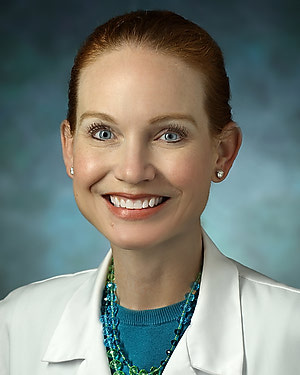
-
Katherine Wilson Lab
Research in the Wilson Lab focuses on three components of nuclear lamina structure: lamins, LEM-domain proteins (emerin), and BAF. These three proteins all bind each other directly, and are collectively required to organize and regulate chromatin, efficiently segregate chromosomes and rebuild nuclear structure after mitosis. Mutations in one or more of these proteins cause a variety of diseases including Emery-Dreifuss muscular dystrophy (EDMD), cardiomyopathy, lipodystrophy and diabetes, and accelerated aging. We are examining emerin's role in mechanotransduction, how emerin and lamin A are regulated, and whether misregulation contributes to disease.