Research Lab Results
-
The Sun Laboratory
The nervous system has extremely complex RNA processing regulation. Dysfunction of RNA metabolism has emerged to play crucial roles in multiple neurological diseases. Mutations and pathologies of several RNA-binding proteins are found to be associated with neurodegeneration in both amyotrophic lateral sclerosis (ALS) and frontotemporal dementia (FTD). An alternative RNA-mediated toxicity arises from microsatellite repeat instability in the human genome. The expanded repeat-containing RNAs could potentially induce neuron toxicity by disrupting protein and RNA homeostasis through various mechanisms. The Sun Lab is interested in deciphering the RNA processing pathways altered by the ALS-causative mutants to uncover the mechanisms of toxicity and molecular basis of cell type-selective vulnerability. Another major focus of the group is to identify small molecule and genetic inhibitors of neuron toxic factors using various high-throughput screening platforms. Finally, we are also highly interested in developing novel CRISPR technique-based therapeutic strategies. We seek to translate the mechanistic findings at molecular level to therapeutic target development to advance treatment options against neurodegenerative diseases. -
Stivers Lab
The Stivers Lab is broadly interested in the biology of the RNA base uracil when it is present in DNA. Our work involves structural and biophysical studies of uracil recognition by DNA repair enzymes, the central role of uracil in adapative and innate immunity, and the function of uracil in antifolate and fluoropyrimidine chemotherapy. We use a wide breadth of structural, chemical, genetic and biophysical approaches that provide a fundamental understanding of molecular function. Our long-range goal is to use this understanding to design novel small molecules that alter biological pathways within a cellular environment. One approach we are developing is the high-throughput synthesis and screening of small molecule libraries directed at important targets in cancer and HIV-1 pathogenesis. -
Salzberg Lab
Research in the Salzberg Lab focuses on the development of new computational methods for analysis of DNA from the latest sequencing technologies. Over the years, we have developed and applied software to many problems in gene finding, genome assembly, comparative genomics, evolutionary genomics and sequencing technology itself. Our current work emphasizes analysis of DNA and RNA sequenced with next-generation technology. -
Ryuya Fukunaga Lab
The Fukunaga Lab uses multidisciplinary approaches to understand the cell biology, biogenesis and function of RNA-binding proteins and small silencing RNAs from the atomic to the organismal level. The lab studies (1) biology and molecular functions and mechanisms of uncharacterized RNA-binding proteins, and (2) how small silencing RNAs, including microRNAs (miRNAs), small interfering RNAs (siRNAs) and piwi-interacting RNAs (piRNAs), are produced and function. Mutations in the RNA-binding protein and small RNA genes cause many diseases, including cancers. We use a combination of biochemistry, Drosophila genetics, molecular biology, cell culture, and next-generation sequencing, to answer fundamental biological questions and also potentially lead to therapeutic applications to human diseases. -
Robert Brodsky Lab
Investigators in the Robert Brodsky Lab study normal and abnormal hematopoiesis, particularly mutations of the phosphatidylinositol glycan anchor biosynthesis class A (PIG-A) gene in aplastic anemia. Our team has developed a new diagnostic assay for paroxysmal nocturnal hemoglobinuria (PNH) that is based on the toxin Aaeromonas hydrophila.
-
Joseph Margolick Lab
Research in the Joseph Margolick Lab focuses on the many effects of HIV/AIDS on human health. We are particularly interested in the mechanisms of T-cell loss and preservation among people infected with HIV and the evaluation of human immune functions.
-
Swallowing Investigation in Physiology (SIP) Lab
The SIP Lab studies the mechanisms of normal and disordered swallowing. The team conducts research in the areas of swallowing rehabilitation after stroke, effects of aging on swallowing and measurement of swallowing physiology. -
Amy Knight Lab
Research in the Amy Knight Lab focuses on methods by which information technology can improve the quality of health care. We investigate the role computer systems can play in expanding patient-doctor communication, streamlining healthcare tasks for both medical students and practitioners, and establishing a higher standard of care. Our studies have explored the effectiveness of semi-automating daily progress notes for improved documentation, peer assessment of professional performance among hospitalists, ways to enable patient-centered care using information technology and other topics.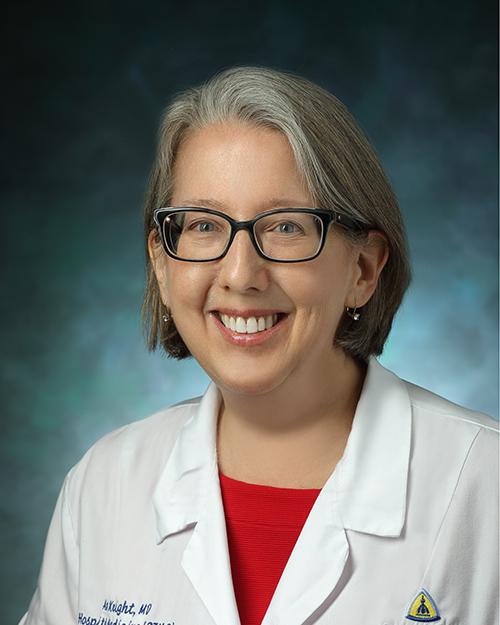
-
Anna Durbin Lab
The Anna Durbin Lab evaluates experimental vaccines through human clinical trials. We have conducted both pediatric and adult clinical trials on vaccines for HIV, hepatitis C, HPV, influenza, malaria, dengue virus, rotavirus and other viruses. We also have a longstanding interest in better understanding the immunologic factors of dengue infection and disease. We’re working to identify the viral, host and immunologic factors that cause severe dengue illness. -
David Sack Lab
Research in the David Sack Lab focuses on enteric infections. Our team has worked to develop laboratory detection methods to better understand the epidemiology of these agents. We also work to create appropriate clinical management strategies, such as antibiotics and rehydration methods, for enteric infections. Our work has included participating in the development of vaccines for a range of bacterial infections, including rotavirus, cholera and enterotoxigenic E. coli.