Research Lab Results
-
Caren L. Freel Meyers Laboratory
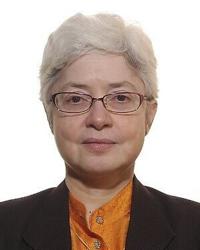
The long-term goal of the Caren L. Freel Meyers Laboratory is to develop novel approaches to kill human pathogens, including bacterial pathogens and malaria parasites, with the ultimate objective of developing potential therapeutic agents. Toward this goal, we are pursuing studies of bacterial isoprenoid biosynthetic enzymes comprising the methylerythritol phosphate (MEP) pathway essential in many human pathogens. Studies focus on understanding mechanism and regulation in the pathway toward the development of selective inhibitors of isoprenoid biosynthesis. Our strategies for creating new anti-infective agents involve interdisciplinary research in the continuum of organic, biological and medicinal chemistry. Molecular biology, protein expression and biochemistry, and synthetic chemistry are key tools for our research.
-
Charles W. Flexner Laboratory
A. Laboratory activities include the use of accelerator mass spectrometry (AMS) techniques to measure intracellular drugs and drugs metabolites. AMS is a highly sensitive method for detecting tracer amounts of radio-labeled molecules in cells, tissues, and body fluids. We have been able to measure intracellular zidovudine triphosphate (the active anabolite of zidovudine) in peripheral blood mononuclear cells from healthy volunteers given small doses of 14C-zidovudine, and have directly compared the sensitivity of AMS to traditional LC/MS methods carried out in our laboratory. B. Clinical research activities investigate the clinical pharmacology of new anti-HIV therapies and drug combinations. Specific drug classes studied include HIV reverse transcriptase inhibitors, protease inhibitors, entry inhibitors (selective CCR5 and CXCR4 antagonists), and integrase inhibitors. Scientific objectives of clinical studies include characterization of early drug activity, toxicity, and pharmacokinetics. Additional objectives are characterization of pathways of drug metabolism, and identification of clinically significant harmful and beneficial drug interactions mediated by hepatic and intestinal cytochrome P450 isoforms.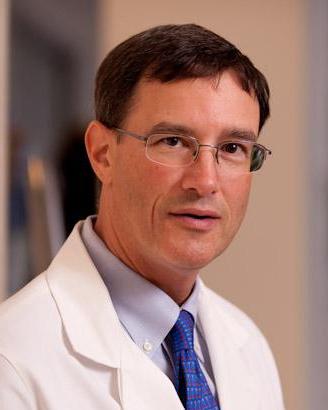
-
Center on Aging and Health
The Center on Aging and Health pursues creative approaches to solve the important health and health care problems for an aging population. Research in our center involves population-based and clinical studies of the causes, correlates, and consequences of aging-related conditions, including frailty, disability, and social isolation. We house four distinct research working groups: the Frailty and Multisystem Dysregulation Working Group; the Family and Social Resources Working Group; the Cognitive and Sensory Functions Working Group; and the Biostatistics, Design and Analysis Working Group. We provide key infrastructure, such as the statistical data core, that supports clinical- and population-based research and education with expertise in research with older adults. -
Dmitri Artemov Lab
The Artemov lab is within the Division of Cancer Imaging Research in the Department of Radiology and Radiological Science. The lab focuses on 1) Use of advanced dynamic contrast enhanced-MRI and activated dual-contrast MRI to perform image-guided combination therapy of triple negative breast cancer and to assess therapeutic response. 2) Development of noninvasive MR markers of cell viability based on a dual-contrast technique that enables simultaneous tracking and monitoring of viability of transplanted stems cells in vivo. 3) Development of Tc-99m and Ga-68 angiogenic SPECT/PET tracers to image expression of VEGF receptors that are involved in tumor angiogenesis and can be important therapeutic targets. 4) Development of the concept of “click therapy” that combines advantages of multi-component targeting, bio-orthogonal conjugation and image guidance and preclinical validation in breast and prostate cancer models.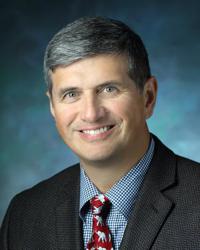
-
David Sullivan Lab
Research in the David Sullivan Lab focuses on malaria, including its diagnosis, treatment, molecular biology as it relates to iron, and pathology as it relates to severe anemia. We test and develop new malaria diagnostics — from real-time polymerase chain reaction (PCR) to novel urine and saliva detection platforms. This includes the adaptation of immuno-PCR (antibody coupled to DNA for PCR detection) to malaria and a lead blood stage drug that contains a quinine derivative used to treat malaria in the 1930s.
-
Yun Guan Lab
Research is the Yun Guan Lab explores the peripheral, spinal and supraspinal mechanisms of chronic pain. Our long-term goal is to develop better strategies and novel targets for treatment of pathological pain conditions. Our team’s multidisciplinary research uses electrophysiological, molecular biological, immunocytochemical and behavioral pharmacological approaches to study neurobiological mechanisms of pain and hyperalgesia that occur following tissue or nerve injury. -
Kass Lab
Basic science investigations span an array of inquiries, such as understanding the basic mechanisms underlying cardiac dyssynchrony and resynchronization in the failing heart, and beneficial influences of nitric oxide/cGMP/protein kinase G and cGMP-targeted phosphdiesterase signaling cascades on cardiac maladaptive stress remodeling. Recently, the latter has particularly focused on the role of phosphodiesterase type 5 and its pharmacologic inhibitors (e.g. sildenafi, Viagra®), on myocyte signaling cascades modulated by protein kinase G, and on the nitric oxide synthase dysregulation coupled with oxidant stress. The lab also conducts clinical research and is presently exploring new treatments for heart failure with a preserved ejection fraction, studying ventricular-arterial interaction and its role in adverse heart-vessel coupling in left heart failure and pulmonary hypertension, and testing new drug, device, and cell therapies for heart disease. A major theme has been with the use of advanced non-invasive and invasive catheterization-based methods to assess cardiac mechanics in patients.asive and invasive catheterization-based methods to assess cardiac mechanics in patients. David Kass, MD, is currently the Director at the Johns Hopkins Center for Molecular Cardiobiology and a professor in cellular and molecular medicine. -
Lima Lab
The Lima Lab’s research is concentrated on the development and application of imaging and technology to address scientific and clinical problems involving the heart and vascular system. Specifically, our research is focused on developing magnetic resonance imaging (MRI) contrast techniques to investigate microvascular function in patients and experimental animals with myocardial infarction; functional reserve secondary to dobutamine stimulation and myocardial viability assessed by sodium imaging; and cardiac MRI and computed tomography (CT) program development of techniques to characterize atherosclerosis in humans with cardiovascular or cerebrovascular disease. Current projects include: • The Coronary Artery Risk Development in Young Adults (CARDIA) Study • The MESA (Multi-Ethnic Study of Atherosclerosis) Study • The Coronary Artery Evaluation using 64-row Multidetector Computed Tomography Angiography (CORE64) Study Joao Lima, MD, is a professor of medicine, radiology and epidemiology at the Johns Hopkins School of Medicine. -
Inoue Lab
Complexity in signaling networks is often derived from co-opting one set of molecules for multiple operations. Understanding how cells achieve such sophisticated processing using a finite set of molecules within a confined space--what we call the ""signaling paradox""--is critical to biology and engineering as well as the emerging field of synthetic biology. In the Inoue Lab, we have recently developed a series of chemical-molecular tools that allow for inducible, quick-onset and specific perturbation of various signaling molecules. Using this novel technique in conjunction with fluorescence imaging, microfabricated devices, quantitative analysis and computational modeling, we are dissecting intricate signaling networks. In particular, we investigate positive-feedback mechanisms underlying the initiation of neutrophil chemotaxis (known as symmetry breaking), as well as spatio-temporally compartmentalized signaling of Ras and membrane lipids such as phosphoinositides. In parallel, we also try to understand how cell morphology affects biochemical pathways inside cells. Ultimately, we will generate completely orthogonal machinery in cells to achieve existing, as well as novel, cellular functions. Our synthetic, multidisciplinary approach will elucidate the signaling paradox created by nature. -
MRB Molecular Imaging Service Center and Cancer Functional Imaging Core
Established in 2004, the MRB Molecular Imaging Service Center and Cancer Functional Imaging Core provides comprehensive molecular and functional imaging infrastructure to support the imaging research needs of the Johns Hopkins University faculty. Approximately 55-65 different Principal Investigators use the center annually. The MRB Molecular Imaging Service Center is located behind the barrier within the transgenic animal facility in the basement of MRB. The MRB location houses a 9.4T MRI/S scanner for magnetic resonance imaging and spectroscopy, an Olympus multiphoton microscope with in vivo imaging capability, a PET-CT scanner, a PET-SPECT scanner, and a SPECT-CT scanner for nuclear imaging, multiple optical imaging scanners including an IVIS Spectrum, and a LI COR near infrared scanner, and an ultrasound scanner. A brand new satellite facility in CRB2-LB03 opens in 2019 to house a simultaneous 7T PET-MR scanner, as well as additional imaging equipment, to meet the growing molecular and functional imaging research needs of investigators. To image with us, MRB Animal Facility training and Imaging Center Orientation are required to obtain access to the MRB Animal Facility and to the MRB Molecular Imaging Center (Suite B14). The MRB Animal Facility training group meets at 9:30 am on Thursdays at the Turner fountain/MRB elevator lobby. The Imaging Center orientation group meets at 1 pm on Thursdays at the Turner fountain, and orientation takes approximately 30 min. Please keep in mind that obtaining access to both facilities requires time, so please plan in advance.