Research Lab Results
-
Green Lab
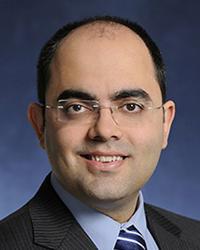
Work in the Green Lab is centered on the ribosome. The overall fidelity of protein synthesis appears to be limited by the action of the ribosome, which is the two-subunit macromolecular machine responsible for decoding and translating messenger RNAs (mRNAs) into protein in all organisms. Our work is divided into four general project areas. The longest-standing research area concerns the interactions of eubacterial ribosomes and release factors. The goal is to understand the mechanism of action of release factors on the ribosome. A second research area involves biochemical and structure/function studies of the miRNA pathway, particularly the mechanism of action of the Argonaute proteins and their interacting factors. A third area of work in the lab is centered around regulation of eukaryotic translation, specifically in understanding the mechanism behind various mRNA quality control pathways and the interactions of proteins therein, as well as with the ribosome. The newest area of research in the lab extends our strengths in ribosome biochemistry to characterize the translation status of the cell using the ribosome profiling. We are using this technique to better understand the role of several factors involved in eukaryotic and prokaryotic translation fidelity. -
Gregg Semenza Lab
The Gregg Semenza Lab studies the molecular mechanisms of oxygen homeostasis. We have cloned and characterized hypoxia-inducible factor 1 (HIF-1), a basic helix-loop-helix transcription factor. Current research investigates the role of HIF-1 in the pathophysiology of cancer, cerebral and myocardial ischemia, and chronic lung disease, which are the most common causes of mortality in the U.S.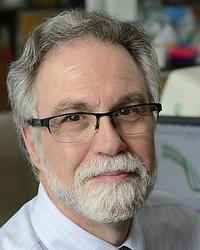
-
Gregory Diette Laboratory
The Gregory Diette Laboratory studies the epidemiology of lung diseases. Our focus is on asthma, chronic obstructive pulmonary disease (COPD) and environmental causes of lung disease, including allergens and particulate matter.
-
Gregory Kirk Lab
Research in the Gregory Kirk Lab examines the natural history of viral infections — particularly HIV and hepatitis viruses — in the U.S. and globally. As part of the ALIVE (AIDS Linked to the Intravenous Experience) study, our research looks at a range of pathogenetic, clinical behavioral issues, with a special focus on non-AIDS-related outcomes of HIV, including cancer and liver and lung diseases. We use imaging and clinical, genetic, epigenetic and proteomic methods to identify and learn more about people at greatest risk for clinically relevant outcomes from HIV, hepatitis B and hepatitis C infections. Our long-term goal is to translate our findings into targeted interventions that help reduce the disease burden of these infections.
-
Greider Lab
The Greider lab uses biochemistry to study telomerase and cellular and organismal consequences of telomere dysfunction. Telomeres protect chromosome ends from being recognized as DNA damage and chromosomal rearrangements. Conventional replication leads to telomere shortening, but telomere length is maintained by the enzyme telomerase. Telomerase is required for cells that undergo many rounds of divisions, especially tumor cells and some stem cells. The lab has generated telomerase null mice that are viable and show progressive telomere shortening for up to six generations. In the later generations, when telomeres are short, cells die via apoptosis or senescence. Crosses of these telomerase null mice to other tumor prone mice show that tumor formation can be greatly reduced by short telomeres. The lab also is using the telomerase null mice to explore the essential role of telomerase stem cell viability. Telomerase mutations cause autosomal dominant dyskeratosis congenita. People with this disease die of bone marrow failure, likely due to stem cell loss. The lab has developed a mouse model to study this disease. Future work in the lab will focus on identifying genes that induce DNA damage in response to short telomeres, identifying how telomeres are processed and how telomere elongation is regulated. -
Guang William Wong Lab
The Wong Lab seeks to understand mechanisms employed by cells and tissues to maintain metabolic homeostasis. We are currently addressing how adipose- and skeletal muscle-derived hormones (adipokines and myokines), discovered in our lab, regulate tissue crosstalk and signaling pathways to control energy metabolism. We use transgenic and knockout mouse models, as well as cell culture systems, to address the role of the CTRP family of hormones in physiological and disease states. We also aim to identify the receptors that mediate the biological functions of CTRPs.
-
Hadi Kharrazi Lab
Research in the Hadi Kharrazi Lab focuses primarily on contextualizing clinical decision support (CDS) into population health informatics (PHI) to be used at different HIT levels of managed care, including electronic health records (EHRs) and consumer health informatics (CHI) solutions. Our team has modified and regenerated electronic quality measures (eQM) based on PHI-derived CDS to represent a population aspect of the health quality measurements. Through the Center for Population Health IT (CPHIT) at the Bloomberg School of Public Health, we are pursuing PHI research that provides direct population-based CDS to providers, patients and payers. -
Hamid Rabb Lab
Dr. Rabb’s lab is involved in translational research aimed at understanding the molecular pathogenesis of kidney ischemia/reperfusion injury. The lab is interested in the development of novel treatments for kidney IRI.
-
Hanan Aboumatar Lab
Research in the Hanan Aboumatar Lab focuses on advancing patient-centered outcomes through improved patient and family involvement. We also focus on multilevel methods to increase the patient-centered focus of care delivery. Recent research examined the impact of a quality-improvement intervention on patient involvement in primary care and treatment with respect and dignity in intensive care.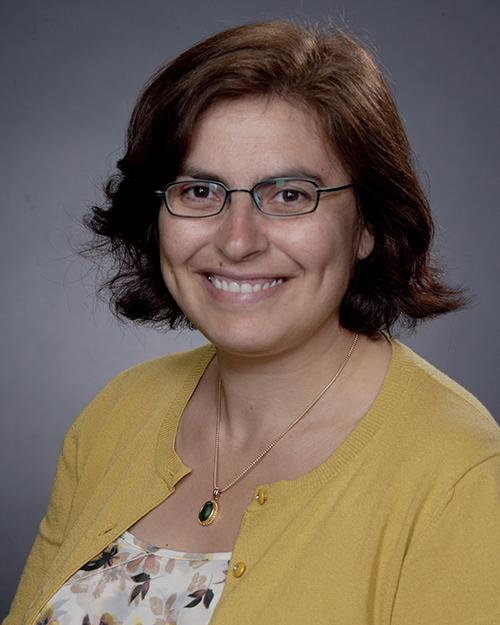
-
Harold Lehmann Lab
Researchers in the Harold Lehmann Lab study evidence-based medicine. We are currently examining the informatics infrastructure of research and the secondary use of electronic health record data for research. The team is also evaluating the value of classic evidence reports versus social media versus links to community services for community health workers.
Principal Investigator