Research Lab Results
-
Kass Lab
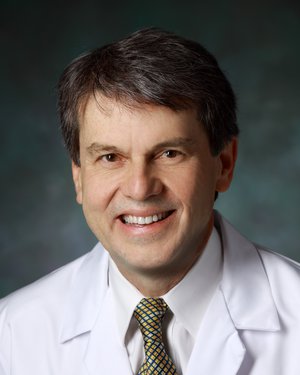
Basic science investigations span an array of inquiries, such as understanding the basic mechanisms underlying cardiac dyssynchrony and resynchronization in the failing heart, and beneficial influences of nitric oxide/cGMP/protein kinase G and cGMP-targeted phosphdiesterase signaling cascades on cardiac maladaptive stress remodeling. Recently, the latter has particularly focused on the role of phosphodiesterase type 5 and its pharmacologic inhibitors (e.g. sildenafi, Viagra®), on myocyte signaling cascades modulated by protein kinase G, and on the nitric oxide synthase dysregulation coupled with oxidant stress. The lab also conducts clinical research and is presently exploring new treatments for heart failure with a preserved ejection fraction, studying ventricular-arterial interaction and its role in adverse heart-vessel coupling in left heart failure and pulmonary hypertension, and testing new drug, device, and cell therapies for heart disease. A major theme has been with the use of advanced non-invasive and invasive catheterization-based methods to assess cardiac mechanics in patients.asive and invasive catheterization-based methods to assess cardiac mechanics in patients. David Kass, MD, is currently the Director at the Johns Hopkins Center for Molecular Cardiobiology and a professor in cellular and molecular medicine. -
Lima Lab
The Lima Lab’s research is concentrated on the development and application of imaging and technology to address scientific and clinical problems involving the heart and vascular system. Specifically, our research is focused on developing magnetic resonance imaging (MRI) contrast techniques to investigate microvascular function in patients and experimental animals with myocardial infarction; functional reserve secondary to dobutamine stimulation and myocardial viability assessed by sodium imaging; and cardiac MRI and computed tomography (CT) program development of techniques to characterize atherosclerosis in humans with cardiovascular or cerebrovascular disease. Current projects include: • The Coronary Artery Risk Development in Young Adults (CARDIA) Study • The MESA (Multi-Ethnic Study of Atherosclerosis) Study • The Coronary Artery Evaluation using 64-row Multidetector Computed Tomography Angiography (CORE64) Study Joao Lima, MD, is a professor of medicine, radiology and epidemiology at the Johns Hopkins School of Medicine. -
Reid Thompson Laboratory
Reid Thompson’s research interests include evaluation of ventricular function in patients with muscular dystrophy and Barth syndrome, and in patients who have completed chemotherapy. He also studies novel methods of teaching and diagnosing heart disease through cardiac auscultation.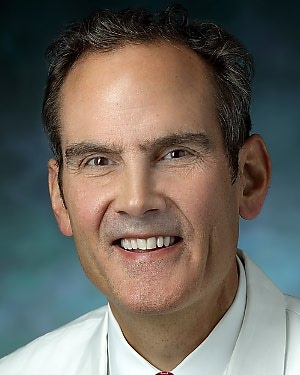
-
Retrovirus Laboratory
Research in the Retrovirus Laboratory focuses on the molecular virology and pathogenesis of lentivirus infections. In particular, we study the simian immunodeficiency virus (SIV) to determine the molecular basis for the development of HIV CNS, pulmonary and cardiac disease. Research projects include studies of viral molecular genetics and host cell genes and proteins involved in the pathogenesis of disease. We are also interested in studies of lentivirus replication in macrophages and astrocytes and their role in the development of disease. These studies have led us to identify the viral genes that are important in neurovirulence of SIV and the development of CNS disease including NEF and the TM portion of ENV. The mechanisms of the action of these proteins in the CNS are complex and are under investigation. We have also developed a rapid, consistent SIV/macaque model in which we can test the ability of various antiviral and neuroprotective agents to reduce the severity of CNS and pulmonary disease. -
CORE-320 Multicenter Trial Lab
The central theme of the CORE-320 Multicenter Trial Lab’s research is to support the Coronary Artery Evaluation Using 320-Row Multidetector CT Angiography (CORE 320) study, a multi-center multinational diagnostic study with the primary objective to evaluate the diagnostic accuracy of 320-MDCT for detecting coronary artery luminal stenosis and corresponding myocardial perfusion deficits in patients with suspected CAD compared with the reference standard of conventional coronary angiography and SPECT myocardial perfusion imaging. Armin Arbab-Zadeh, MD, PhD, is an associate professor of medicine at the Johns Hopkins University School of Medicine and Director of Cardiac Computed Tomography in the Division of Cardiology at the Johns Hopkins Hospital in Baltimore. Research Areas: coronary/cardiac imaging, coronary risk prediction, heart attack prevention, cardiac computed tomography, coronary circulation and disease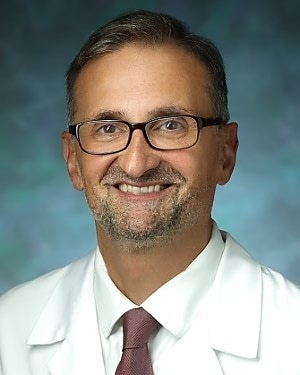
-
Cammarato Lab
The Cammarato Lab is located in the Division of Cardiology in the Department of Medicine at the Johns Hopkins University School of Medicine. We are interested in basic mechanisms of striated muscle biology. We employ an array of imaging techniques to study “structural physiology” of cardiac and skeletal muscle. Drosophila melanogaster, the fruit fly, expresses both forms of striated muscle and benefits greatly from powerful genetic tools. We investigate conserved myopathic (muscle disease) processes and perform hierarchical and integrative analysis of muscle function from the level of single molecules and macromolecular complexes through the level of the tissue itself. Anthony Ross Cammarato, MD, is an assistant professor of medicine in the Cardiology Department. He studies the identification and manipulation of age- and mutation-dependent modifiers of cardiac function, hierarchical modeling and imaging of contractile machinery, integrative analysis of striated muscle performance and myopathic processes. -
O'Rourke Lab
The O’Rourke Lab uses an integrated approach to study the biophysics and physiology of cardiac cells in normal and diseased states. Research in our lab has incorporated mitochondrial energetics, Ca2+ dynamics, and electrophysiology to provide tools for studying how defective function of one component of the cell can lead to catastrophic effects on whole cell and whole organ function. By understanding the links between Ca2+, electrical excitability and energy production, we hope to understand the cellular basis of cardiac arrhythmias, ischemia-reperfusion injury, and sudden death. We use state-of-the-art techniques, including single-channel and whole-cell patch clamp, microfluorimetry, conventional and two-photon fluorescence imaging, and molecular biology to study the structure and function of single proteins to the intact muscle. Experimental results are compared with simulations of computational models in order to understand the findings in the context of the system as a whole. Ongoing studies in our lab are focused on identifying the specific molecular targets modified by oxidative or ischemic stress and how they affect mitochondrial and whole heart function. The motivation for all of the work is to understand • how the molecular details of the heart cell work together to maintain function and • how the synchronization of the parts can go wrong Rational strategies can then be devised to correct dysfunction during the progression of disease through a comprehensive understanding of basic mechanisms. Brian O’Rourke, PhD, is a professor in the Division of Cardiology and Vice Chair of Basic and Translational Research, Department of Medicine, at the Johns Hopkins University.
-
The Barouch Lab
The Barouch Lab is focused on defining the peripheral cardiovascular effects of the adipocytokine leptin, which is a key to the understanding of obesity-related cardiovascular disease. Interestingly, many of the hormonal abnormalities seen in obesity are mimicked in heart failure. The research program will enhance the understanding of metabolic signaling in the heart, including the effects of leptin, exercise, sex hormones, and downstream signaling pathways on metabolism and cardiovascular function. The lab also is working to determine the precise role of the “metabolic” beta-3 adrenergic receptor (ß3AR) in the heart and define the extent of its protective effect in obesity and in heart failure, including its role in maintaining nitric oxide synthase (NOS) coupling. Ultimately, this work will enable the exploration of a possible therapeutic role of ß3AR agonists and re-coupling of NOS in preventing adverse ventricular remodeling in obesity and in heart failure. Lili Barouch, MD, is an associate professor of medicine in the Division of Cardiology and a member of the Advanced Heart Failure and Cardiac Transplantation group at the Johns Hopkins University School of Medicine.
-
The Arking Lab
The Arking Lab studies the genomics of complex human disease, with the primary goal of identifying and characterizing genetics variants that modify risk for human disease. The group has pioneered the use of genome-wide association studies (GWAS), which allow for an unbiased screen of virtually all common genetic variants in the genome. The lab is currently developing improved GWAS methodology, as well as exploring the integration of additional genome level data (RNA expression, DNA methylation, protein expression) to improve the power to identify specific genetic influences of disease. The Arking Lab is actively involved in researching: • autism, a childhood neuropsychiatric disorder • cardiovascular genomics, with a focus on electrophysiology and sudden cardiac death (SCD) • electrophysiology is the study of the flow of ions in biological tissues Dan E. Arking, PhD, is an associate professor at the McKusick-Nathans Institute of Genetic Medicine and Department of Medicine, Division of Cardiology, Johns Hopkins University.