Research Lab Results
-
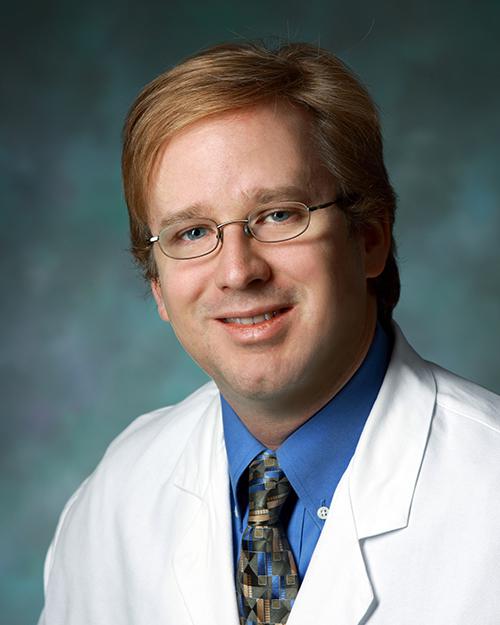
Weiss Lab
The Weiss Lab, which features a multi-disciplinary team at Johns Hopkins as well as at Cedars Sinai Medical Center in Los Angeles, is dedicated to identifying the most important clinical, genetic, structural, contractile and metabolic causes of sudden cardiac death as well as the means to reverse the underlying pathology and lower risk. Current projects include research into energy metabolism in human heart failure and creatine kinase metabolism in animal models of heart failure. Robert G. Weiss, MD, is professor of medicine, Radiology and Radiological Science, at the Johns Hopkins University.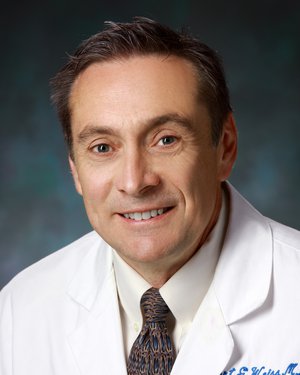
-
Kass Lab
Basic science investigations span an array of inquiries, such as understanding the basic mechanisms underlying cardiac dyssynchrony and resynchronization in the failing heart, and beneficial influences of nitric oxide/cGMP/protein kinase G and cGMP-targeted phosphdiesterase signaling cascades on cardiac maladaptive stress remodeling. Recently, the latter has particularly focused on the role of phosphodiesterase type 5 and its pharmacologic inhibitors (e.g. sildenafi, Viagra®), on myocyte signaling cascades modulated by protein kinase G, and on the nitric oxide synthase dysregulation coupled with oxidant stress. The lab also conducts clinical research and is presently exploring new treatments for heart failure with a preserved ejection fraction, studying ventricular-arterial interaction and its role in adverse heart-vessel coupling in left heart failure and pulmonary hypertension, and testing new drug, device, and cell therapies for heart disease. A major theme has been with the use of advanced non-invasive and invasive catheterization-based methods to assess cardiac mechanics in patients.asive and invasive catheterization-based methods to assess cardiac mechanics in patients. David Kass, MD, is currently the Director at the Johns Hopkins Center for Molecular Cardiobiology and a professor in cellular and molecular medicine. -
O'Rourke Lab
The O’Rourke Lab uses an integrated approach to study the biophysics and physiology of cardiac cells in normal and diseased states. Research in our lab has incorporated mitochondrial energetics, Ca2+ dynamics, and electrophysiology to provide tools for studying how defective function of one component of the cell can lead to catastrophic effects on whole cell and whole organ function. By understanding the links between Ca2+, electrical excitability and energy production, we hope to understand the cellular basis of cardiac arrhythmias, ischemia-reperfusion injury, and sudden death. We use state-of-the-art techniques, including single-channel and whole-cell patch clamp, microfluorimetry, conventional and two-photon fluorescence imaging, and molecular biology to study the structure and function of single proteins to the intact muscle. Experimental results are compared with simulations of computational models in order to understand the findings in the context of the system as a whole. Ongoing studies in our lab are focused on identifying the specific molecular targets modified by oxidative or ischemic stress and how they affect mitochondrial and whole heart function. The motivation for all of the work is to understand • how the molecular details of the heart cell work together to maintain function and • how the synchronization of the parts can go wrong Rational strategies can then be devised to correct dysfunction during the progression of disease through a comprehensive understanding of basic mechanisms. Brian O’Rourke, PhD, is a professor in the Division of Cardiology and Vice Chair of Basic and Translational Research, Department of Medicine, at the Johns Hopkins University.
-
Foster Lab
The Foster Lab uses the tools of protein biochemistry and proteomics to tackle fundamental problems in the fields of cardiac preconditioning and heart failure. Protein networks are perturbed in heart disease in a manner that correlates only weakly with changes in mRNA transcripts. Moreover, proteomic techniques afford the systematic assessment of post-translational modifications that regulate the activity of proteins responsible for every aspect of heart function from electrical excitation to contraction and metabolism. Understanding the status of protein networks in the diseased state is, therefore, key to discovering new therapies. D. Brian Foster, Ph.D., is an assistant professor of medicine in the division of cardiology, and serves as Director of the Laboratory of Cardiovascular Biochemistry at the Johns Hopkins University School of Medicine. -
Mary Beth Brady Lab
Research in the Mary Beth Brady Lab focuses primarily on topics within the fields of anesthesiology, imaging and cardiology. Our work has explored transesophageal echocardiography simulation, echocardiography, cardiac and vascular-thoracic anesthesiology, and other areas within critical care medicine. A recent study involved obtaining 3-D images of the heart, which were then used to build computer programs to help cardiac surgeons improve their treatment of heart defects. -
The Barouch Lab
The Barouch Lab is focused on defining the peripheral cardiovascular effects of the adipocytokine leptin, which is a key to the understanding of obesity-related cardiovascular disease. Interestingly, many of the hormonal abnormalities seen in obesity are mimicked in heart failure. The research program will enhance the understanding of metabolic signaling in the heart, including the effects of leptin, exercise, sex hormones, and downstream signaling pathways on metabolism and cardiovascular function. The lab also is working to determine the precise role of the “metabolic” beta-3 adrenergic receptor (ß3AR) in the heart and define the extent of its protective effect in obesity and in heart failure, including its role in maintaining nitric oxide synthase (NOS) coupling. Ultimately, this work will enable the exploration of a possible therapeutic role of ß3AR agonists and re-coupling of NOS in preventing adverse ventricular remodeling in obesity and in heart failure. Lili Barouch, MD, is an associate professor of medicine in the Division of Cardiology and a member of the Advanced Heart Failure and Cardiac Transplantation group at the Johns Hopkins University School of Medicine.
-
The Arking Lab
The Arking Lab studies the genomics of complex human disease, with the primary goal of identifying and characterizing genetics variants that modify risk for human disease. The group has pioneered the use of genome-wide association studies (GWAS), which allow for an unbiased screen of virtually all common genetic variants in the genome. The lab is currently developing improved GWAS methodology, as well as exploring the integration of additional genome level data (RNA expression, DNA methylation, protein expression) to improve the power to identify specific genetic influences of disease. The Arking Lab is actively involved in researching: • autism, a childhood neuropsychiatric disorder • cardiovascular genomics, with a focus on electrophysiology and sudden cardiac death (SCD) • electrophysiology is the study of the flow of ions in biological tissues Dan E. Arking, PhD, is an associate professor at the McKusick-Nathans Institute of Genetic Medicine and Department of Medicine, Division of Cardiology, Johns Hopkins University.
-
Raymond Koehler Lab
Research in the Raymond Koehler Lab explores cerebrovascular physiology and cerebral ischemic injury caused by stroke and cardiac arrest, using protein analysis, immunohistochemistry and histology. We also study ischemic preconditioning, neonatal hypoxic-ischemic encephalopathy and the mechanisms of abnormal cerebrovascular reactivity after ischemia. We 're examining ways to improve tissue oxygenation and seek to better understand the mechanisms that connect an increase in cerebral blood flow to neuronal activity. -
Post Lab
The Post Lab is involved in the Multi-Ethnic Study of Atherosclerosis (MESA), a collaborative study of the characteristics of subclinical cardiovascular disease (that is, disease detected non-invasively before it has produced clinical signs and symptoms) and the risk factors that predict progression to clinically overt cardiovascular disease or progression of the subclinical disease. As MESA researchers, we study a diverse, population-based sample of 6,814 asymptomatic men and women aged 45-84. Approximately 38 percent of the recruited participants are white, 28 percent African-American, 22 percent Hispanic, and 12 percent Asian, predominantly of Chinese descent. Participants were recruited from six field centers across the United States, including Johns Hopkins University. Each participant received an extensive physical exam to determine a number of conditions, including coronary calcification, ventricular mass and function, flow-mediated endothelial vasodilation, standard coronary risk factors, sociodemographic factors, lifestyle factors, and psychosocial factors. Selected repetition of subclinical disease measures and risk factors at follow-up visits have allowed study of the progression of disease. Participants are being followed for identification and characterization of cardiovascular disease events, including acute myocardial infarction and other forms of coronary heart disease (CHD), stroke, and congestive heart failure; for cardiovascular disease interventions; and for mortality. Wendy S. Post, MD, MS, is an associate faculty, Welch Center for Prevention, Epidemiology, and Clinical Research, Johns Hopkins University, and a professor of medicine.