Research Lab Results
-
Retinal Cell and Molecular Lab
The Retinal Cell and Molecular Laboratory has three major areas of interest, each of which deals with some aspect of growth factor signaling and function in the retina and retinal pigmented epithelium (RPE): 1. Investigations aimed at gaining a better understanding of the pathogenesis of retinal and choroidal neovascularization and developing new ways to treat them. 2. Investigations aimed at understanding the molecular signals involved in retinal and RPE wound repair and scarring. The prototypical disease in this category is proliferative vitreoretinopathy and our laboratory is seeking to identify new treatments for it. 3. Investigations aimed at understanding why retinal degenerations occur and how they might be treated, with particular emphasis on neurotrophic factors. -
Robert Brodsky Lab
Investigators in the Robert Brodsky Lab study normal and abnormal hematopoiesis, particularly mutations of the phosphatidylinositol glycan anchor biosynthesis class A (PIG-A) gene in aplastic anemia. Our team has developed a new diagnostic assay for paroxysmal nocturnal hemoglobinuria (PNH) that is based on the toxin Aaeromonas hydrophila.
-
Robert Siliciano Laboratory
Research in the Robert Siliciano Laboratory focuses on HIV and antiretroviral therapy (ART). ART consists of combinations of three drugs that inhibit specific steps in the virus life cycle. Though linked to reduced morbidity and mortality rates, ART is not curative. Through our research related to latently infected cells, we've shown that eradicating HIV-1 infection with ART alone is impossible due to the latent reservoir for HIV-1 in resting CD4+ T cells. Our laboratory characterized the different forms of HIV-1 that persist in patients on ART. Currently, we are searching for and evaluating drugs that target the latent reservoir. We are also developing assays that can be used to monitor the elimination of this reservoir. We are also interested in the basic pharmacodynamic principles that explain how antiretroviral drugs work. We have recently discovered why certain classes of antiretroviral drugs are so effective at inhibiting viral replication. We are using this discovery along with experimental and computational approaches to develop improved therapies for HIV-1 infection and to understand and prevent drug resistance. Finally, we are studying the immunology of HIV-1 infection, and in particular, the ability of some patients to control the infection without ART.
-
The Howard and Georgeanna Seegar Jones Reproductive Endocrinology Lab
Research in the Howard and Georgeanna Seegar Jones Reproductive Endocrinology Lab supports a broad interest in reproductive conditions, but has a particular focus on endometriosis, uterine fibroids, PMOS and genes causing infertility. PMOS and uterine fibroids are among the most prevalent conditions leading to infertility and diseases in women, but both remain poorly understood. Studying these areas may lead to the development of new treatments or preventative therapies. -
Reid Thompson Laboratory
Reid Thompson’s research interests include evaluation of ventricular function in patients with muscular dystrophy and Barth syndrome, and in patients who have completed chemotherapy. He also studies novel methods of teaching and diagnosing heart disease through cardiac auscultation.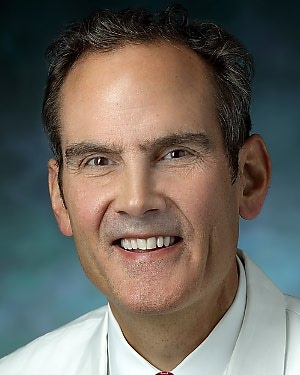
-
Retrovirus Laboratory
Research in the Retrovirus Laboratory focuses on the molecular virology and pathogenesis of lentivirus infections. In particular, we study the simian immunodeficiency virus (SIV) to determine the molecular basis for the development of HIV CNS, pulmonary and cardiac disease. Research projects include studies of viral molecular genetics and host cell genes and proteins involved in the pathogenesis of disease. We are also interested in studies of lentivirus replication in macrophages and astrocytes and their role in the development of disease. These studies have led us to identify the viral genes that are important in neurovirulence of SIV and the development of CNS disease including NEF and the TM portion of ENV. The mechanisms of the action of these proteins in the CNS are complex and are under investigation. We have also developed a rapid, consistent SIV/macaque model in which we can test the ability of various antiviral and neuroprotective agents to reduce the severity of CNS and pulmonary disease.