Research Lab Results
-
Brain Science Institute (BSi)
The Brain Science Institute (BSi) brings together both basic and clinical neuroscientists from across the Johns Hopkins campuses. The BSi represents one of the largest and most diverse groups in the university. The BSi's mission is to solve fundamental questions about brain development and function and to use these insights to understand the mechanisms of brain disease. This new knowledge will provide the catalyst for the facilitation and development of effective therapies. The goals of our research are to foster new programs in basic neuroscience discovery; initiate a translational research program that will develop new treatments for brain-based diseases; and encourage collaboration, interdisciplinary teams, and new thinking that will have a global influence on research and treatment of the nervous system. -
Dölen Lab
The Dölen lab studies the synaptic and circuit mechanisms that enable social behaviors. We use a variety of techniques including whole cell patch clamp electrophysiology, viral mediated gene transfer, optogenetics, and behavior. We are also interested in understanding how these synaptic and circuit mechanisms are disrupted in autism and schizophrenia, diseases which are characterized by social cognition deficits. More recently we have become interested in the therapeutic potential of psychedelic drugs for diseases like addiction and PTSD that respond to social influence or are aggravated by social injury, We are currently using both transgenic mouse and octopus to model disease. -
Dagnelie Ultra Low Vision Lab
The Ultra Low Vision Lab is interested in assessing and enhancing the functional visual abilities of individuals with ultra-low vision. The lab uses psychophysical experiments to investigate innovative methods for improving visual prostheses. -
Deborah Schwengel Lab
Research in the Deborah Schwengel Lab focuses on perioperative care of pediatric patients with obstructive sleep apnea as well as anesthetic care for patients undergoing ethanol embolization of vascular malformations. Our team also explores topics within graduate medical education. In this field, our work has involved evaluating both an educational curriculum and a disaster preparedness curriculum for anesthesiology residents. We also have a long-standing interest in international adoption medicine.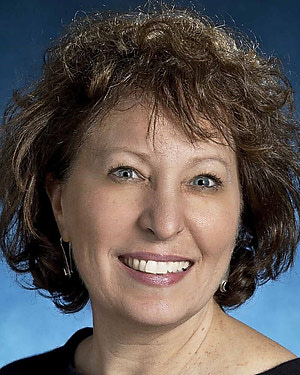
Principal Investigator
Department
-
Borahay Lab: Gynecologic and Fibroids Research
Dr. Borahay's lab focuses on understanding pathobiology, developing novel treatments, and carrying out high quality clinical trials for common gynecologic problems with a special focus on uterine fibroids. Our lab also investigates the causes and novel treatments for menstrual disorders such as heavy and irregular periods. In addition, Dr. Borahay’s team explores innovative approaches to minimally invasive gynecologic surgery, focusing on outpatient procedures with less pain and faster recovery times. -
Dhananjay Vaidya Lab
Research conducted in the Dhananjay Vaidya Lab focuses on the prevention of heart disease, with special emphasis on cardiometabolic risk factors, genetics in high-risk families, cardiovascular epidemiology, statistics and vascular biology. We also provide consultation on study design as well as plan and oversee data analyses for projects supported by the Center for Child and Community Health Research.
-
Berger Lab
The Berger Lab's research is focused on understanding how multi-subunit assemblies use ATP for overcoming topological challenges within the chromosome and controlling the flow of genetic information. A long-term goal is to develop mechanistic models that explain in atomic level detail how macromolecular machines transduce chemical energy into force and motion, and to determine how cells exploit and control these complexes and their activities for initiating DNA replication, shaping chromosome superstructure and executing myriad other essential nucleic-acid transactions. Our principal approaches include a blend of structural (X-ray crystallography, single-particle EM, SAXS) and solution biochemical methods to define the architecture, function, evolution and regulation of biological complexes. We also have extensive interests in mechanistic enzymology and the study of small-molecule inhibitors of therapeutic potential, the development of chemical approaches to trapping weak protein/protein and protein/nucleic acid interactions, and in using microfluidics and single-molecule approaches for biochemical investigations of protein dynamics. -
Doetzlhofer Laboratory - Center for Sensory Biology
Auditory hair cells, located in the inner ear cochlea, are critical for our ability to detect sound. Research in Dr. Doetzlhofer's laboratory focuses on ways to identify and characterize the molecular mechanisms of hair cell development in the mammalian auditory system. She is also seeking to identify the molecular roadblocks preventing mammalian hair cell regeneration.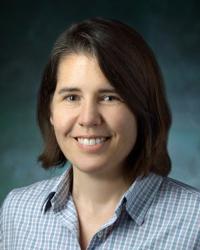
-
Bakker Memory Lab
Research in the Bakker Memory Laboratory is focused on understanding the mechanisms and brain networks underlying human cognition with a specific focus on the mechanisms underlying learning and memory and the changes in memory that occur with aging and disease. We use a variety of techniques including neuropsychological assessments, experimental behavioral assessments and particularly advanced neuroimaging methods to study these questions in young and older adults and patients with mild cognitive impairment, Alzheimer’s disease, Parkinson’s disease and epilepsy. Through our collaborations with investigators in both basic science and clinical departments, including the departments of Psychiatry and Behavioral Sciences, Psychological and Brain Sciences, Neurology and Public Health, our research also focuses on brain systems involved in spatial navigation and decision-making as well as cognitive impairment in neuropsychiatric conditions such as schizophrenia, eating disorders, obsessive-compulsive disorders, depression and anxiety. -
Donald Shaffner Lab
Work in the Donald Shaffner Lab investigates several topics within critical care medicine. Our team conducts research on the mechanisms involved in neurologic injury from global ischemia as a result of cardiac arrest and resuscitation. We also study neurologic outcomes of pediatric patients who experience cardiac arrest.