Research Lab Results
-
Paul Ladenson Lab
The Paul Ladenson Lab studies the application of thyroid hormone analogues for treating cardiovascular disease; novel approaches to thyroid cancer diagnosis and management; and the health economic analyses related to thyroid patient care.
-
Adrian Dobs Lab
Researchers in the Adrian Dobs Lab study topics that include gonadal dysfunction, hyperlipidemia, diabetes mellitus, and the relationship between sex hormones and heart disease. We currently are investigating male gonadal function—with particular interest in new forms of male hormone replacement therapy—and hormonal changes related to aging.
-
Ami Shah Lab
Researchers in the Ami Shah Lab study scleroderma and Raynaud’s phenomenon. We examine the relationship between cancer and scleroderma, with a focus on how and if cancer causes scleroderma to develop in some patients. We are currently conducting clinical research to study ways to detect cardiopulmonary complications in patients with scleroderma, biological and imaging markers of Raynaud’s phenomenon, and drugs that improve aspects of scleroderma. -
Josef Coresh Lab
Research in the Josef Coresh Lab focuses on cardiovascular epidemiology, kidney disease and genetic epidemiology. Our team uses innovative methods to quantify disease burden and consequences in the population; studies the causes and consequences of vascular disease in the heart, kidneys and brain; and works to develop a strong scientific basis for quantifying the burden, causes and consequences of kidney disease. Working in collaboration with leading laboratories and specialists, we also aim to quantify the interplay of genes and environment in health and disease. -
Jochen Steppan Lab
Research in the Jochen Steppan Lab primarily focused on vascular stiffness related to aging. We are currently researching LOXL2 (lysine-oxidase-like-2), which might be intimately involved in the development or progression of vascular stiffness. We aim to better understand LOXL2's role in the vasculature and hope that this work leads to the characterization of a novel therapeutic target. This is important in the treatment of cardiovascular diseases in the aging population.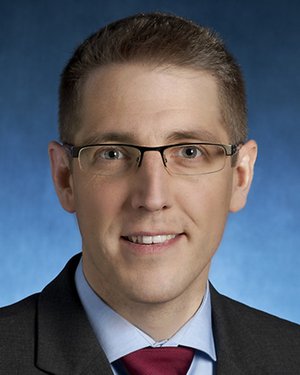
-
J. Hunter Young Lab
Research in the J. Hunter Young Lab focuses on the genetic epidemiology and physiology of cardiovascular disease and its risk factors, especially hypertension, diabetes and obesity. Current activities include an observational study of hypertension among African Americans; a genetic epidemiology study of worldwide cardiovascular disease susceptibility patterns; and several population-based observational studies of cardiovascular and renal disease. A recent focus group study found that changes in housing and city policies might lead to improved environmental health conditions for public housing residents.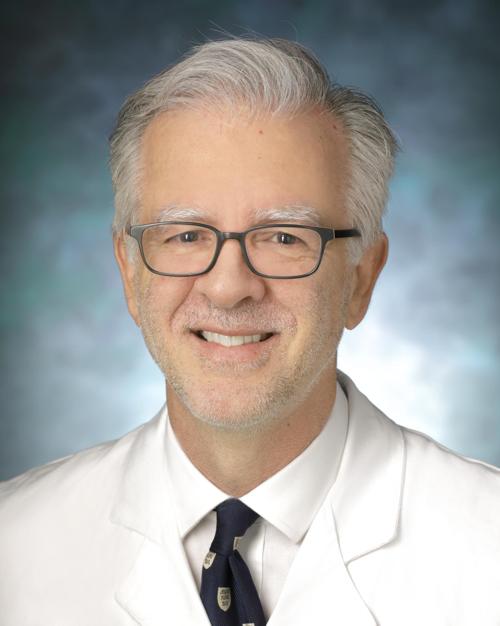
-
Cardiovascular Analytical Intelligence Initiative (CV-Ai2)
Among the hundreds of predictive models developed for cardiovascular disease, less than one-tenth of 1% actually end up routinely used in clinical practice. CV-Ai2 uses data from clinical practice and analytic intelligence to solve clinical problems and create solutions that can be applied in real-world patient care. -
Cheryl Dennison Himmelfarb Lab
Research in the Cheryl Dennison Lab aims to improve cardiovascular care for high-risk groups through multidisciplinary and health information technology-based methods. Our studies focus on reducing system and provider obstacles to implementing cardiovascular guidelines in various health care environments. Additional research interests include chronic illness management, quality of care, interdisciplinary teamwork and provider behavior. -
Gail Daumit Lab
Research in the Gail Daumit Lab is devoted to improving overall health and decreasing premature mortality for people with serious mental illnesses, such as schizophrenia and bipolar disorder. We have conducted observational studies to determine and convey the burden of physical health problems in this vulnerable population, and are currently leading a randomized trial funded by the National Heart, Lung, and Blood Institute to test a comprehensive cardiovascular risk reduction program in people with serious mental illness.
-
Daniel Nyhan Lab
The Daniel Nyhan Lab studies vascular changes that accompany aging to determine the underlying causes and find ways to reverse the process. One goal of our research is to identify the factors that cause vascular stiffness. Our hope is that our work in vascular biology will lead to new ways to improve vascular compliance and thereby improve cardiovascular function and perioperative risk.