Research Lab Results
-
Molecular Genetics Laboratory of Female Reproductive Cancer
The long-term objectives of our research team are: a. to understand the molecular etiology in the development of human cancer, and b. to identify and characterize cancer molecules for cancer detection, diagnosis, and therapy. We use ovarian carcinoma as a disease model because it is one of the most aggressive neoplastic diseases in women. For the first research direction, we aim to identify and characterize the molecular alterations during initiation and progression of ovarian carcinomas. -
Peisong Gao Lab
The Peisong Gao Lab’s major focus is to understand the immunological and genetic regulation of allergic diseases. We have been involved in the identification of the genetic basis for atopic dermatitis and eczema herpeticum (ADEH) as part of the NIH Atopic Dermatitis and Vaccinia Network-Clinical Studies Consortium. Major projects in the Gao Lab include immunogenetic analysis of human response to allergen, identification of candidate genes for specific immune responsiveness to cockroach allergen, and epigenetics of food allergy (FA).
-
Andrew Feinberg Laboratory
The Feinberg Laboratory studies the epigenetic basis of normal development and disease, including cancer, aging and neuropsychiatric illness. Early work from our group involved the discovery of altered DNA methylation in cancer as well as common epigenetic (methylation and imprinting) variants in the population that may be responsible for a significant population-attributable risk of cancer. Over the last few years, we have pioneered the field of epigenomics (i.e., epigenetics at a genome-scale level), founding the first NIH-supported NIH epigenome center in the country and developing many novel tools for molecular and statistical analysis. Current research examines the mechanisms of epigenetic modification, the epigenetic basis of cancer, the invention of new molecular, statistical, and epidemiological tools for genome-scale epigenetics and the epigenetic basis of neuropsychiatric disease, including schizophrenia and autism. -
Gary Wand Lab
Research conducted in the Gary Wand Lab focuses on neuropsychoendocrinology; the neurobiology of substance abuse; physiogenetics and regulation of the stress response; and the relationship between stress and chemical dependency. Current studies seek to better understand the genetic determinants of the stress response and how excessive stress hormone production contributes to neurobiological disorders, including addiction.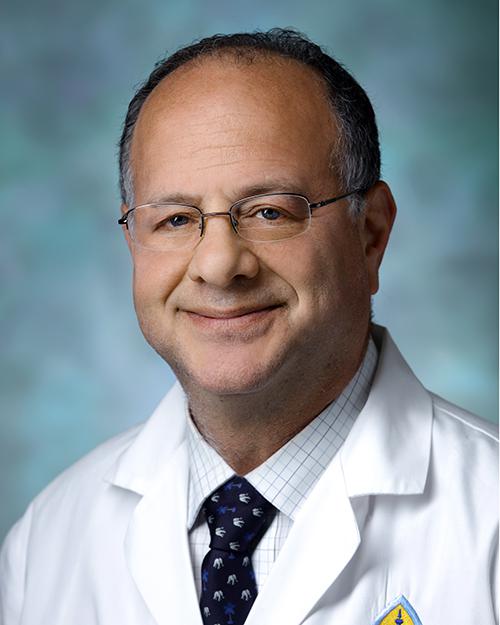
-
DNA Diagnostic Lab
Established in 1979, the Johns Hopkins DNA Diagnostic Laboratory is a CLIA and CAP certified; Maryland, New York, and Pennsylvania licensed clinical genetics testing laboratory specializing in rare inherited disorders. Led by renown professor of pediatrics and medical genetics Dr. Garry R. Cutting, the lab offers testing for a range of approximately 50 phenotypes and disorders totaling 3,500 tests annually. -
Brain Tumor Genetics Lab
Led by Dr. Chetan Bettegowda and Dr. Jordina Rincon-Torroella, our lab uses genetic analysis, biomarkers and patient outcome data to identify better ways to diagnose and treat disease. We research a variety of neurological conditions, including central nervous system tumors, trigeminal neuralgia and traumatic brain and spinal injuries. -
Dong Laboratory
The Dong Laboratory has identified many genes specifically expressed in primary sensory neurons in dorsal root ganglia (DRG). Our lab uses multiple approaches, including molecular biology, mouse genetics, mouse behavior and electrophysiology, to study the function of these genes in pain and itch sensation. Other research in the lab examines the molecular mechanism of how skin mast cells sensitize sensory nerves under inflammatory states.
-
Ken Hui Lab
The Hui lab performs basic, translational and clinical research on genetics and genomics of neurogastroenterological disorders. Ongoing projects include evaluation of sensory mechanisms in the pathophysiology of nausea using single-cell sequencing analysis of the vagal nodose ganglion cells and real world clinical data in order to understand mechanisms of this debilitating and poorly understood condition.
-
Kenneth W. Kinzler Laboratory
Dr. Kinzler’s laboratory has focused on the genetics of human cancer. They have identified a variety of genetic mutations that underlie cancer, including mutations of the APC pathway that appear to initiate the majority of colorectal cancers and IDH1/2 mutations that underlying many gliomas. In addition, they have developed a variety of powerful tools for analysis of expression and genetic alterations in cancer. Most recently, they have pioneered integrated whole genome analyses of human cancers through expression, copy number, and mutational analyses of all the coding genes in several human cancer types including colorectal, breast, pancreatic and brain. The identification of genetic differences between normal and tumor tissues provide new therapeutic targets, new opportunities for the early diagnosis of cancer, and important insights into the neoplastic process.
-
Li Gao Lab
The Li Gao Lab researches functional genomics, molecular genetics and epigenetics of complex cardiopulmonary and allergic diseases, with a focus on translational research applying fundamental genetic insight into the clinical setting. Current research includes implementation of high-throughput technologies in the fields of genome-wide association studies (GWAS), massively parallel sequencing, gene expression analysis, epigenetic mapping and integrative genomics in ongoing research of complex lung diseases and allergic diseases including asthma, atopic dermatitis (AD), pulmonary arterial hypertension, COPD, sepsis and acute lung injury/ARDS; and epigenetic contributions to pulmonary arterial hypertension associated with systemic sclerosis.