-
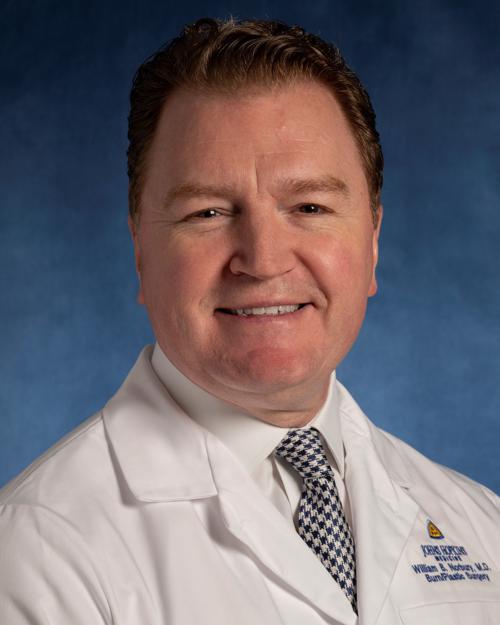
Damon Cooney, MD PhD

- Clinical Director, Face Transplant Program, Johns Hopkins Comprehensive Transplant Center
- Associate Professor of Plastic and Reconstructive Surgery
-
Mark D. Fisher, MD
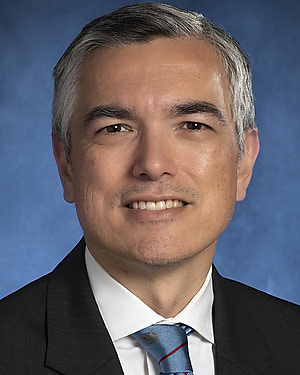
- Burn Fellowship Program Director
- Associate Professor of Clinical Plastic and Reconstructive Surgery
-
Rick Redett, MD

- Physician-in-Chief, Johns Hopkins Medicine
- Professor of Plastic and Reconstructive Surgery
Our Procedures: Scar Revision Treatment Options
Your body forms scars after an accident or surgery as a way to heal lost or damaged skin. However, scars can often be itchy, painful, tight or thick, limiting your movement. That’s when scar revision treatment can help. In addition to improving the appearance of a scar, revision treatment can reduce pain and make the surrounding skin softer and more elastic.
Why Choose Johns Hopkins?
- Advanced scar treatments: Laser therapy can help flatten and soften scars and reduce discoloration.
- Specialized expertise: Our scar specialists combine extensive clinical experience with the latest research to create a treatment plan for your needs.
- Comprehensive scar care: We treat scars from burns and traumatic injuries, as well as keloid and hypertrophic scars.
Request An Appointment
Schedule Online Through MyChart
Some exclusions apply.
Available for new and follow-up appointments with most providers.
Log into MyChart | Sign up for MyChart
Available for new and follow-up appointments with most providers.
Log into MyChart | Sign up for MyChart

Schedule by Phone
New and existing patients can schedule by phone using this number: 443-997-9466

International patients can request an appointment though international patient services.
Our Treatment Options
The type of treatment our team recommends will vary depending on the scar and the goals the patient has for the treatment. It may be possible that a single treatment will provide satisfactory results, or the patient may need several treatments to minimize the scar’s appearance.
The types of treatments may include:
- Topical treatments, which include compression bandages and gels.
- Injectable treatments, which are used with concave scars. Several injections may be required over the course of time.
- Surface treatments, which can decrease the appearance of the scar. They may include dermabrasion, laser therapy, chemical peels, or skin bleaching. Learn more about skin treatments.
- Compression garments apply pressure and reduce blood flow to the scarred area, which can reduce the thickness and minimize the appearance of your scar. Garments also can relieve the itching, burning and pain caused by a scar.
- Silicone sheets act like an extra layer of healthy skin on your scar. The silicone hydrates and softens the scar tissue, which can improve its appearance or — in some cases — cause it to fade.
- Laser therapy uses state-of-the-art technology to improve the elasticity of skin. Scars react over time by gradually flattening and softening. Scars that are dark tend to lose some of their pigment and, in many cases, lighten up to better match the surrounding skin. Many scars also appear less red, less swollen and less itchy.
- Surgery may be necessary depending on how complex the scar is. Options may include excision (cutting out the scar), revision and/or tissue expansion. Your provider will discuss what treatment may be best for you.