
NAC Attack: A Multicenter, Placebo-Controlled Clinical Trial To Test Oral N-Acetylcysteine in Patients with Retinitis Pigmentosa
NAC Attack is an international phase-III clinical trial designed to determine whether taking oral N-Acetylcysteine (NAC) 1800mg twice per day is safe and effective in slowing vision loss in patients with retinitis pigmentosa (RP). This largest study of RP is funded by the National Eye Institute of the United States. By the end of August 2025, the study reached its recruitment goal and successfully recruited 485 eligible RP patients from 31 clinical sites across the United States, Canada, Austria, Germany, the Netherlands, Switzerland, and the United Kingdom. The support from the RP community has been extraordinary: Over 630 patients participated in screening and many others who expressed interest. The study unfortunately could not enroll everyone, but once NAC Attack is finished, the knowledge gained from the study will help the RP and even the broader inherited retinal diseases community, for generations to come.
NAC Attack Investigative Group Meeting


NAC Attack Investigative Group Meeting
NAC Attack participating institutions from around the world met in Atlanta, GA in February 2025 for the annual NAC Attack Investigative Group Meeting. See photos of the participating presenters below.


NAC Attack Study News


Frequently Asked Questions
-
Retinitis pigmentosa (RP) is an inherited retinal disease resulting from one or multiple genetic mutations. The mutations cause death of photoreceptor cells, resulting in the first symptom of loss of night vision. Then gradually, patients start to notice constricted visual fields followed by loss of visual acuity over years or decades until legal blindness.
RP is one of the most common causes of blindness and severe low-vision in people aged 20 to 60 years. The estimated population prevalence is 1 in 3500-4000 in the US and Europe. Currently, there is no therapeutic treatment for RP.
-
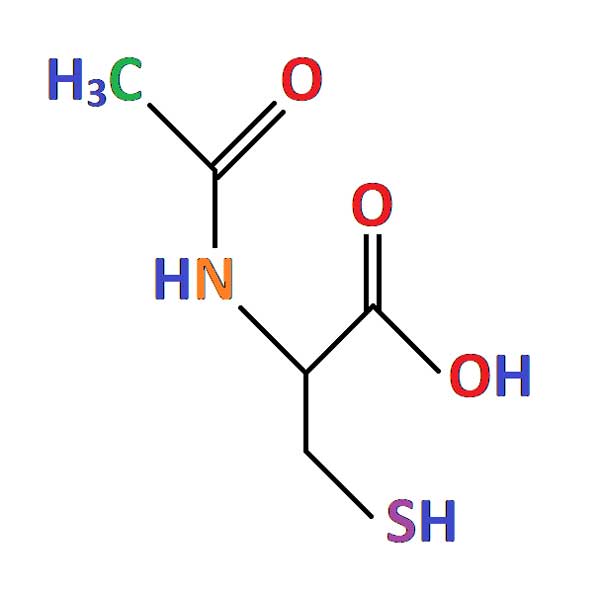
N-acetylcysteine (NAC) is an antioxidant naturally present in onions. An intravenous formulation of NAC is an FDA approved medication used to treat acetaminophen (paracetamol) overdose and as a mucolytic for cystic fibrosis and other pulmonary diseases.
-
NAC Attack is a Phase III multicenter, randomized, placebo-controlled, double masked study to evaluate the efficacy and safety of oral NAC of 1800mg bid in patients with RP.
Pre-clinical studies have proven that excessive oxidative stress plays a key role in photoreceptor cell death in RP. NAC is an antioxidant and its effect on reducing photoreceptor loss was shown in animal studies.
In a phase-1 open label study conducted at the Wilmer Eye Institute, oral NAC treatment was given to 30 patients with RP for 6 months. This study observed 1800mg twice per day was tolerable. This supports the next step of a multicenter, randomized, placebo-controlled and masked clinical trial in a larger population and over a longer time in order to determine the long-term safety of NAC 1800 mg twice per day and determine whether oral NAC can slow photoreceptor loss and thus delay visual function loss in patients with RP.
-
A randomized, placebo-controlled trial means that study patients are randomly assigned to receive the experimental intervention treatment or the placebo that resembles the intervention treatment but does not contain the active intervention component.
Because the assignment is random, patients receiving the intervention and patients receiving the placebo are expected to be very similar. Thus, any difference between the two patient groups with respect to disease-related outcomes is most likely due to the treatment the patient received (i.e. intervention or placebo control). Moreover, “double masked” means both the study patient participants and study doctors, nurses and coordinators do not know whether a participant is receiving active study medication or placebo. This is to minimize any potential subconscious bias so the study can objectively measure changes in visual function in the participants.
Such a study design (“randomized, placebo-controlled, and double masked” clinical trial) is known to be the “gold standard” for determining whether the intervention indeed works for the disease.
-
No, we do not yet know whether NAC is truly helpful and not harmful, especially long-term use of NAC at the study dose of 1800mg twice per day, so we do not recommend taking it outside of a closely monitored situation like a clinical trial. In addition, the NAC available in drug stores or online is supplement grade NAC, which is not regulated, meaning that the producers do not have to measure exactly what is in it. Some newly marketed combination supplements contain NAC, vitamins and other ingredients that are thought to be good for eyes. However, the safety of such combination supplements is particularly of question as we do not know if there are potential drug interactions with the simultaneous use of different antioxidants.
-
NAC Attack completed its recruitment in August 2025. Study participants are followed for 45 months after enrollment. The study will have an interim readout of progression data in early 2028, and by the end of 2029 when all participants completed their 45-month follow-up visit, we will be able to analyze the data and have the ultimate answer of whether NAC is safe and effective in slowing RP progression.
NAC Attack Video FAQ
Select the language you want from the list of available languages.
English | Closed captioning is available by clicking the "CC" icon in the bottom right corner.
Nederlands | Tik op Ondertiteling "CC." Selecteer de taal waarin je de ondertiteling wilt zien.
Français | Appuyez sur Sous-titres "CC ". Sélectionnez la langue dans laquelle vous souhaitez afficher les sous-titres.
Deutsch | Tippe auf das Untertitelsymbol "CC". Wähle die Sprache aus, in der die Untertitel angezeigt werden sollen.
Español | Toca Subtítulos "CC". Elige el idioma en el que quieras ver los subtítulos.
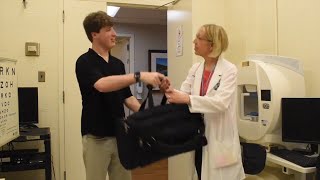
NAC Attack | Important Things To Remember
NAC Attack | Caring for Your Medication
NAC Attack | Using the Medication

NAC Attack | What To Expect at Your Health-care Visits
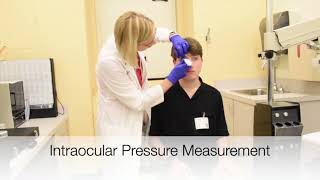
NAC Attack | What To Do if You Have a Question
NAC Attack Funder
Supporting Organizations
- Zambon SpA, Milan, Italy
- Usher 2020
- Fighting Blindness Canada
- Retina UK
NAC Attack Leadership
Study Chairman's Office
- Study Chair: Peter Campochairo, M.D.
- Vice Chair: Mandeep Singh, M.B.B.S., M.D., Ph.D.
- Vice Chair: Rupert Strauss, M.D.
- Gulnar Hafiz
- Dagmar Wehling
Coordinating Center
- Director and Senior Biostatistician: Xiangrong Kong, Ph.D.
- Informatics Director: Kurt Dreger
- Project Coordinators: Bhavishya Pancharathi and Chrisanthe Papapavlou
- Finance: Simone Butler and Amanda Downend Modrovsky
- Research Assistant: Guoshu Kong
- Research Assistant: Mateo Bandala Jacques
NAC Attack Data Safety Monitoring Committee (DSMC)
Chair: Steven Piantadosi, M.D., Ph.D.
Biostatistics and Oncology, Brigham and Women's Hospital, Harvard University
Elise Heon, M.D.
Ophthalmology and Vision Sciences, University of Toronto
Judith Hochman, M.D.
Cardiology and Clinical Trials, New York University
David C. Musch Ph.D., M.P.H.,
Epidemiology and Ophthalmology, University of Michigan
Elias Traboulsi, M.D., MEd
Pediatric Ophthalmic Genetics, Ophthalmic Genetics, Cleveland Clinic
David N. Zacks, M.D., Ph.D.
Ophthalmology and Visual Sciences, University of Michigan
Alison Bateman-House, Ph.D.
Population Health, New York University