Research Lab Results
-
Amy Kim Lab
The Amy Kim lab performs basic, translational, and clinical research on liver lesions and hepatocellular carcinoma (HCC). She uses state of the art techniques such artificial intelligence enhanced interpretation of pathology and imaging, as well as detection of circulating tumor cells for early detection and prediction of recurrence of HCC after resection and liver transplantation.
-
Adrian Dobs Lab
Researchers in the Adrian Dobs Lab study topics that include gonadal dysfunction, hyperlipidemia, diabetes mellitus, and the relationship between sex hormones and heart disease. We currently are investigating male gonadal function—with particular interest in new forms of male hormone replacement therapy—and hormonal changes related to aging.
-
Ami Shah Lab
Researchers in the Ami Shah Lab study scleroderma and Raynaud’s phenomenon. We examine the relationship between cancer and scleroderma, with a focus on how and if cancer causes scleroderma to develop in some patients. We are currently conducting clinical research to study ways to detect cardiopulmonary complications in patients with scleroderma, biological and imaging markers of Raynaud’s phenomenon, and drugs that improve aspects of scleroderma. -
Jeff Bulte Lab
The clinical development of novel immune and stem cell therapies calls for suitable methods that can follow the fate of cells non-invasively in humans at high resolution. The Bulte Lab has pioneered methods to label cells magnetically (using tiny superparamagnetic iron oxide nanoparticles) in order to make them visible by MR imaging. While the lab is doing basic bench-type research, there is a strong interaction with the clinical interventional radiology and oncology groups in order to bring the methodologies into the clinic.
-
Christian Merlo Lab
Work in the Christian Merlo Lab includes studies on pulmonary arteriovenous malformations, outcomes in lung transplantation and treatment of cystic fibrosis (CF), and HIV-related pulmonary disease. We have studied methods of diagnosing and managing pulmonary arteriovenous malformations as well as the outcomes of adult CF patients who are infected with multiple antibiotic-resistant Pseudomonas aeruginosa. Our recent research has also explored recipient and donor variables in the success or failure of lung transplants, and ways in which national healthcare delivery systems impact lung transplant outcomes for CF patients.
-
Christopher Potter Lab
The Christopher Potter Lab functions at an intersection between systems and cellular neuroscience. We are interested in how neurons and circuits function in the brain to achieve a common goal (olfaction), but we also develop, utilize and build tools (molecular and genetic) that allow us to directly alter neuronal functions in a living organism. The specific focus of my laboratory is to understand how the insect brain receives, interprets, and responds to odors. Insects rely on their sense of smell for all major life choices, from foraging to mating, from choosing where to lay eggs to avoiding predators and dangers. We are interested in understanding at the neuronal level how odors regulate these behaviors. Our long-term aim is to apply this knowledge to better control insects that pose a threat to human health. Our general approach towards achieving this goal is to develop and employ new genetic methods that enable unprecedented control over neural circuits in both the model organism Drosophila melanogaster and human malaria vector Anopheles gambiae. -
Laboratory of Computational Intensive Care Medicine (Stevens Lab)
The Johns Hopkins Laboratory of Computational Intensive Care Medicine (LCICM) has been established to gain knowledge on the mechanisms of critical illness and injury, with the aim of identifying novel methods to treat patients admitted to the intensive care unit (ICU). Members of the lab apply mathematical and statistical models, artificial intelligence, and domain expertise to unravel patterns in data from sources such as electronic health records, high-frequency physiological recordings, and medical imaging. These patterns are resolved into health signatures that can be leveraged for classification and prediction. The overarching goal is to enhance the precision, efficacy, and outcomes of care delivered to critically ill patients. -
Conte Digestive Diseases Basic and Translational Research Core Center
Hopkins Conte Digestive Diseases Basic and Translational Research Core Center is an NIH/NIDDK funded, institutionally supported center that has as its mission, to make gastrointestinal studies at Hopkins as outstanding as possible, by encouraging helping develop interactions between Hopkins basic and translational investigators. The Center consists of an Administrative Core, four scientific Cores, an Enrichment Program, a Pilot and Feasibility Project Program, and services a Research Base of ~60 Hopkins faculty investigators. Co-Director, Mark Donowitz, MD Co-Director, Svetlana Lutsenko, PhD -
Gregory Kirk Lab
Research in the Gregory Kirk Lab examines the natural history of viral infections — particularly HIV and hepatitis viruses — in the U.S. and globally. As part of the ALIVE (AIDS Linked to the Intravenous Experience) study, our research looks at a range of pathogenetic, clinical behavioral issues, with a special focus on non-AIDS-related outcomes of HIV, including cancer and liver and lung diseases. We use imaging and clinical, genetic, epigenetic and proteomic methods to identify and learn more about people at greatest risk for clinically relevant outcomes from HIV, hepatitis B and hepatitis C infections. Our long-term goal is to translate our findings into targeted interventions that help reduce the disease burden of these infections.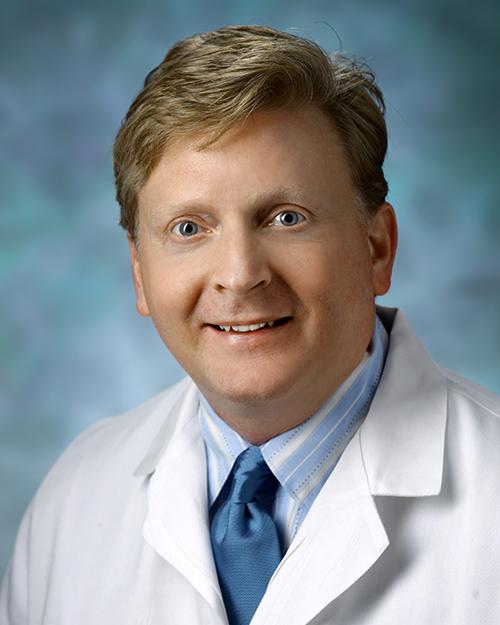
-
Center for Research on Cardiac Intermediate Filaments
The CRCIF was established to foster collaborative efforts aimed at elucidating the role of intermediate filaments (IFs) in the heart. Intermediate filaments constitute a class of cytoskeletal proteins in metazoan cells, however, different from actin microfilaments and tubulin microtubules, their function in cardiac cells is poorly understood. Unique from the other two components of the cytoskeleton, IFs are formed by cell type-specific proteins. Desmin is the main component of the IFs in the cardiac myocytes. We measured the consistent induction of desmin post-translational modifications (PTMs, such as phosphorylation, etc.) in various clinical and experimental models of heart failure. Therefore, one of our main focuses is to determine the contribution of desmin PTMs to the development of heart failure in different animal and clinical models. Active Projects: • Quantification of desmin PTM-forms in different forms of heart failure at the peptide level using mass spectrometry • Functional assessment of the role of desmin PTMs in heart failure development using single site mutagenesis and biophysical methods • Molecular characterization of desmin preamyloid oligomers using mass spectrometry, in vitro and in vivo imaging • Assessment of the diagnostic and pharmacological value of desmin PTMs in heart failure development