Research Lab Results
-
Janet Siliciano Lab
Research in the Janet Siliciano lab focuses on HIV. Areas of study include CD4-positive T lymphocytes, virus latency and highly active antiretrovirals. We recently explored the challenges of detecting HIV persistence during potentially curative interventions and the multifactorial nature of HIV-1 latency.
-
Jean Kim Lab
The Jean Kim Laboratory performs translational research in the area of chronic rhinosinusitis, with a niche interest in the pathogenesis of hyperplastic nasal polyposis. Studies encompass clinical research to basic wet laboratory research in studying the underlying immune and autoimmune mediated mechanism of polyp growth and perpetuation of disease. Human cell and tissue culture models are used. Techniques in the laboratory include cell and tissue culture, real time PCR, immunoblot, ELISA, flow cytometry, immunohistochemistry, electron microscopy, gene array analysis, and other molecular approaches including genetic knockdowns. Approaches used in Dr. Kim’s clinical study designs include prospective and retrospective analysis of patient outcomes and clinical biomarkers, as wells controlled clinical trials.
-
John Ulatowski Lab
Research in the John Ulatowski Lab explores the regulatory mechanisms of oxygen delivery to the brain and cerebral blood flow. Our work includes developing and applying new techniques and therapies for stroke as well as non-invasive techniques for monitoring brain function, fluid management and sedation in brain injury patients. We also examine the use of novel oxygen carriers in blood. We’ve recently begun exploring new methods for perioperative and periprocedural care that would help to optimize patient safety in the future. -
Jonathan Orens Lab
Research in the Jonathan Orens Lab examines topics such as clinical outcomes of lung transplantation, chronic allograft rejection and ischemic reperfusion injury, also known as primary graft dysfunction.
-
Joel Pomerantz Laboratory
The Pomerantz Laboratory studies the molecular machinery used by cells to interpret extracellular signals and transduce them to the nucleus to affect changes in gene expression. The accurate response to extracellular signals results in a cell's decision to proliferate, differentiate or die, and it's critical for normal development and physiology. The dysregulation of this machinery underlies the unwarranted expansion or destruction of cell numbers that occurs in human diseases like cancer, autoimmunity, hyperinflammatory states and neurodegenerative disease. Current studies in the lab focus on signaling pathways that are important in innate immunity, adaptive immunity and cancer, with particular focus on pathways that regulate the activity of the pleiotropic transcription factor NF-kB.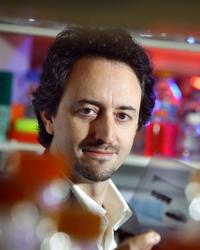
-
John Schroeder Lab
The John Schroeder Lab focuses on understanding the role human basophils and mast cells play in allergic reactions, as it relates not only to their secretion of potent inflammatory mediators (e.g., histamine and leukotriene C4) but also to their production of pro-inflammatory cytokines. We have long utilized human cells rather than cell lines in order to address the parameters, signal transduction and pharmacological aspects underlying clinically relevant basophil and mast cell responses. As a result, the lab has established protocols for rapidly isolating large numbers of basophils at high purity from human blood and for growing culture-derived mast cells/basophils from human progenitor cells. A variety of assays and techniques are also in place for concurrently detecting cytokines and mediators following a wide range of stimuli. These have facilitated the in vitro testing of numerous anti-allergic drugs for inhibitory activity on basophil and mast cell activation. The lab also studies counter-regulation between the IgE and innate immune receptors on human immature dendritic cell subtypes.
-
Josef Coresh Lab
Research in the Josef Coresh Lab focuses on cardiovascular epidemiology, kidney disease and genetic epidemiology. Our team uses innovative methods to quantify disease burden and consequences in the population; studies the causes and consequences of vascular disease in the heart, kidneys and brain; and works to develop a strong scientific basis for quantifying the burden, causes and consequences of kidney disease. Working in collaboration with leading laboratories and specialists, we also aim to quantify the interplay of genes and environment in health and disease. -
John Matthew Austin Lab
Research in the John Matthew Austin Lab explores health care performance measures, with a goal of improving patient care by enabling healthcare providers to view data about their performance, track patient outcomes and comply with best care practices. Our lab is currently working to develop performance measures for the ICU part, and we are part of The Leapfrog Group, an annual survey of U.S. hospitals that compares hospital performance on national measures of safety, quality and efficiency. Our research also explores the use of scientifically sound decision-support tools for guiding improvements in healthcare delivery systems.
-
Justin Bailey Lab
We study human B cells and neutralizing antibody responses against hepatitis C virus (HCV), hepatitis B virus (HBV), SARS-CoV-2, and respiratory syncytial virus (RSV). Our overarching hypothesis is that understanding the B cell response in individuals who naturally control infections, and those who have been vaccinated, can help us to understand the basic biology behind successful immune responses, leading to design of more effective vaccines. A particular technical strength of our laboratory is high dimensional flow cytometric analysis of antigen-specific B cells, which allows us to phenotype these rare cells, and also to sequence B cell receptor (BCR) repertoires and isolate virus-neutralizing monoclonal antibodies (mAbs). -
Jonathan Golub Lab
Research in the Jonathan Golub Lab focuses primarily on the epidemiology of tuberculosis (TB), specifically in patients infected with HIV. We work with the CDC to explore potential delays in TB diagnoses as well as the risk factors that contribute to death from TB in the United States. Our research also includes ongoing studies of HIV and TB patients in Brazil and South Africa.