Research Lab Results
-
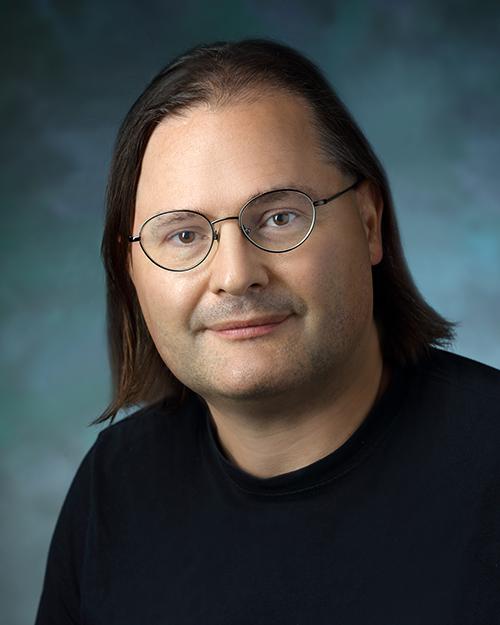
Sean T. Prigge Lab
Current research in the Sean T. Prigge Lab explores the biochemical pathways found in the apicoplast, an essential organelle found in malaria parasites, using a combination of cell biology and genetic, biophysical and biochemical techniques. We are particularly focused on the pathways used for the biosynthesis and modification of fatty acids and associated enzyme cofactors, including pantothenate, lipoic acid, biotin and iron-sulfur clusters. We want to better understand how the cofactors are acquired and used, and whether they are essential for the growth of blood-stage malaria parasites.
-
Sean Tackett Lab
Research in the Sean Tackett Lab explores methods for assessing and improving medical education. Our recent work has included the design of an evaluation framework for World Federation of Medical Education basic standards for medical education. We also have participated in a student-driven initiative to develop a global health education program at the Johns Hopkins University School of Medicine.
-
Sean Taverna Laboratory
The Taverna Laboratory studies histone marks, such as lysine methylation and acetylation, and how they contribute to an epigenetic/histone code that dictates chromatin-templated functions like transcriptional activation and gene silencing. Our lab uses biochemistry and cell biology in a variety of model organisms to explore connections between gene regulation and proteins that write and read histone marks, many of which have clear links to human diseases like leukemia and other cancers. We also investigate links between small RNAs and histone marks involved in gene silencing. -
Sensorimotor Adaptation - Vestibular and Oculomotor
Research in the Sensorimotor Adaptation--Vestibular and Oculomotor group focuses on sensorimotor adaptation to space flight and fractal statistics in physiology. Our projects aim to understand sensory processing for motor control with an emphasis on adaptive capabilities and mathematical modeling.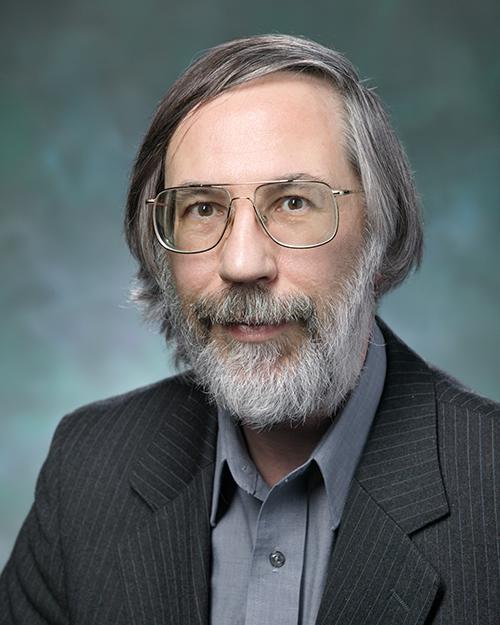
-
Sesaki Lab
The Sesaki Lab is interested in the molecular mechanisms and physiological roles of mitochondrial fusion. Mitochondria are highly dynamic and control their morphology by a balance of fusion and fission. The regulation of membrane fusion and fission generates a striking diversity of mitochondrial shapes, ranging from numerous small spheres in hepatocytes to long branched tubules in myotubes. In addition to shape and number, mitochondrial fusion is critical for normal organelle function.
-
Seth Blackshaw Lab
The Seth Blackshaw Lab uses functional genomics and proteomics to rapidly identify the molecular mechanisms that regulate cell specification and survival in both the retina and hypothalamus. We have profiled gene expression in both these tissues, from the start to the end of neurogenesis, characterizing the cellular expression patterns of more than 1,800 differentially expressed transcripts in both tissues. Working together with the lab of Heng Zhu in the Department of Pharmacology, we have also generated a protein microarray comprised of nearly 20,000 unique full-length human proteins, which we use to identify biochemical targets of developmentally important genes of interest. -
Seth Margolis Laboratory
The Seth Margolis Laboratory studies the signaling pathways that regulate synapse formation during normal brain development to try to understand how, when these pathways go awry, human cognitive disorders develop. We use Ephexin5 to study the molecular pathways that regulate restriction of excitatory synapse formation and their relevance to the pathophysiology of Angelman syndrome.
-
Seth Martin Lab
Dr. Martin's research is focused on rapid generation of new knowledge through clinical studies that can be brought back to the bedside to directly inform the care of patients with advanced lipid disorders and those in need of state-of-the-art comprehensive CV prevention. Members of his lab commit to complete ownership of their project, unwavering pursuit of excellence, and thrive on multidisciplinary teamwork. Active projects include the Very Large Database of Lipids, CASCADE FH Registry, MiCORE (Myocardial infarction, COmbined device, Recovery Enhancement), Google Health Search Trial, and mActive-Smoke. For more information, please visit the Ciccarone Center.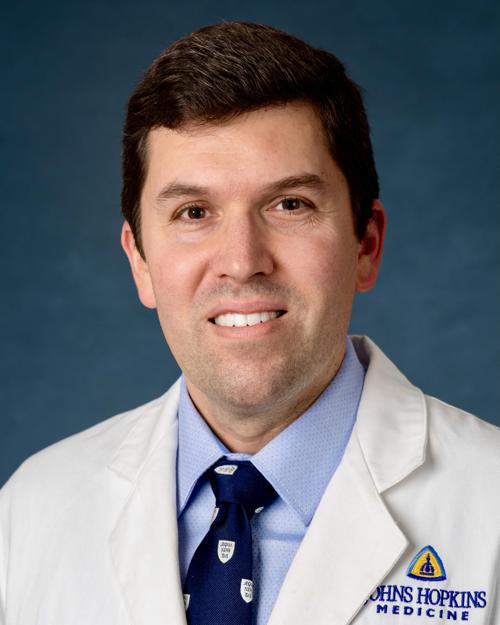
-
Sevil Yasar Lab
Research areas in the Sevil Yasar Lab include dementia, cognitive decline, hydrocephalus and pharmacoepidemiology. Recently, we studied the ability of fatty acid amide hydrolase (FAAH) inhibitors to block the rewarding effects of nicotine in squirrel monkeys.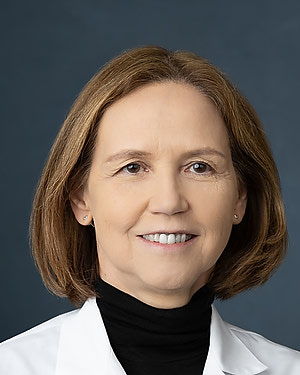
-
Seydoux Lab
The Seydoux Lab studies the earliest stages of embryogenesis to understand how single-celled eggs develop into complex multicellular embryos. We focus on the choice between soma and germline, one of the first developmental decisions faced by embryos. Our goal is to identify and characterize the molecular mechanisms that activate embryonic development, polarize embryos, and distinguish between somatic and germline cells, using Caenorhabditis elegans as a model system. Our research program is divided into three areas: oocyte-to-embryo transition, embryonic polarity and soma-germline dichotomy.