Research Lab Results
-
Maryam Jahromi Lab
The Maryam Jahromi Lab researches infectious diseases such as influenza, tuberculosis, endocarditis, viral hemorrhagic fevers, brucellosis, Clostridium difficile and Crimean-Congo hemorrhagic fever. We are particularly interested in the impact of the influenza vaccine on systemic inflammation. Recent areas of focus include the relationship between influenza vaccination and cardiovascular outcomes, the emergence of Crimean-Congo hemorrhagic fever in Iran, and prospects for vaccines and therapies for Crimean-Congo hemorrhagic fever.
-
Michael Melia Lab
Research in the Michael Melia Lab focuses primarily on nocardia infections, Lyme disease and hepatitis C. Our studies have included key topics such as risk factors for incident infections during hepatitis C treatment, racial differences in eligibility for hepatitis C treatment and misdiagnosis of Lyme arthritis using the Borrelia burgdorferi immunoblot testing method. We also have a longstanding interest in medical education and work on curriculum to improve the quality of education for medical students and interns.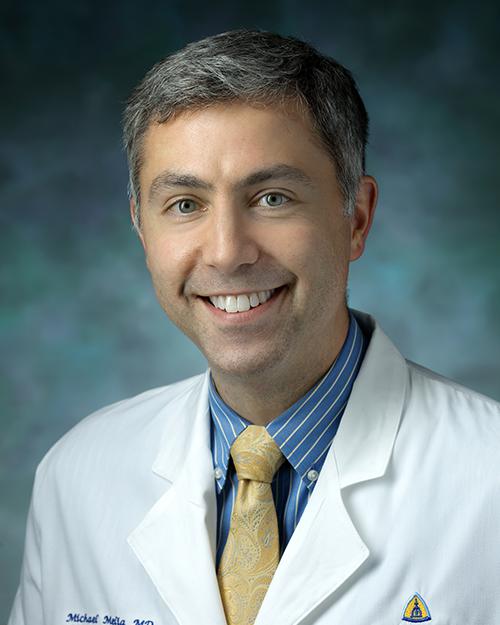
-
Mark Sulkowski Lab
Research in the Mark Sulkowski Lab focuses on hepatitis B and hepatitis C. We've conducted clinical research related to the management of viral hepatitis, including novel agents. Other studies focus on adult patients at the Johns Hopkins site of the National Institute of Diabetes and Digestive and Kidney Diseases (NIDDK) Hepatitis B Clinical Research Network as well as the National Institute of Allergy and Infectious Diseases Adult AIDS Clinical Trials Group. -
Theresa Shapiro Laboratory
The Theresa Shapiro Laboratory studies antiparasitic chemotherapy. On a molecular basis, we are interested in understanding the mechanism of action for existing antiparasitic agents, and in identifying vulnerable metabolic targets for much-needed, new, antiparasitic chemotherapy. Clinically, our studies are directed toward an evaluation, in humans, of the efficacy, pharmacokinetics, metabolism and safety of experimental antiparasitic drugs.
-
Thomas Quinn Lab
Research in the Thomas Quinn Lab encompasses epidemiology, pathogenesis and clinical features of HIV/AIDS internationally, which includes the interaction between STDs and tropical diseases on the natural history and spread of HIV/AIDS in developing countries. Our recent research has examined the viral kinetics and transmission probabilities of HIV among discordant couples with the subsequent design and application of interventions, including therapy to prevent transmission of HIV. Molecular studies have mapped the molecular epidemic of HIV on a global basis, linking virologic changes to the spread of HIV and measuring the demographic impact of the epidemic. -
Richard Chaisson Lab
Research in the Richard Chaisson Lab primarily examines tuberculosis and HIV infection, with specific focus on global epidemiology, clinical trials, diagnostics and public health interventions. Our recent research has involved evaluating a molecular diagnostic test for tuberculosis in HIV patients; observing TB responses during treatment of pulmonary tuberculosis; and examining antiretroviral therapy adherence, virologic and immunologic outcomes in adolescents compared with adults in Southern Africa.
-
Robert Bollinger Lab
The key research interests in the Robert Bollinger Lab include identifying biological and behavioral risk factors for HIV transmission as well as characterizing the clinical progression and treatment of HIV and related infectious diseases. We also have a long-standing interest in optimizing health care capacity and delivery in settings with limited resources. Our work includes implementing science research projects to explore the effectiveness of initiatives such as task-shifting, clinical education, distance learning and mobile health programs as a way to improve health care in these locations.
-
Raymond Reid Lab
Research in the Raymond Reid Lab focuses on community health and pediatric infectious diseases among Native American populations; epidemiologic studies of enteric infections, Haemophilus influenzae, and pneumococcus; and field testing of vaccines and treatments. -
Natasha Chida Lab
The Natasha Chida Lab investigates methods for using education and curriculum development to improve patient outcomes worldwide, primarily by optimizing education of physicians-in-training. Most recently, our team has worked to develop and evaluate an assessment tool for evaluating internal medicine residents’ understanding of tuberculosis diagnostics. Previous research includes a retrospective cohort study on the high proportion of extrapulmonary TB in a low-prevalence setting as well as an analysis of ways to define clinical excellence in adult infectious disease practice.
-
Schneck Lab
Effective immune responses are critical for control of a variety of infectious disease including bacterial, viral and protozoan infections as well as in protection from development of tumors. Central to the development of an effective immune response is the T lymphocyte which, as part of the adaptive immune system, is central in achieving sterilization and long lasting immunity. While the normal immune responses is tightly regulated there are also notable defects leading to pathologic diseases. Inactivity of tumor antigen-specific T cells, either by suppression or passive ignorance allows tumors to grow and eventually actively suppress the immune response. Conversely, hyperactivation of antigen-specific T cells to self antigens is the underlying basis for many autoimmune diseases including: multiple sclerosis; arthritis; and diabetes. Secondary to their central role in a wide variety of physiologic and pathophysiologic responses my lab takes a broad-based approach to studying T cell responses.