Research Lab Results
-
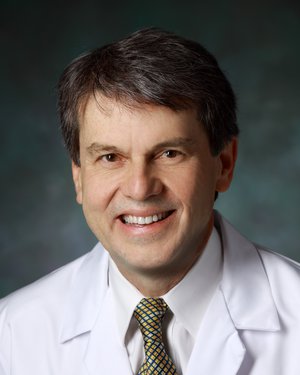
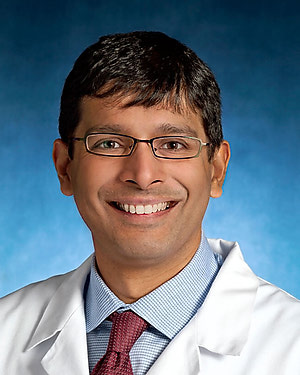
Basic science investigations in the Umapathi Lab focus on understanding how metabolic dysregulation drives heart failure and cardiomyopathy. The laboratory employs patient-derived induced pluripotent stem cell (iPSC) models, transgenic mouse systems, and advanced proteomics to define the molecular mechanisms underlying metabolic heart failure (MetHF), with particular emphasis on O-GlcNAcylation and cardiac energetics in heart failure. Additional research explores the mechanistic basis of contractile dysfunction/arrhythmias in inherited cardiomyopathies, particularly LMNA-related disease, integrating calcium signaling, mechanobiology, and electrophysiology to identify novel therapeutic targets for conduction abnormalities and ventricular arrhythmias.
-
Kathleen Gabrielson Laboratory
Research in the Kathleen Gabrielson Laboratory focuses on the signal transduction of cardiovascular toxicities in vitro, in cardiomyocyte culture and in vivo using rodent models. Specifically, the research focuses on understanding the mechanisms of various cancer therapies that induce cardiac toxicities. Currently, we are testing prevention strategies for these toxicities by studying the cardiac effects of the anthracycline doxorubicin (adriamycin) and the immunotherapeutic agent, Herceptin, anti-erbB2. We are focusing on the signal transduction pathways in the heart that are modulated by anti-erbB2 treatment, which in turn, worsens doxorubicin toxicity. Thus, understanding the mechanisms behind the combined toxicity of doxorubicin and anti-erbB2 will pave the way for the design of strategies to reduce toxicity, identify patients at risk and potentially allow higher levels of this effective combination therapy to be used with an improved long-term survival in patients.
Principal Investigator
Department
-
Lima Lab
The Lima Lab’s research is concentrated on the development and application of imaging and technology to address scientific and clinical problems involving the heart and vascular system. Specifically, our research is focused on developing magnetic resonance imaging (MRI) contrast techniques to investigate microvascular function in patients and experimental animals with myocardial infarction; functional reserve secondary to dobutamine stimulation and myocardial viability assessed by sodium imaging; and cardiac MRI and computed tomography (CT) program development of techniques to characterize atherosclerosis in humans with cardiovascular or cerebrovascular disease. Current projects include: • The Coronary Artery Risk Development in Young Adults (CARDIA) Study • The MESA (Multi-Ethnic Study of Atherosclerosis) Study • The Coronary Artery Evaluation using 64-row Multidetector Computed Tomography Angiography (CORE64) Study Joao Lima, MD, is a professor of medicine, radiology and epidemiology at the Johns Hopkins School of Medicine. -
Interventional Cardiology Research Group
Our group is interested in a broad array of clinical and translational investigations spanning the evaluation of basic pathophysiology in patients undergoing cardiac procedures, development and evaluation of new therapeutic strategies, and improving patient selection and outcomes following interventional procedures. We are comprised of a core group of faculty and dedicated research nurses as well as fellows, residents, and students. Projects range from investigator-initiated single-center observational studies to industry-sponsored multicenter phase 3 randomized controlled trials. We have established a database of all patients who have undergone TAVR at Johns Hopkins, which is providing the basis for several retrospective analyses and will serve as the foundation for future studies of TAVR. We are also engaged in collaborative projects with other groups from the Department of Medicine and other Departments including Cardiac Surgery, Anesthesiology, Radiology, Psychiatry, and Biomedical Engineering. Members of our group are actively involved with the Johns Hopkins Center for Bioengineering Innovation and Design (CBID) in the development of novel minimally-invasive cardiovascular devices.
-
Rahul Koka Lab
Research in the Rahul Koka Lab focuses on pediatric airways, patient safety and health disparities. Recent studies have focused on the relationship between socioeconomic status and perioperative outcomes and patient safety factors related to interoperative cardiac arrests. We also performed effects analyses of the maintenance and repair of anesthetic equipment in various medical environments. -
Reid Thompson Laboratory
Reid Thompson’s research interests include evaluation of ventricular function in patients with muscular dystrophy and Barth syndrome, and in patients who have completed chemotherapy. He also studies novel methods of teaching and diagnosing heart disease through cardiac auscultation.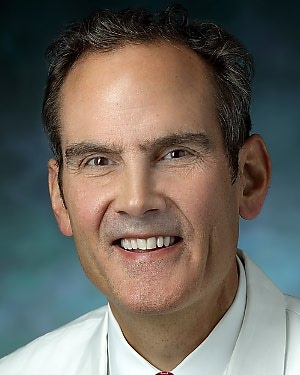
-
Retrovirus Laboratory
Research in the Retrovirus Laboratory focuses on the molecular virology and pathogenesis of lentivirus infections. In particular, we study the simian immunodeficiency virus (SIV) to determine the molecular basis for the development of HIV CNS, pulmonary and cardiac disease. Research projects include studies of viral molecular genetics and host cell genes and proteins involved in the pathogenesis of disease. We are also interested in studies of lentivirus replication in macrophages and astrocytes and their role in the development of disease. These studies have led us to identify the viral genes that are important in neurovirulence of SIV and the development of CNS disease including NEF and the TM portion of ENV. The mechanisms of the action of these proteins in the CNS are complex and are under investigation. We have also developed a rapid, consistent SIV/macaque model in which we can test the ability of various antiviral and neuroprotective agents to reduce the severity of CNS and pulmonary disease.