Research Lab Results
-
Cardiovascular Stem Cell Program
The research program aims to advance cardiovascular biology and medicine by focusing on pluripotent stem cell-based modeling and therapy and by nurturing future leaders in regenerative medicine. -
Nauder Faraday Lab
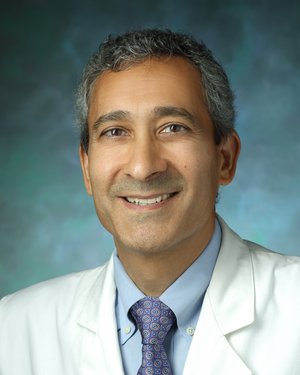
The Nauder Faraday Lab investigates topics within perioperative genetic and molecular medicine. We explore thrombotic, bleeding and infectious surgical complications. Our goal is to uncover the molecular determinants of outcome in surgical patients, which will enable surgeons to better personalize a patient’s care in the perioperative period. Our team is funded by the National Institutes of Health to research platelet phenotypes, the pharmacogenomics of antiplatelet agents for preventing cardiovascular disease, and the genotypic determinants of aspirin response in high-risk families. -
Seth Martin Lab
Dr. Martin's research is focused on rapid generation of new knowledge through clinical studies that can be brought back to the bedside to directly inform the care of patients with advanced lipid disorders and those in need of state-of-the-art comprehensive CV prevention. Members of his lab commit to complete ownership of their project, unwavering pursuit of excellence, and thrive on multidisciplinary teamwork. Active projects include the Very Large Database of Lipids, CASCADE FH Registry, MiCORE (Myocardial infarction, COmbined device, Recovery Enhancement), Google Health Search Trial, and mActive-Smoke. For more information, please visit the Ciccarone Center.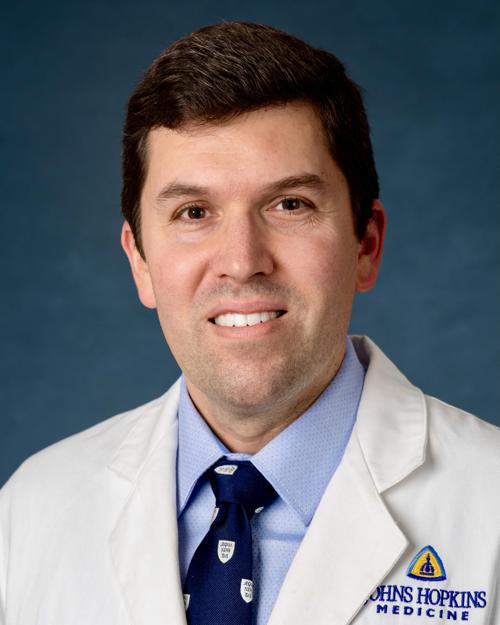
-
Ayse Gurses Lab
Work in the Ayse Gurses Lab examines several topics related to human factors, including methods for improving patient safety in the cardiac operating room, care coordination, transitions of care and compliance of providers with evidence-based guidelines. Our team also has an interest in research that explores the working conditions of nurses. We collaborate on studies related to the development of geriatrics health service delivery at all levels of the health system.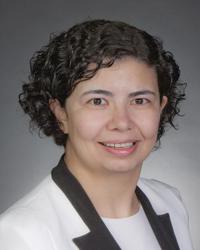
-
Joseph Mankowski Lab
The Joseph Mankowski Lab studies the immunopathogenesis of HIV infection using the SIV/macaque model. Our researchers use a multidisciplinary approach to dissect the mechanism underlying HIV-induced nervous system and cardiac diseases. Additionally, we study the role that host genetics play in HIV-associated cognitive disorders.
Principal Investigator
Department
-
Cammarato Lab
The Cammarato Lab is located in the Division of Cardiology in the Department of Medicine at the Johns Hopkins University School of Medicine. We are interested in basic mechanisms of striated muscle biology. We employ an array of imaging techniques to study “structural physiology” of cardiac and skeletal muscle. Drosophila melanogaster, the fruit fly, expresses both forms of striated muscle and benefits greatly from powerful genetic tools. We investigate conserved myopathic (muscle disease) processes and perform hierarchical and integrative analysis of muscle function from the level of single molecules and macromolecular complexes through the level of the tissue itself. Anthony Ross Cammarato, MD, is an assistant professor of medicine in the Cardiology Department. He studies the identification and manipulation of age- and mutation-dependent modifiers of cardiac function, hierarchical modeling and imaging of contractile machinery, integrative analysis of striated muscle performance and myopathic processes. -
Complex Arrhythmias in Congenital and Acquired Structural Heart Diseases
The Aronis Lab develops and refines catheter-based, surgical, and computational strategies to treat the most complex arrhythmias in patients with congenital and acquired structural heart disease—hearts whose distorted anatomy, surgical scar, and limited vascular access place them beyond the reach of conventional electrophysiology. Our mission is to make ablation and device therapy in these patients safer, more durable, and individualized, and to generate the outcomes evidence this historically understudied population has lacked. The lab integrates clinical research, procedural innovation, advanced imaging, and computational modeling, and works closely with the Johns Hopkins adult congenital heart disease, cardiac surgery, cardiac anesthesiology, and biomedical engineering teams.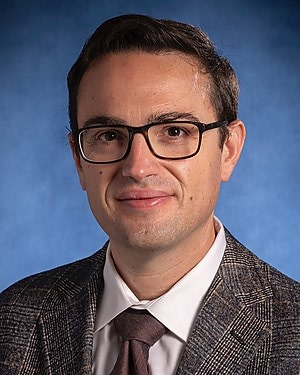
Principal Investigator
-
Elizabeth Hunt Lab
Researchers in the Elizabeth Hunt Lab study innovative ways to improve the care quality and clinical outcomes of children who suffer cardiopulmonary arrest. Our work includes implementing rapid-response systems, capturing and analyzing cardiac-arrest data, and redesigning medical devices and simulators. We've introduced novel simulation approaches to education, including data-driven debriefing and the Rapid Cycle Deliberate Practice approach.
Principal Investigator
Department
-
Zambidis Laboratory
The Zambidis Labratory studies the formation of pluripotent stem cells and the subsequent hematopoietic, endothelial and cardiac differentiation, as well as the potential therapeutic uses of pluripotent stem cell-derived cells.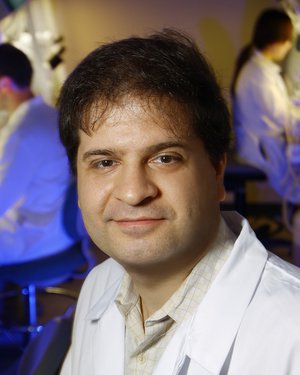
-
Wu Lab
Dr. Wu leads a multi-disciplinary team with collaborators from the Bloomberg School of Public Health, JHU Whiting School of Engineering, and JHU Krieger School of Arts and Sciences. She conducts ongoing investigations with the Multicenter AIDS Cohort Study and Women’s Inter-agency Health Study. Her lab’s goals are to develop, implement, and validate novel imaging-based metrics of cardiac structure and function to improve risk prediction and stratification at the individual patient-level. Research Focuses: Predictors of Sudden Cardiac Death by Magnetic Resonance Imaging Subclinical myocardial disease in people living with HIV Individualized risk prediction Cardiac structural and mechanical modeling