Research Lab Results
-
Redonda Miller Lab
Research in the Redonda Miller Lab is focused on women’s health, including osteoporosis and menopause, and medical education. We're also interested in physician practice issues.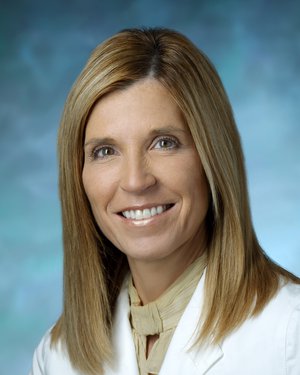
-
Rachel Damico Lab
Work in the Rachel Damico Lab explores topics within the fields of vascular biology and pulmonary medicine, with a focus on acute lung injury and apoptosis in lung diseases. Our studies have included examining idiopathic and scleroderma-associated pulmonary arterial hypertension, vascular receptor autoantibodies, and the link between inflammation and the Warburg phenomenon in patients with pulmonary arterial hypertension. We have also researched the inhibitory factor of macrophage migration and its governing of endothelial cell sensitivity to LPS-induced apoptosis. -
Reid Thompson Laboratory
Reid Thompson’s research interests include evaluation of ventricular function in patients with muscular dystrophy and Barth syndrome, and in patients who have completed chemotherapy. He also studies novel methods of teaching and diagnosing heart disease through cardiac auscultation.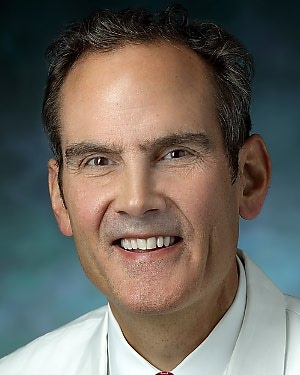
-
Retrovirus Laboratory
Research in the Retrovirus Laboratory focuses on the molecular virology and pathogenesis of lentivirus infections. In particular, we study the simian immunodeficiency virus (SIV) to determine the molecular basis for the development of HIV CNS, pulmonary and cardiac disease. Research projects include studies of viral molecular genetics and host cell genes and proteins involved in the pathogenesis of disease. We are also interested in studies of lentivirus replication in macrophages and astrocytes and their role in the development of disease. These studies have led us to identify the viral genes that are important in neurovirulence of SIV and the development of CNS disease including NEF and the TM portion of ENV. The mechanisms of the action of these proteins in the CNS are complex and are under investigation. We have also developed a rapid, consistent SIV/macaque model in which we can test the ability of various antiviral and neuroprotective agents to reduce the severity of CNS and pulmonary disease. -
Richard John Jones Lab
The Richard J. Jones Lab studies normal and cancerous stem cells in order to make clinical improvements in areas such as blood and marrow transplantation (BMT). We discovered one of the most common stem-cell markers, Aldefluor, which identifies cells based on their expression of aldehyde dehydrogenase 1 (ALDH1), and have used this marker to detect and characterize normal stem cells and cancer stem cells from many hematologic malignancies. We also developed post-transplant cyclophosphamide and effective related haploidentical BMT.
-
Alex Kolodkin Laboratory
Research in the Alex Kolodkin Laboratory is focused on understanding how neuronal connectivity is established during development. Our work investigates the function of extrinsic guidance cues and their receptors on axonal guidance, dendritic morphology and synapse formation and function. We have investigated how neural circuits are formed and maintained through the action of guidance cues that include semaphorin proteins, their classical plexin and neuropilin receptors, and also novel receptors. We employ a cross-phylogenetic approach, using both invertebrate and vertebrate model systems, to understand how guidance cues regulate neuronal pathfinding, morphology and synaptogenesis. We also seek to understand how these signals are transduced to cytosolic effectors. Though broad in scope, our interrogation of the roles played by semaphorin guidance cues provides insight into the regulation of neural circuit assembly and function. Our current work includes a relatively new interest in understanding the origins of laminar organization in the central nervous system. -
Gabsang Lee Lab
Human induced pluripotent stem cells (hiPSCs) provide unprecedented opportunities for cell replacement approaches, disease modeling and drug discovery in a patient-specific manner. The Gabsang Lee Lab focuses on the neural crest lineage and skeletal muscle tissue, in terms of their fate-determination processes as well as relevant genetic disorders. Previously, we studied a human genetic disorder (familial dysautonomia, or FD) with hiPSCs and found that FD-specific neural crest cells have low levels of genes needed to make autonomous neurons--the ones needed for the ""fight-or-flight"" response. In an effort to discover novel drugs, we performed high-throughput screening with a compound library using FD patient-derived neural crest cells. We recently established a direct conversion methodology, turning patient fibroblasts into ""induced neural crest (iNC)"" that also exhibit disease-related phenotypes, just as the FD-hiPSC-derived neural crest. We're extending our research to the neural crest's neighboring cells, somite. Using multiple genetic reporter systems, we identified sufficient cues for directing hiPSCs into somite stage, followed by skeletal muscle lineages. This novel approach can straightforwardly apply to muscular dystrophies, resulting in expandable myoblasts in a patient-specific manner. -
Nae-Yuh Wang Lab
The Nae-Yuh Wang Lab concentrates on a wide range of multicenter studies and randomized controlled trials. Recent studies have focused on pediatric cochlear implantation and longitudinal data analysis. One recent study found that partnering with primary care providers to deliver weight loss programs may promote greater participant satisfaction and weight loss. Another active study is assessing the effectiveness of promising interventions to reduce race disparities in live donor kidney transplantation.
-
Alzheimer's Disease Research Center
The goal of the Johns Hopkins Alzheimer's Disease Research Center (ADRC) is to accelerate the discovery of new treatments that are directed at the basic mechanisms of disease, and to hasten the time when effective treatments for AD and related disorders become a reality. We have a strong commitment to basic research regarding the underlying mechanisms of Alzheimer's Disease and related disorders, and how this may translate into effective treatment. We perform clinical research seeking to identify medications to delay or treat the symptoms of dementia. We also provided many educational programs for family members and professionals.